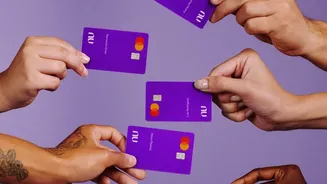







The New Face of Credit: Gen Z Takes Charge
The profile of a first-time credit card user in India is getting younger and more widespread. According to a 2026 report from TransUnion CIBIL, half of all new-to-credit-card consumers are now from Gen Z, aged 30 or below. This is a significant jump from just
a few years ago. Furthermore, the growth isn't just confined to metros; nearly half of these new users come from semi-urban and rural areas. Interestingly, for many young people, a credit card is no longer their first interaction with formal credit. Many already have experience with consumer durable loans or small-ticket personal loans before they get their first card, indicating a greater comfort with borrowing compared to previous generations.
UPI for Chores, Credit Cards for Goals
Unified Payments Interface (UPI) has fundamentally changed the game for small, everyday payments. Its convenience has made it the default choice for everything from chai to groceries, a space once occupied by cash and, to some extent, credit cards. This has led to a fascinating split in payment behaviour. While UPI dominates small-ticket, high-frequency transactions, credit cards are increasingly being reserved for larger, more strategic spending. This includes e-commerce purchases, which account for over 60% of credit card spending by value, as well as travel bookings and converting big purchases into EMIs. Recent data from the Reserve Bank of India shows overall credit card spending remains robust, consistently crossing the ₹2 lakh crore mark monthly in 2026, even as the average ticket size per swipe has decreased.
From Owning Things to Living Experiences
A major driver of credit card spending among young Indians is a cultural shift towards valuing experiences over possessions. Travel, in particular, has become a significant category for credit card expenditure. Young consumers are increasingly comfortable financing their travel plans with credit, using cards to book flights and hotels, often taking advantage of no-cost EMI options to manage the expense over time. This trend is amplified by a boom in both domestic and international travel. A 2023 study found that 95% of Indian travellers plan to use credit cards on international trips, drawn by benefits like better foreign exchange rates, rewards, and security.
Choosing the Right Card is More Important Than Ever
In response to these trends, the credit card market itself has become highly specialized. Gone are the days of one-size-fits-all cards. Today, issuers offer a wide array of co-branded and niche credit cards tailored to specific spending habits. There are cards designed for frequent flyers, offering lounge access and air miles. Others provide accelerated rewards on online shopping, fuel purchases, or even grocery bills. For young users, this means the first step is to analyze your own spending. A card that offers great travel perks is useless if you rarely leave your city. Conversely, a simple cashback card might be perfect for someone whose primary spends are on everyday essentials and online subscriptions. Many young professionals are now strategically holding multiple cards to maximize savings across different categories.
Navigating the New Landscape Wisely
This new era of credit offers immense flexibility, but it also comes with risks. The rise of 'Buy Now, Pay Later' (BNPL) services offers another line of instant credit, which can be tempting but also lead to debt if not managed carefully. To thrive, young users must practice financial discipline. This means paying your bill in full and on time to avoid high-interest charges and a negative impact on your credit score. It's also crucial to track your spending across different platforms—UPI, credit cards, and BNPL—to ensure you're living within your means. Using credit as a tool for convenience and rewards is smart; letting it become a source of stress and debt is a trap to be avoided at all costs. Building a strong credit history early on will open doors to better financial products in the future.