



Why Smog Irritates Your Throat
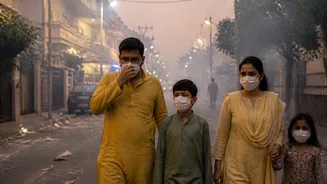
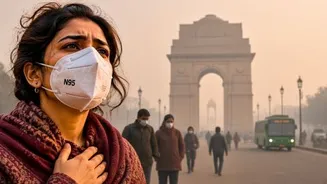
The hazy air during smog season is filled with a harmful mix of pollutants, including tiny particulate matter (PM2.5), nitrogen oxides, and ground-level ozone. When you breathe this air, these irritants land on the sensitive lining of your throat and airways.
This triggers an inflammatory response from your body, much like an allergic reaction, leading to dryness, redness, swelling, and that all-too-familiar sore feeling. The pollutants can also dry out the mucous membranes, making your throat feel scratchy and prompting a persistent cough as your body tries to clear the foreign particles.
First Line of Defence: Soothing Home Remedies
For mild, pollution-induced sore throats, several simple home remedies can provide significant relief by hydrating tissues and reducing inflammation. A time-tested solution is a warm salt-water gargle, which can be done two to three times a day. The salt helps draw excess fluid from swollen throat tissues, reducing pain and clearing irritants. Adding a pinch of turmeric to the gargle can also help, as its active compound, curcumin, has natural anti-inflammatory properties. Staying well-hydrated is also crucial; sipping warm water, herbal teas with ginger and honey, or traditional 'kadha' preparations with tulsi and black pepper keeps the throat moist and can help thin mucus.
Comforting Drinks and Steam Therapy
A warm glass of turmeric milk, or 'haldi doodh', before bed is a classic Indian remedy for a reason. Turmeric’s anti-inflammatory power, combined with the soothing warmth of milk, can ease throat pain and promote rest. Adding honey to teas or taking a spoonful directly can also be beneficial, as it coats the throat and has natural antibacterial properties. However, honey should not be given to children under one year old. Another effective method is steam inhalation. Leaning over a bowl of hot water with a towel over your head for 5-10 minutes helps moisten the airways and loosen congestion. Adding a few drops of eucalyptus oil can further help open up clogged passages.
Lifestyle Adjustments to Minimise Exposure
While remedies can soothe symptoms, reducing your exposure to pollutants is the most effective strategy. On days with high Air Quality Index (AQI) readings, try to limit your time outdoors, especially avoiding strenuous exercise like running or cycling. When you do need to go out, wearing a well-fitting N95 or FFP2 mask can filter out a significant amount of harmful PM2.5 particles. Indoors, using an air purifier can dramatically improve air quality. Keeping windows and doors closed during peak pollution hours also helps prevent smog from entering your home.
Red Flags: When to See a Doctor
Home care is suitable for mild irritation, but it's vital to recognise when a sore throat signals a more serious issue. You should seek medical assessment if your sore throat lasts for more than a week without improvement. Other warning signs include a high fever (over 101°F), severe pain that makes it difficult to swallow or speak, or seeing white patches or pus on your tonsils. If your sore throat is accompanied by a rash, swollen and tender glands in your neck, joint pain, or difficulty breathing, it is essential to consult a doctor immediately. These symptoms could indicate a bacterial infection like strep throat or another underlying condition that requires specific medical treatment.