






From Ancient Kitchens to Modern Mugs
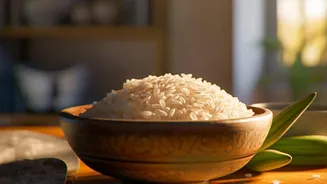
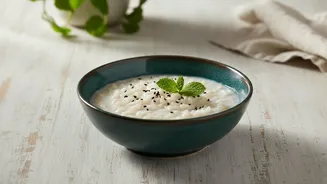
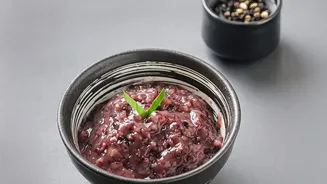
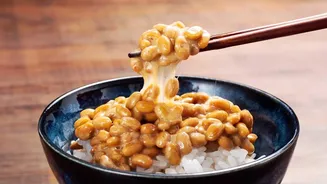
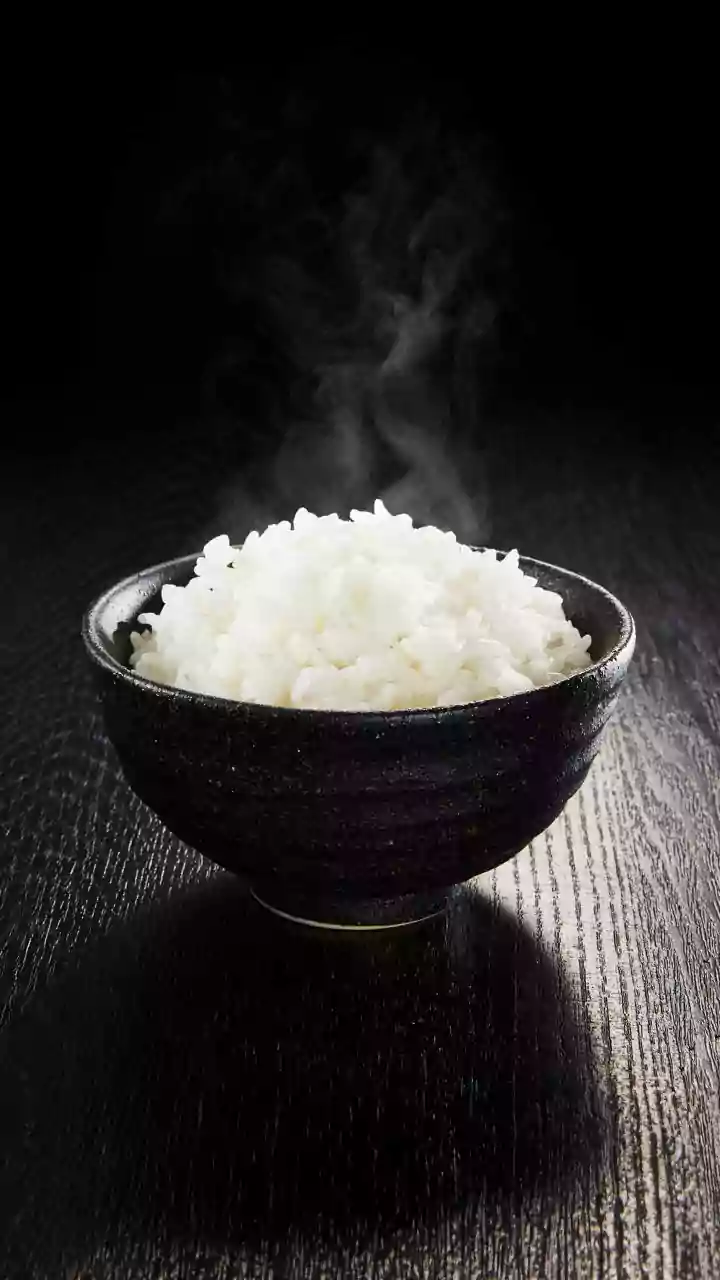
Known by many names across India—including Pazhanthanji, Pazhaya Soru, and Panta Bhat—this dish is rooted in practicality and tradition. At its core, it's cooked rice submerged in water and left to sit overnight at room temperature. This simple act of
soaking initiates a natural fermentation process. For generations, this was a zero-waste solution to preserve leftovers before refrigeration, providing a cooling, hydrating, and energy-sustaining breakfast for farmers and laborers ahead of a long day in the hot sun. Typically, it's served cold, often mixed with additions like yogurt, chopped shallots, green chilies, or pickles, turning a simple grain into a flavorful and balanced meal.
The Science of Souring
That overnight soak does more than just soften the rice; it transforms it. The process of fermentation allows beneficial bacteria, like Lactobacillus, to proliferate. These are the same types of probiotics found in yogurt and kefir that are celebrated for their role in supporting a healthy gut microbiome. Fermentation also does two other remarkable things. First, it breaks down components in the rice, making it easier to digest and reducing issues like bloating. Second, it can dramatically increase the bioavailability of micronutrients. The lactic acid produced during fermentation helps break down "anti-nutrients" like phytic acid, which can otherwise block the body's absorption of minerals. As a result, the body can more easily access minerals like iron, calcium, and potassium locked within the rice.
A Gut Check for Your Fitness Goals
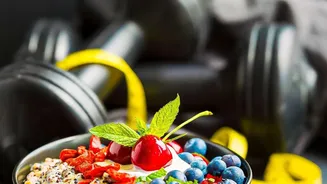
The fitness community's interest in fermented foods is no coincidence. A healthy gut is increasingly seen as the foundation of overall wellness, impacting everything from digestion and immunity to mood. For anyone focused on physical performance, these benefits are critical. The probiotics in fermented rice help maintain a balanced gut flora, which can improve nutrient absorption, reduce inflammation, and support a strong immune system—all essential for consistent training and recovery. The B vitamins, including B6 and B12, that become more abundant through fermentation are crucial for energy production. This makes a bowl of fermented rice a source of steady, easily digestible energy, unlike heavy, fatty breakfasts that can leave you feeling sluggish.
More Than Just a Trend
While dishes like Pazhanthanji are finding new appreciation in the U.S., they are part of a larger, global tradition of using fermentation to enhance food. From kimchi in Korea to sauerkraut in Germany and kombucha everywhere, cultures have long understood how to harness microbial power for flavor and health. The renewed interest in these ancient practices isn't just about finding the next novel health hack. It reflects a growing desire for simple, natural, and sustainable approaches to nutrition. It’s a return to the idea that some of the most powerful wellness tools don't come in a bottle but have been passed down in kitchens for centuries. These foods remind us that tradition and science often tell the same story.