



Decoding the 'Chilled Remainder'
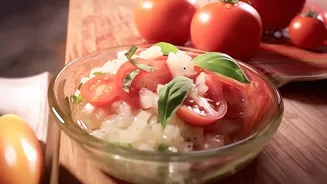
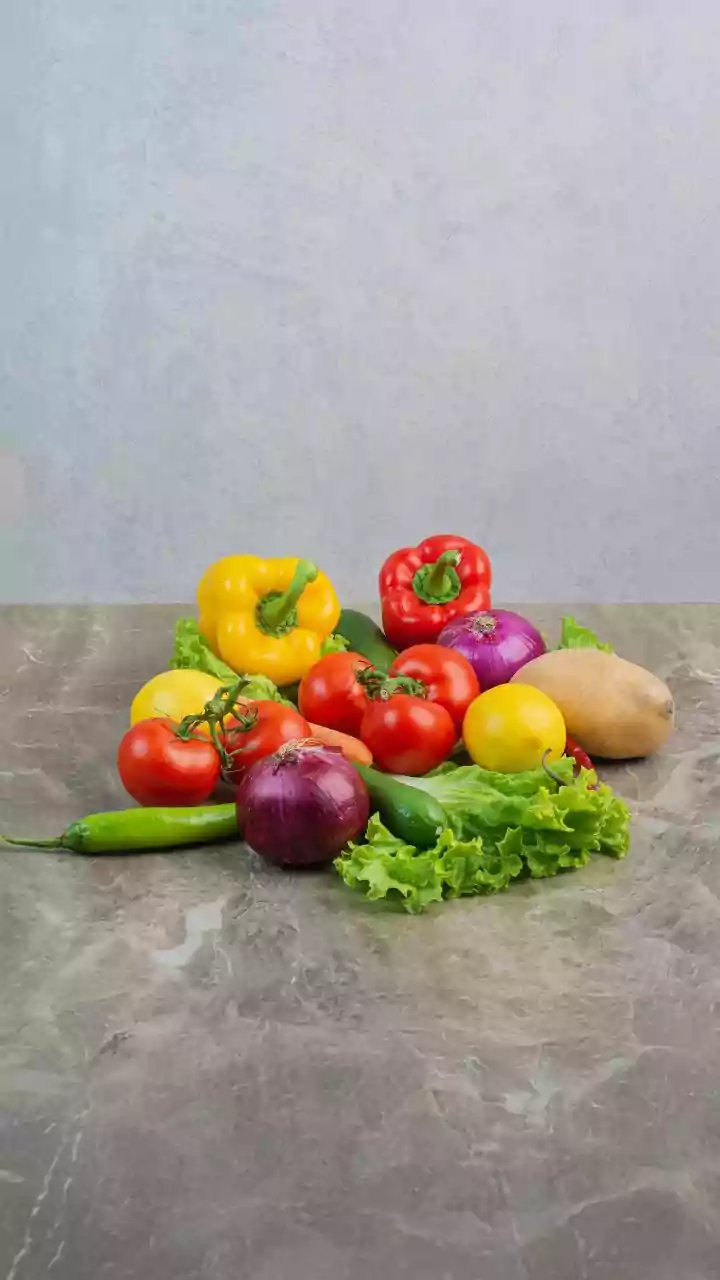
In the context of an Indian meal, the 'chilled remainder' refers to any component of your meal that is meant to be served cold or at room temperature. This includes items like kachumber salad, fresh coriander or mint chutney, and, most commonly, yoghurt-based
raita. When you store a complete meal—curry, rice, and raita all on one plate—the cold components become the chilled remainder. While storing them together is convenient, reheating them together is a mistake that compromises both food quality and safety.
The Science of the Temperature Danger Zone
The core reason to separate these items lies in what food safety experts call the 'Temperature Danger Zone'. According to the Food Safety and Standards Authority of India (FSSAI) and global health bodies, this zone is roughly between 5°C and 60°C. Within this temperature range, harmful bacteria like Salmonella and E. coli can multiply rapidly, sometimes doubling in number in as little as 20 minutes. When you microwave a whole plate, the hot food gets hotter, but the cold items, like raita, often warm up slowly, lingering in this danger zone. This creates an ideal breeding ground for bacteria, increasing the risk of foodborne illness.
More Than Just a Quality Issue
Nobody enjoys a warm, watery, and slightly curdled raita or a sad, wilted salad next to their hot biryani. Heating these items destroys their intended texture and flavour, turning a refreshing contrast into a mushy disappointment. But beyond the unpleasant taste, there's a genuine health risk. Yoghurt and fresh vegetables are susceptible to bacterial growth. Gently warming them in the microwave is not enough to kill potential pathogens but is the perfect temperature to encourage their growth. To be safe, food must be reheated thoroughly to an internal temperature of at least 74-75°C, which would completely ruin any chilled accompaniment.
The Correct Way to Reheat: A Simple Guide
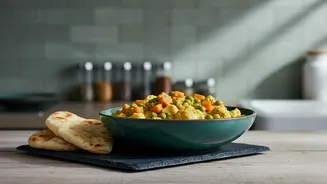
The solution is simple and only adds a few seconds to your routine. First, separate your meal components before storage if possible, using different containers. If you’ve stored them on a single plate, take a moment to scoop off the chilled items—the raita, salad, or chutney—onto a separate dish before you begin reheating. Heat only the part of the meal that is meant to be eaten hot, like the curry, sabzi, or rice. Ensure it is steaming hot throughout, reaching that safe internal temperature of 75°C. Once the hot food is properly reheated, you can then recombine it with the fresh, chilled remainder on your plate. This method ensures your hot food is safe and your cold food remains crisp, cool, and delicious.
Smart Tips for Meal Prep and Tiffins
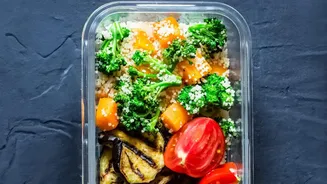
This principle is especially important for those who pack tiffins for work or school. When packing a lunch that includes, for instance, parathas with a side of yoghurt, use a container with separate compartments. This physical barrier prevents the yoghurt from warming up with the rest of the food during the day and makes reheating much simpler and safer. Many modern lunch boxes are designed for this purpose. If you don't have one, simply pack your raita or salad in a small, separate, airtight container. This preserves the integrity of your meal and minimises health risks associated with food being kept at unsafe temperatures for hours. Food safety guidelines recommend that cooked food should not be left at room temperature for more than two hours.