





The Psychology of Cosiness
Before you add a single item to your space, it helps to understand what 'warmth' really means in a design context. Psychologically, human brains are wired to associate warmth with safety, care, and comfort. A cosy space taps into this by providing sensory
cues that calm the nervous system. It's not about the monetary value or quantity of your belongings, but how the elements in your room make you feel. A room filled with clutter, no matter how expensive, can create stress. In contrast, a carefully curated space with intentional textures and lighting can feel like a sanctuary. The goal is to move beyond just decorating and start designing an environment that nurtures well-being.
Mastering Light for Mood
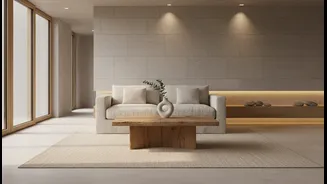
Lighting is one of the most powerful and often overlooked tools for creating atmosphere. Harsh, cool overhead lighting can make any room feel sterile and uninviting. The secret is to layer multiple light sources to create a soft, ambient glow. Start by swapping out bright white bulbs for those with a warm colour temperature, typically between 2700K and 3000K. Instead of relying on a single ceiling fixture, use a combination of table lamps, floor lamps, and perhaps wall sconces to create pools of light throughout the room. This layered approach adds depth and visual interest. Installing dimmer switches is another game-changing and relatively simple upgrade that allows you to adjust the brightness to suit the time of day and mood. This control lets you transition a room from bright and functional during the day to intimate and relaxing in the evening.
The Power of Natural Materials
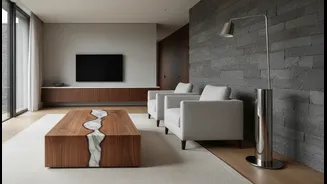
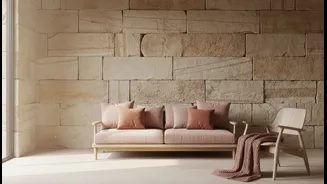
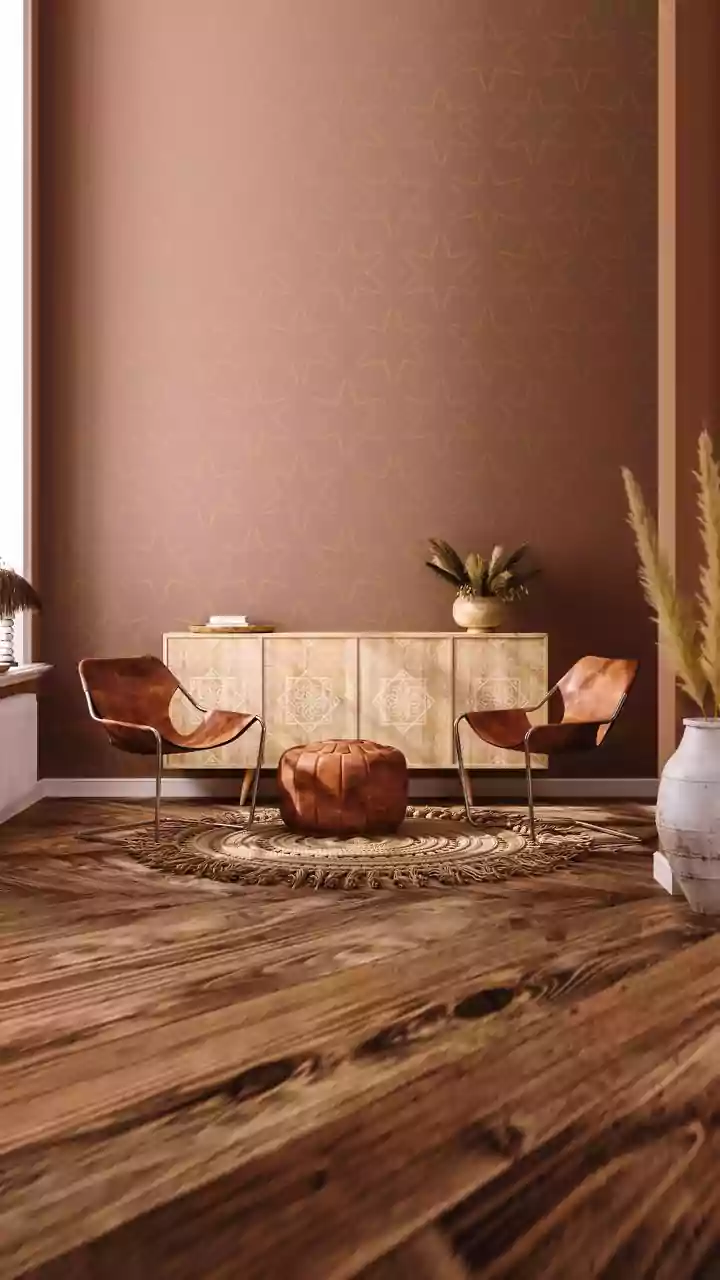
The materials you choose have a profound impact on the warmth of a room. Natural elements like wood, stone, wool, and linen have an innate texture and character that manufactured materials often lack. Wood, in particular, is strongly associated with warmth; its grain and colour can set a comforting tone for an entire space. You can incorporate it not just in furniture and flooring but also through smaller accents like bowls, trays, or picture frames. Don't be afraid to mix different woods, as the contrast can add richness. Similarly, the rustic texture of stone or terracotta can ground a space, making it feel secure and timeless. These materials connect us to the natural world, which has a calming effect on our psyche.
Layering Textures for Depth
Texture is warmth you can feel—and see. A room with only smooth, flat surfaces will always feel colder than one with a variety of textures. Layering different textiles is the easiest way to introduce this tactile comfort. Think about chunky knit throws draped over a sofa, velvet or linen cushions, and a plush rug underfoot. The combination of different fabric weights and weaves, like a soft wool blanket against a smooth leather chair, creates a rich, sensory experience. This isn't just about soft furnishings. You can find texture in woven baskets, ribbed ceramic vases, or even live plants, whose organic shapes soften hard lines in a room.
Curate, Don't Collect
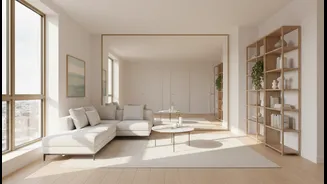
This brings us to the second part of the headline: not simply adding more things. Cosiness and minimalism are not mutually exclusive; the concept of 'cosy minimalism' is about intentional selection. Rather than filling surfaces with numerous small objects, choose fewer, more meaningful pieces. A home that tells your story through personal mementos, art that you love, or family photos will always feel warmer than one decorated with generic, mass-produced items. Clutter is the enemy of a peaceful environment. By being selective, you allow each object to have its own space to breathe, increasing its impact and contributing to an overall sense of harmony and calm. True warmth is curated, not bought in bulk.