


Beyond Rote Learning
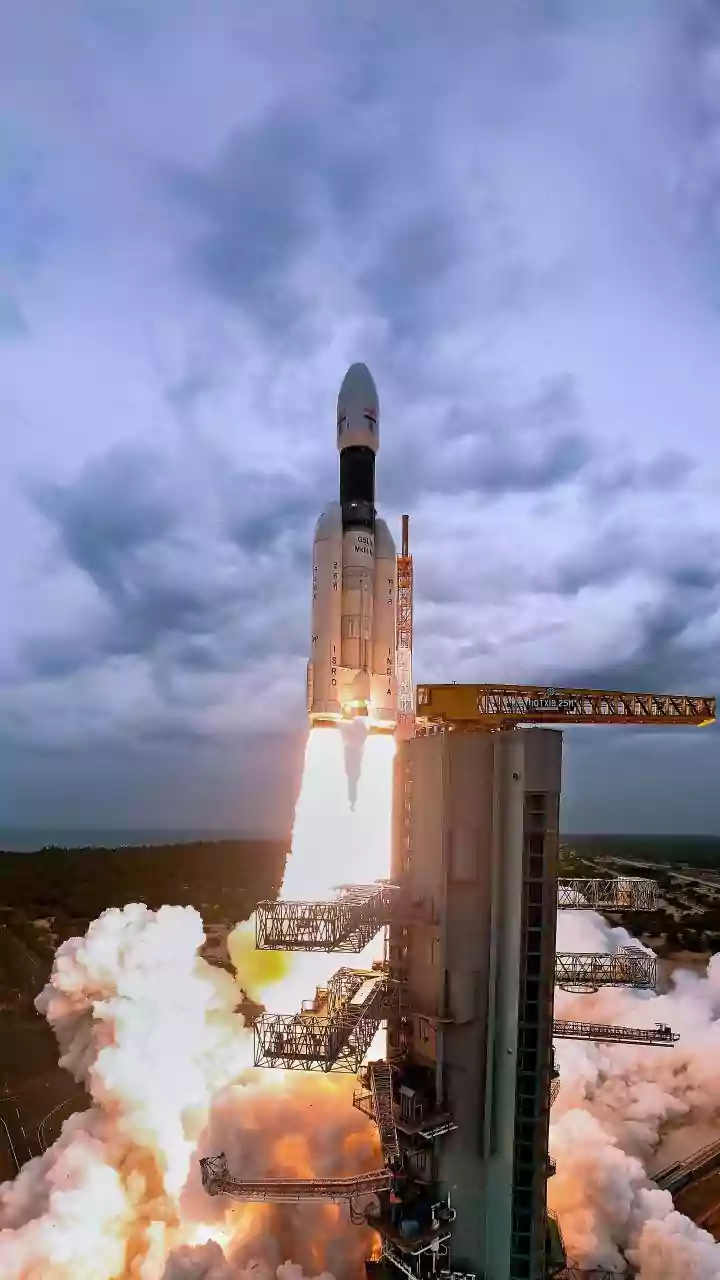
The traditional Indian education system, with its heavy emphasis on textbook knowledge and exam performance, has produced brilliant minds. However, in fields like space science and technology, theory alone is insufficient. The complexities of launching
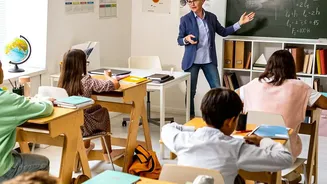
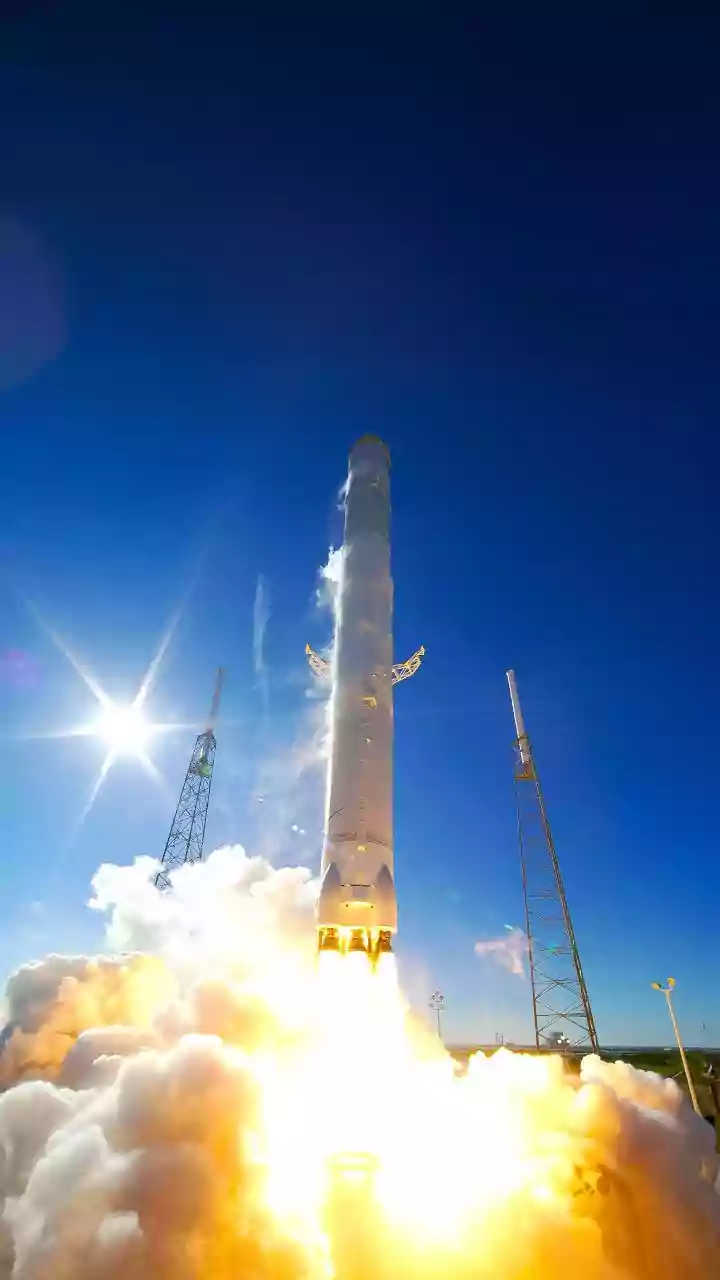
a rocket or operating a satellite cannot be fully grasped from a printed page. True understanding comes from doing, from applying principles in the real world, and even from failing. Hands-on learning in Science, Technology, Engineering, and Mathematics (STEM) fosters critical thinking, problem-solving, and creativity in ways that rote memorisation cannot. It shifts the focus from merely knowing facts to understanding how to use them. This is the gap that ISRO's student-focused initiatives are designed to fill.
An Invitation to Innovate
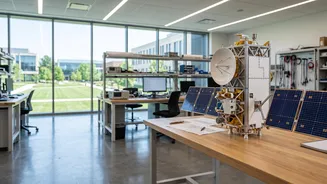
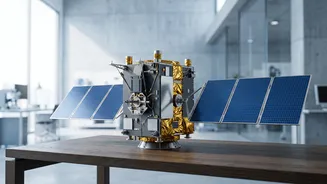
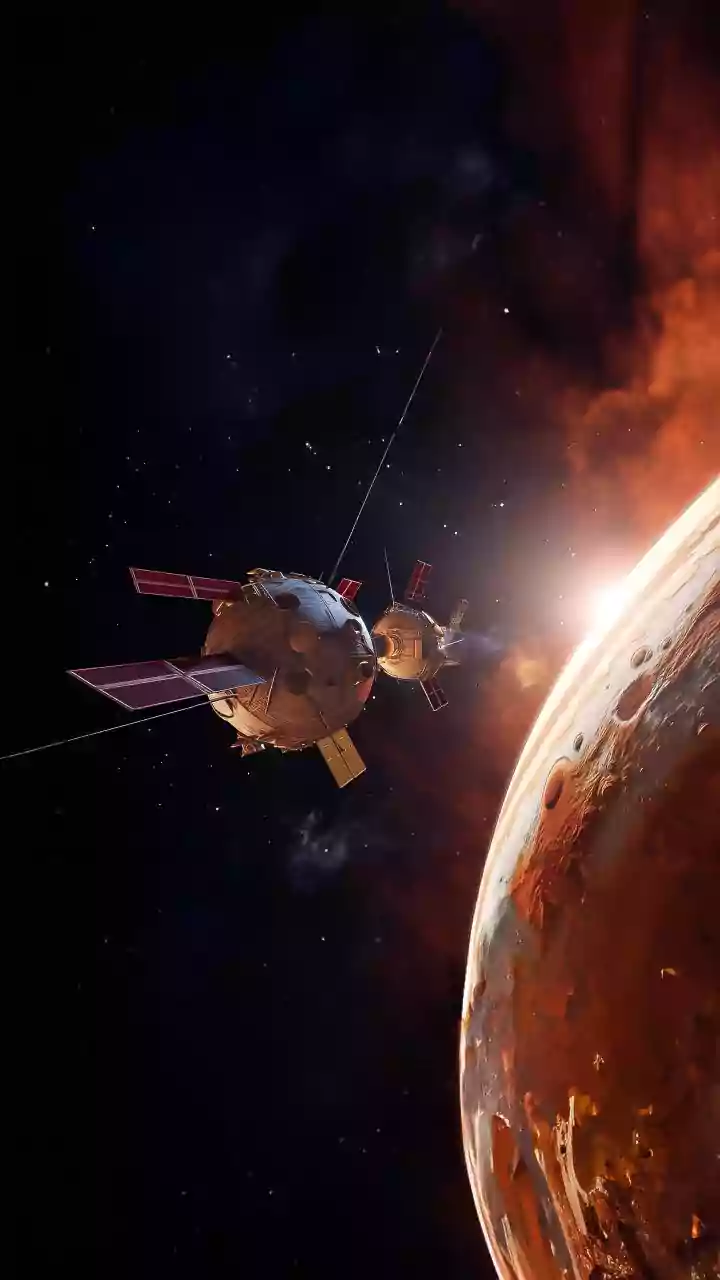
ISRO has actively opened its doors to the nation's youth through several key programmes aimed at 'catching them young'. The most prominent among these is YUVIKA (YUva VIgyani KAryakram), or the Young Scientist Programme. This two-week residential programme immerses school students in the world of space science, giving them a foundational knowledge of space technology and its applications. Participants interact with senior scientists, get hands-on experience with activities like DIY satellite kits, and witness rocket launches. Beyond YUVIKA, ISRO encourages universities to design and build their own satellites, offering guidance, testing facilities, and launch opportunities. These projects, such as IIT Bombay's 'Pratham' satellite and the student-led KalamSat, provide unparalleled practical experience in the entire lifecycle of a space mission.
The Crucial Lesson of Failure
One of the most profound lessons from space exploration is the role of failure in achieving success. Every ISRO mission is the culmination of years of work, involving countless tests, simulations, and course corrections. When students participate in building a satellite, they learn this firsthand. A component might not work, a calculation may be off, or a launch could be unsuccessful, as was the case with the first AzaadiSAT. These setbacks, however, are not endpoints. They are valuable data points that teach resilience, adaptability, and the importance of meticulous troubleshooting. Chandrayaan-3 project director P. Veeramuthuvel himself has advised students not to be discouraged by failures but to use them as stepping stones. This mindset—learning from what went wrong to make it right—is a critical life skill that textbooks rarely impart.
Collaboration is Key
Space missions are never solo efforts; they are massive collaborative endeavours. Student satellite projects mirror this reality on a smaller scale. To build, test, and launch a satellite, students must work in teams, bringing together diverse skills in engineering, programming, and project management. They learn to communicate complex ideas, resolve disagreements, and work towards a shared, high-stakes goal. The AzaadiSAT-2, for instance, was the combined effort of about 750 girl students from across India, guided by the organization Space Kidz India. This experience of teamwork and shared ownership is invaluable, preparing them for future careers in any complex, project-driven field.
Building a Nation's Future
ISRO's commitment to students is more than just an educational outreach; it is a strategic investment in the nation's future. By inspiring curiosity and providing practical skills, these programmes are building a pipeline of future scientists, engineers, and innovators. The success of missions like Chandrayaan has already sparked immense interest among students across the country. By giving them a direct pathway to participate, ISRO ensures that this enthusiasm is channelled into tangible skills and a deep-seated passion for science. These young minds will not only power India's future space ambitions, like the Gaganyaan mission, but will also contribute to national development by applying space-based technologies to solve problems on Earth.