



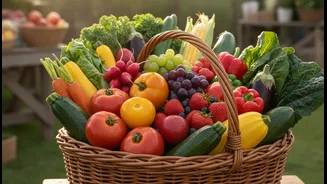
What is a Regional Produce Calendar?
At its core, a regional produce calendar is a simple but powerful tool: a guide that tells you which fruits and vegetables are being harvested in your specific area at any given time of year. For generations, this knowledge was second nature in Indian
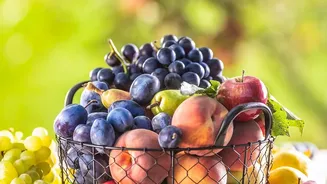
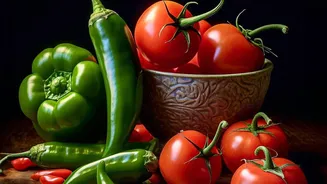
households, a wisdom passed down that aligned kitchens with the land. Summer meant cooling watermelons and mangoes; the monsoon brought corn and gourds; and winter was for nutrient-dense leafy greens like sarson and root vegetables like carrots. Today, as supermarkets offer the same few vegetables year-round, we’ve lost this connection. A formal calendar aims to restore it, making it easy to see, for example, that buying strawberries in December might mean they are less tasty and have travelled a long way, whereas local gooseberries (amla) are at their peak.
Why a Simple List Is Not Enough
Here's the critical point: a calendar that just lists 'bottle gourd' for June or 'spinach' for December is a tool for agriculturists, not for the everyday person. For a regional produce calendar to truly change how we eat, it must be designed for consumers. It must bridge the gap between knowing a vegetable is in season and knowing what to do with it. The real value isn't just in the 'what,' but in the 'how.' This is where the focus on regional snacks and packed meals becomes essential. This approach transforms the calendar from a passive document into an active, inspiring guide that integrates seamlessly into daily life, resonating with the 'Vocal for Local' initiative that encourages celebrating regional ingredients.
The Power of Snacks and Meals
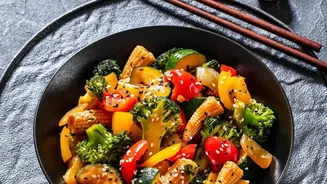
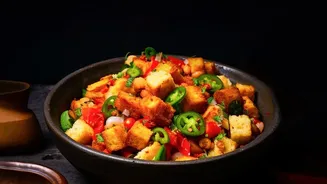
Think about the monsoon. The craving for hot, crispy snacks is universal. A smart produce calendar would not just list 'corn' and 'gram flour' as seasonal. It would actively suggest 'bhutta' (roasted corn on the cob) and 'pakoras'. Similarly, for winter, instead of just listing 'carrots', it could feature 'gajar ka halwa' or a simple carrot and pea sabzi perfect for a packed lunch. By linking produce to beloved, culturally relevant dishes, the calendar becomes immediately practical. It helps you plan your meals, your tiffins, and even your evening snacks around what is freshest, cheapest, and most delicious. This practical application is what turns good intention into a daily habit, making seasonal eating an effortless and enjoyable part of your routine.
A Boost for Health, Budgets, and Local Farmers
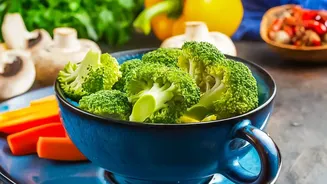
When produce is in season, it's at its nutritional peak, offering more vitamins and minerals than its out-of-season counterparts that are often harvested early and transported long distances. This also means it's more abundant, which naturally brings down prices, making healthy eating more affordable. Buying local and seasonal produce directly supports the farmers and vendors in your community, strengthening the local economy. Furthermore, it carries a smaller carbon footprint, as the food doesn't need extensive transportation or cold storage. This trifecta of benefits—for your health, your wallet, and the environment—is a powerful reason to embrace this way of eating. Recent government initiatives to support farmer-producer organizations and reduce post-harvest losses also align perfectly with this consumer-led movement.
Making It a Reality in Your Kitchen
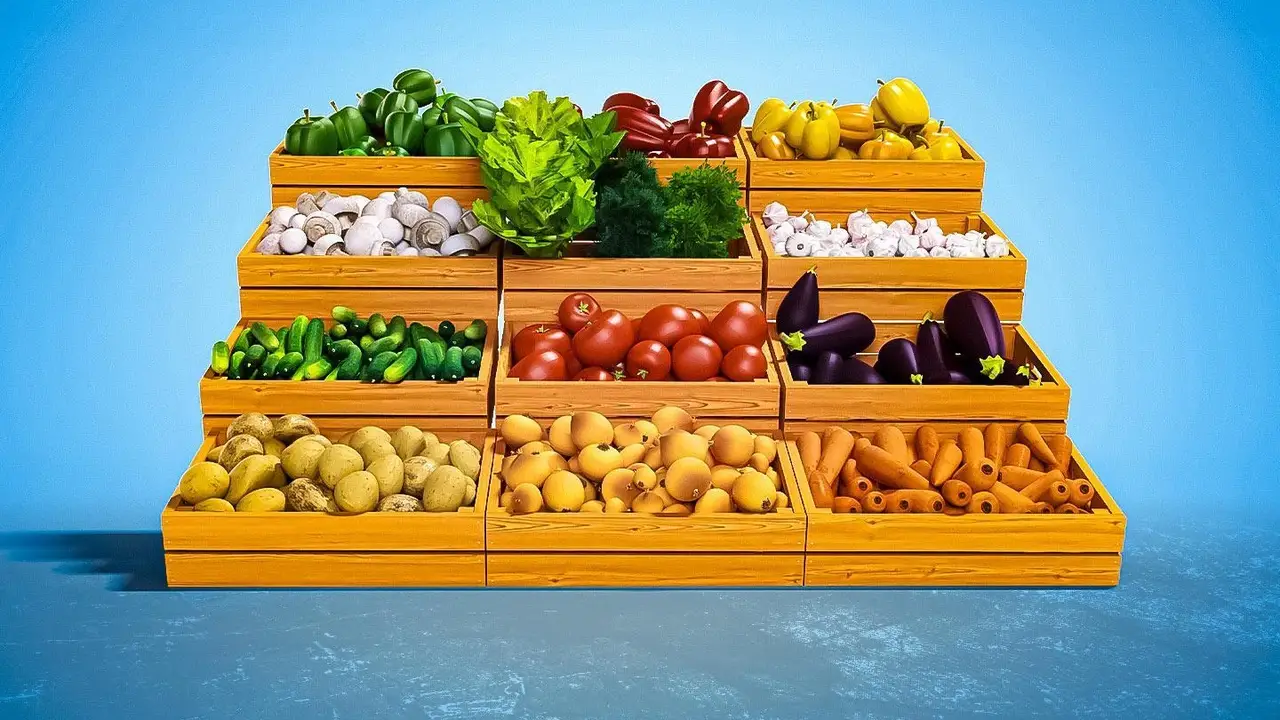
While we wait for official, user-friendly regional calendars, you can start applying these principles today. Pay attention at your local vegetable market. See what vendors have in abundance—that's usually what's in season. Ask them where the produce comes from. A simple conversation can tell you a lot. Plan your weekly meals around one or two seasonal vegetables. If sweet potatoes are flooding the market in winter, look up recipes for sweet potato chaat or simple baked wedges. If raw mangoes are available in the summer, try making a fresh chutney or adding them to your dal. By consciously choosing to cook and eat with the seasons, you're not just reviving a healthy tradition; you're making a statement with your plate, supporting a more sustainable and flavourful food system for everyone.