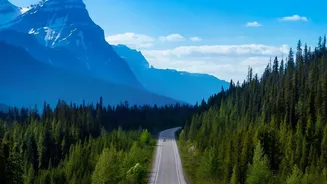

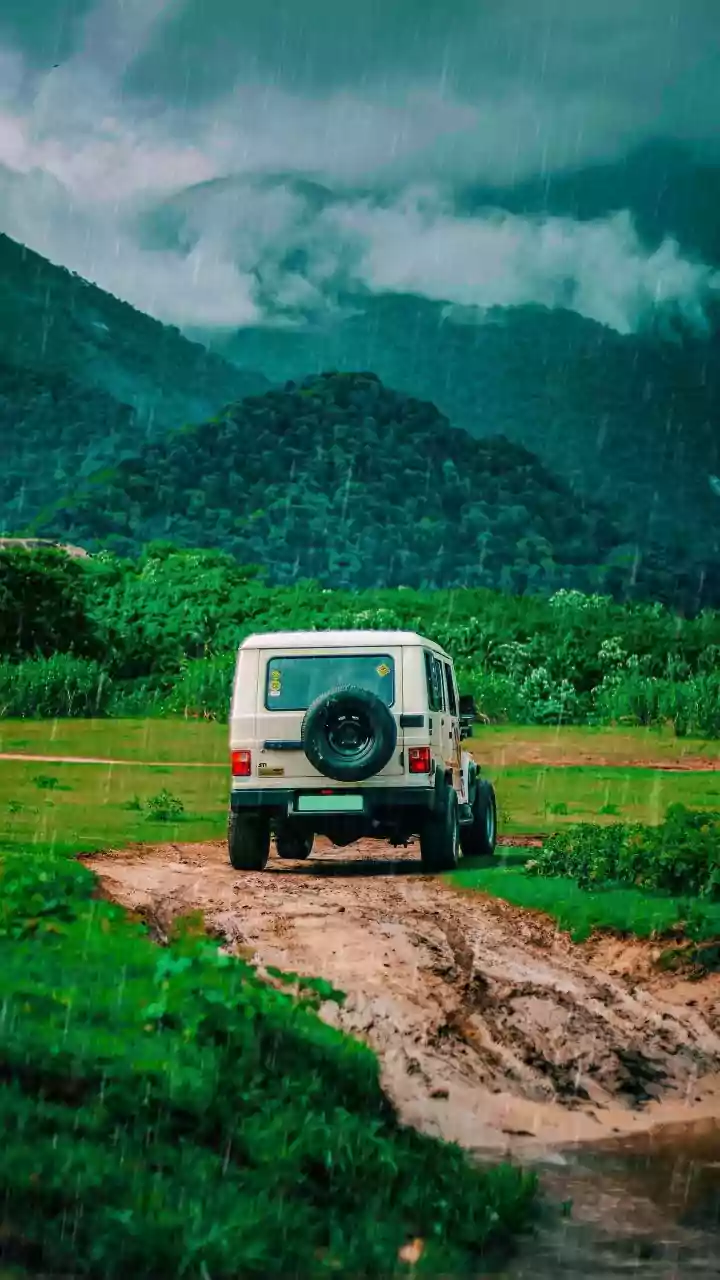



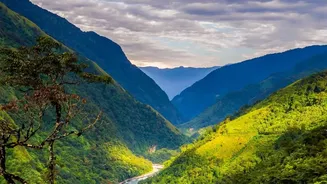

More Than Just A Pandemic Fad
While the pandemic certainly accelerated the trend by making personal vehicles a bubble of safety, the love for road travel has only deepened since. The initial necessity has blossomed into a preferred way of travel. Domestic tourism has seen a massive
surge, with travellers showing a growing interest in hinterland destinations, heritage trails, and wellness retreats that are often best accessed by car. This is not a temporary blip; it's a fundamental change in travel priorities, with a 2025 report noting a 71% share for trips under two days, pointing to a boom in weekend getaways by road. Even longer journeys are on the rise, driven by remote work culture. This sustained momentum indicates that the open road now represents freedom and flexibility, not just safety.
The Road Itself Is Now a Destination
A key driver of this massive shift is India's rapidly improving infrastructure. In the last decade, India's national highway network has expanded by about 60%, making road travel faster, safer, and more convenient than ever before. New expressways and upgraded highways are reducing travel times dramatically, transforming what were once arduous journeys into pleasant drives. For instance, the Atal Tunnel has cut the Manali-Leh journey by four hours, opening up new tourism opportunities in the Lahaul and Spiti region. This infrastructure boom means that previously remote destinations are now within reach for a weekend trip, fueling the growth of tourism in Tier-2 and Tier-3 cities and beyond.
A New Generation of Travellers
The mindset of the modern Indian traveller, particularly millennials and Gen Z, aligns perfectly with the ethos of a road trip. These generations prioritize experiences over possessions and seek authenticity, spontaneity, and connection. A road trip offers the ultimate flexible itinerary, allowing for unplanned detours to hidden gems and local eateries. Data shows that travellers aged 18-25 (Gen Z) are a significant force, accounting for 31% of trips in 2025, up from 22% the previous year. This demographic favors solo journeys, offbeat locations, and the independence that comes with being behind the wheel, viewing travel as an investment in memories.
The Growing Support Ecosystem
The travel industry has been quick to adapt to and facilitate this trend. The self-drive car rental market in India is booming, expected to be a ₹5,000 crore market in 2026 with consistent annual growth. Companies are expanding their fleets, including more SUVs to cater to the rising demand for group and family travel, and even introducing EVs. Simultaneously, the homestay sector has seen exponential growth. Travellers are increasingly choosing homestays over hotels for a more personal, localized experience, with a 2024 survey finding 73% of Indian travellers prefer accommodation with a local connection. This symbiotic relationship between accessible transport and authentic stays makes road-tripping easier and more appealing than ever.
The Allure of Freedom and Control
Ultimately, the shift towards road trips is deeply rooted in a desire for autonomy. In an era of workplace burnout and digital fatigue, the road offers a therapeutic escape. It gives travellers complete control over their pace, schedule, and environment. You can decide when to stop for chai, which scenic viewpoint to linger at, and what music to play. This sense of freedom is incomparable. For families, it means travelling comfortably with children and even pets. For solo travellers, it's a chance to disconnect and reflect. As improved roads connect more of the country and a new generation seeks authentic experiences, the steering wheel is becoming the ultimate tool for discovery in modern India.