

The Monsoon's Arrival
There is a poetry to the Indian monsoon that touches all the senses. It’s the smell of petrichor, the cool breeze offering respite from the oppressive heat, and the rhythmic drumming of rain. And with this sensory shift comes a near-instinctive desire
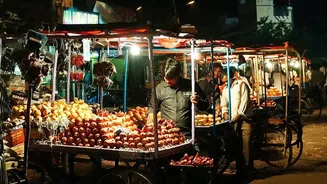
for certain comfort foods. While chai and pakoras are perennial favourites, the undisputed king of the rainy-day street snack is the bhutta. As the clouds gather, street corners and roadside turnouts across the country come alive with vendors, their small carts glowing with hot coals, ready to serve this seasonal delight. It's a ritual that transcends state boundaries, from the bustling streets of Mumbai and Delhi to the misty hill stations of Himachal Pradesh.
The Theatre of the Bhutta-Walla
Getting a bhutta is not just a transaction; it's a performance. The bhutta-walla, often a figure of permanence on their designated corner, presides over a simple yet captivating setup. A small, hand-cranked fan breathes life into glowing embers, which hiss and pop as the corn is placed on the grill. The vendor masterfully turns the cobs, ensuring each kernel is kissed by the flame, resulting in a perfect char. The air fills with a smoky, sweet fragrance that is impossible to resist. Once roasted to perfection, the final act begins: the seasoning. A half-cut lemon is dipped into a signature blend of spices—typically salt, red chilli powder, and chaat masala—and then vigorously rubbed all over the hot cob, infusing every bite with a burst of flavour.
A Symphony of Simple Flavours
The magic of bhutta lies in its simplicity. It’s a harmonious clash of tastes and textures. The sweetness of the corn, heightened by the roasting process, is perfectly balanced by the smoky char from the coals. Then comes the zesty, tangy punch of the lemon juice, followed by the savoury and spicy kick of the masala mix. Every bite is a journey from sweet to smoky to tangy to spicy. While the classic bhuna bhutta (roasted corn) rules the streets, some also enjoy the boiled or steamed versions, which offer a softer, juicier texture, often tossed with butter and spices. But it is the coal-roasted version that holds the deepest nostalgic value, its flavour intrinsically linked to the open air and the drizzling rain.
More Than Just a Snack
To call bhutta just a snack would be to miss the point entirely. It is a vessel for memory. It’s the taste of childhood, of long drives with the windows down, of sheltering from a downpour with friends, and of simple, unhurried moments of joy. The act of eating it—biting directly into the cob, getting your hands messy with masala—is a tactile experience that connects you to the present moment. It is an affordable and accessible treat, enjoyed by people from all walks of life, making it a great equaliser in the diverse landscape of Indian street food. In a rapidly changing world, the consistency of this seasonal ritual offers a comforting sense of continuity, bringing generations together over a shared love for this humble cob.
A Humble and Healthy Harvest
Part of the bhutta’s seamless integration into monsoon culture is its seasonality. Corn is naturally harvested during these months, meaning the cobs sold on the street are often at their freshest and most flavourful. This makes it a healthier alternative to many other fried street foods that are also popular during the rains. Roasted rather than deep-fried, bhutta is rich in fibre and essential vitamins, making it a relatively guilt-free indulgence. This combination of being a fresh, seasonal, and healthy option only adds to its widespread appeal when cravings for a warm, savoury snack strike on a cool, rainy day.