



Why Monsoon Increases Gut-Related Risks
The magic of the monsoon comes with a hidden challenge: high humidity. This dampness, combined with warmer temperatures, creates an ideal environment for bacteria, viruses, and parasites to thrive. Water sources can become contaminated with runoff and sewage,
leading to a spike in illnesses like gastroenteritis, cholera, and typhoid. Food spoils much faster. A dish that is perfectly safe in the dry season can become a health risk within hours when humidity is high. This is why digestive issues, from bloating to severe food poisoning, become much more common during the rainy months.
Hydrate Smartly and Safely
Water is a primary carrier of infections during the monsoon. Never assume tap water is safe. The simplest rule is to drink only boiled or properly filtered water. When buying bottled water, ensure the seal is intact. It’s also wise to avoid ice in drinks at restaurants and street stalls, as it's often made from untreated water. Instead, opt for warm beverages. Herbal teas with ginger, tulsi, or mint not only provide safe hydration but also have properties that can help soothe the digestive system and boost immunity. Carry your own water bottle when you go out to avoid any risks.
Handle Vegetables with Extra Care
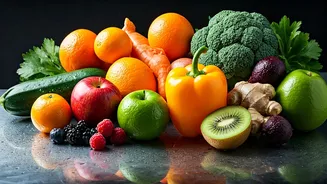
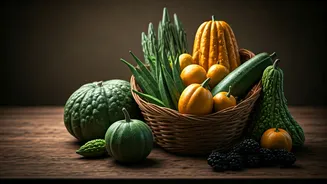
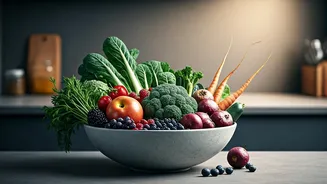
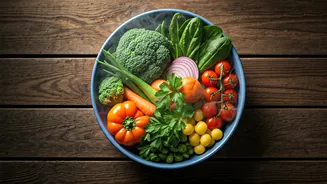
Leafy greens like spinach and cabbage are a major point of concern. They grow close to the muddy ground and their leaves can easily trap dirt and germs, making them a breeding ground for pathogens. Many experts advise limiting or even avoiding them during this season, especially in raw form like salads. If you do consume them, wash them meticulously, perhaps with salt water or a vinegar solution, and cook them thoroughly. Blanching greens in hot, salted water for 30 seconds is another effective safety measure. Safer alternatives include vegetables that grow on vines, such as lauki (bottle gourd), parwal (pointed gourd), and karela (bitter gourd), as they have less contact with contaminated soil.
The Street Food Dilemma
The craving for hot pakoras and chaat is almost universal during a downpour, but street food is the riskiest category. The primary danger comes from contaminated water used in chutneys and the 'pani' for pani puri. High humidity also means pre-cut vegetables and other ingredients spoil rapidly. If you must indulge, choose wisely. Opt for items that are prepared fresh in front of you and served piping hot, like roasted bhutta (corn on the cob) or freshly fried samosas. Avoid anything with raw chutneys, pre-cut fruit salads, or local ice golas. A vendor with a clean station and visible hand-washing practices is a better choice.
Embrace Light, Home-Cooked Meals
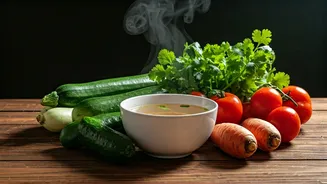
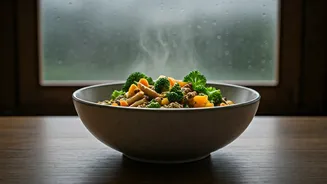
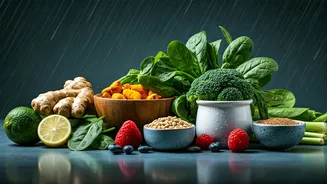
The humid weather can make our digestive system sluggish. This is not the season for heavy, oily, and fried foods, which can lead to bloating and indigestion. Instead, favour light and easily digestible meals. Think steamed, grilled, or boiled preparations. Soups are an excellent choice as they are nourishing and hydrating. Incorporating immunity-boosting spices and herbs like turmeric, ginger, garlic, and black pepper into your cooking is a fantastic way to naturally protect yourself. These ingredients have antimicrobial properties that help fight off common monsoon ailments.
Be Cautious with Meat and Seafood
The risk of spoilage is extremely high for meat and seafood during the monsoon due to the humidity. This is also the breeding season for many fish, which can affect their quality. If you choose to eat meat or seafood, ensure it is purchased from a clean, reputable source and is absolutely fresh. Cook it thoroughly until it reaches a safe internal temperature immediately after buying it. Avoid consuming raw or undercooked preparations. Storing meat properly in the coldest part of the refrigerator and consuming it the same day is the safest practice.
Boost Gut Health with Probiotics
A healthy gut microbiome is your first line of defence. Probiotics, which are beneficial bacteria, help maintain this balance. Including probiotic-rich foods in your diet is an excellent strategy during the monsoon. Freshly made curd (yogurt) and buttermilk (chaas) are fantastic, easily available sources. They aid digestion and help keep harmful bacteria in check. Consuming a bowl of curd with your lunch can be a simple yet effective way to support your gut health throughout the rainy season.