





A New Space Race, Powered by Private Players
The Indian space industry is undergoing a monumental shift. Thanks to government initiatives like the establishment of the Indian National Space Promotion and Authorisation Centre (IN-SPACe), the sector has been thrown open to private enterprise. Today,
over 400 startups are actively building everything from rockets to satellite constellations. Companies like Skyroot Aerospace, which launched India's first private rocket, and Agnikul Cosmos, known for its 3D-printed rocket engines, are leading the charge in launch vehicle technology. In the satellite domain, players like Pixxel are building constellations for earth imaging, while Dhruva Space offers satellite platforms. This explosive growth means one thing: a massive demand for skilled talent across a wide spectrum of roles.
Launch Vehicle and Propulsion Engineering
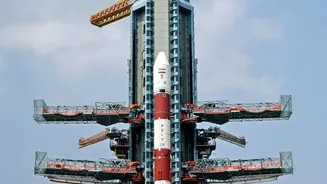
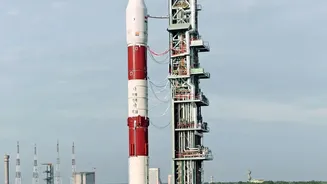
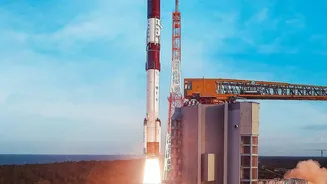
At the heart of the space race are the rockets that carry satellites into orbit. This is the domain of core engineering disciplines. Companies building launch vehicles are constantly seeking mechanical, aerospace, and propulsion engineers. These roles involve designing the rocket's structure, developing powerful engines (both cryogenic and solid-fueled), and ensuring every component can withstand the extreme forces of a launch. Specific roles include propulsion engineers, structural design engineers, and guidance, navigation, and control (GNC) systems specialists who ensure the rocket flies its intended path. If you have a background in mechanical or aerospace engineering and a passion for building complex machines, this is your launchpad.
Satellite Systems and Payload Development
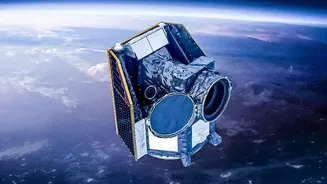
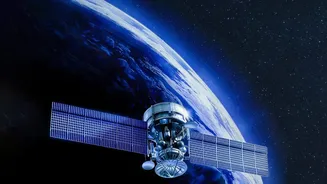
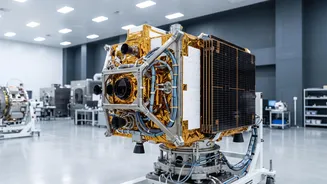
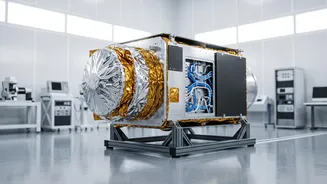
Once in orbit, the satellite is the star of the show. This has created a huge demand for satellite systems engineers who act as architects, integrating various subsystems like power, communication, and thermal control into a single functioning spacecraft. Dhruva Space, for instance, builds modular satellite platforms for various applications. Equally important are payload engineers, who design the instruments the satellite carries, such as cameras or sensors. Pixxel, for example, specialises in hyperspectral imaging payloads that can monitor agriculture and climate change. Careers in this area require expertise in electronics, thermal engineering, and Attitude and Orbit Control Systems (AOCS).
Software, Data, and Artificial Intelligence
Modern space exploration runs on code. This is perhaps the fastest-growing job segment in the industry. Aerospace software engineers are needed to write the flight software that controls rockets and satellites, often using languages like C++ and Python. Furthermore, the constellations of satellites being launched are generating petabytes of data about our planet. This has created a booming demand for satellite data analysts, remote sensing experts, and GIS specialists. These professionals use machine learning and AI to translate raw satellite imagery into actionable insights for sectors like agriculture, disaster management, and urban planning. Companies like SatSure are prominent in this data analytics space.
Avionics and Electronics Engineering
Avionics are the 'brains and nervous system' of any spacecraft. This field is critical for ensuring that all electronic systems on a rocket or satellite function flawlessly. Professionals in avionics work on guidance and navigation computers, communication systems for sending and receiving data from Earth, and the complex wiring that connects everything. Key roles include avionics engineers, embedded systems developers, and RF (radio frequency) engineers who specialise in communication technology. As spacecraft become more autonomous and complex, the demand for electronics specialists who can design robust, radiation-hardened systems continues to grow.
Beyond Engineering: The Business of Space
You don't need to be a rocket scientist to join the space industry. As hundreds of startups mature into full-fledged businesses, they need a host of professionals to help them grow and operate. Business development managers are needed to find new customers for satellite launches and data services. Marketing and communication specialists are required to tell the company's story. Finance and legal experts, including those specialising in the nascent field of space law, are essential for securing funding and navigating complex regulations. Operations managers and human resources professionals are also critical to building a sustainable and successful company. These roles offer an exciting entry point for those with business, arts, or humanities backgrounds.