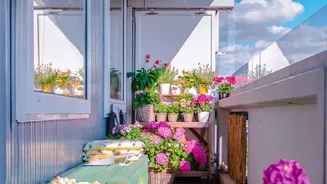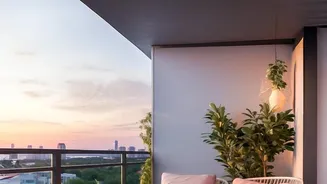


That small, unused balcony doesn't have to be a forgotten space. Imagine stepping out to snip fresh, fragrant herbs for your chai or curry. A vertical garden is the key to transforming even the tiniest balcony into a lush and productive oasis.
The Urban Gardener’s Dream
In cities
where space is a premium, growing upwards is the smartest solution. A vertical garden allows you to stack plants, maximising your growing area without cluttering the floor. The primary benefit is access to incredibly fresh produce. Herbs harvested just moments before use offer a flavour and nutritional punch that store-bought alternatives simply can't match. Beyond the culinary perks, these green walls bring life and beauty to concrete spaces, creating a personal retreat. The act of gardening itself is a known stress-reducer, offering a gentle, rewarding activity that connects you with nature. Furthermore, growing your own herbs gives you complete control over the process, ensuring they are free from harmful pesticides.
Choosing Your Green Champions
The key to a successful balcony garden in India is choosing herbs that thrive in pots and suit the climate. Start with essentials from the Indian kitchen. Tulsi (Holy Basil) is a must-have, known for both its culinary and medicinal properties, and it grows well in containers with good sunlight. Pudina (Mint) is another easy choice; it grows rapidly and is perfect for chutneys and drinks, though it's best kept in its own pot to prevent it from taking over. Dhania (Coriander) and Kadi Patta (Curry Leaves) are also fantastic options for a sunny balcony, ensuring you always have fresh flavourings on hand. For those who enjoy global cuisines, Italian basil and rosemary are also hardy choices that adapt well. Assess your balcony’s sunlight – most herbs need at least four to six hours of sun daily.
Smart Setups for Small Spaces
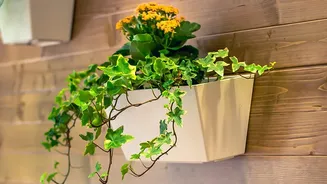
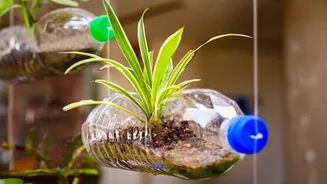
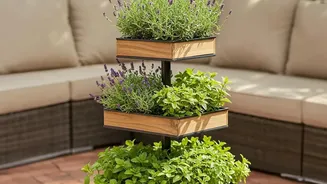
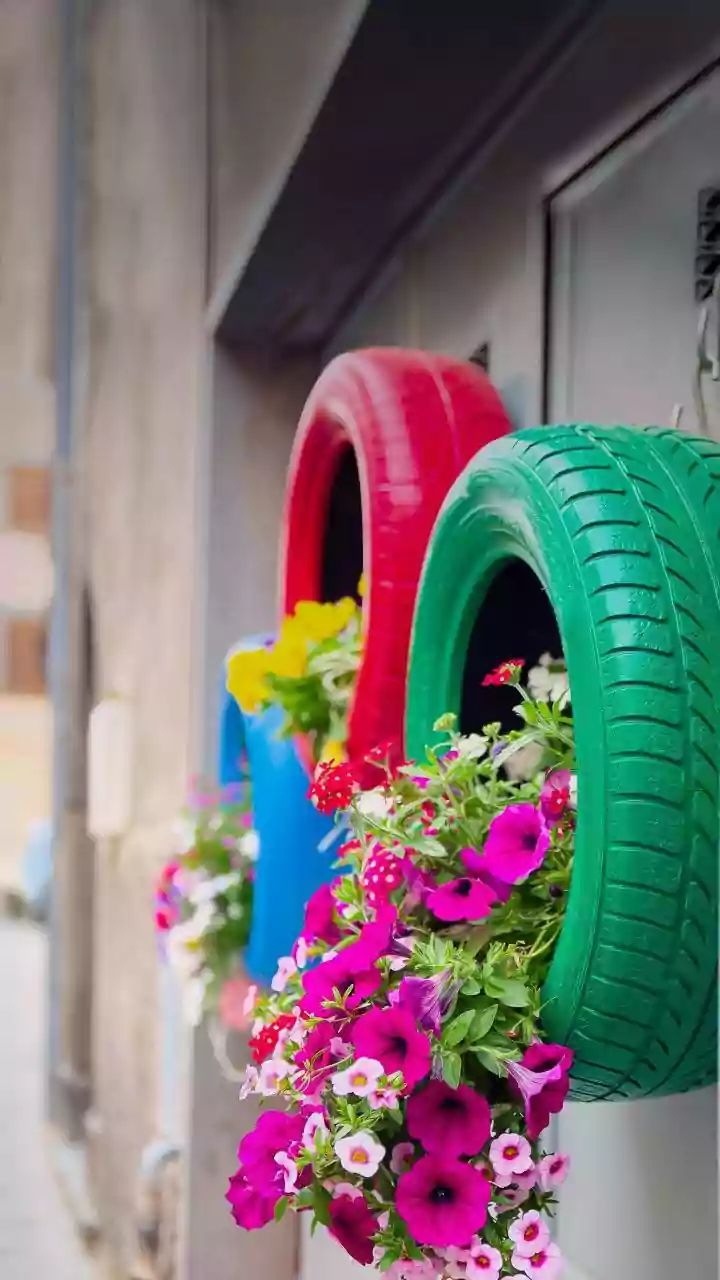
You don’t need a fancy or expensive system to get started. Vertical gardening can be as simple or as elaborate as you wish. Stackable planters are a popular and straightforward choice, allowing you to grow multiple plants in the footprint of a single pot. Another effective method is using railing planters, which clip directly onto your balcony grille and make use of existing structures. For a DIY approach, wall-mounted pocket planters, often made of fabric, are excellent for individual herbs. You can even get creative by repurposing materials like plastic bottles or old tins to create a unique and budget-friendly setup. The goal is to find a system that fits your space, budget, and aesthetic, turning a bare wall into a living pantry.
A Simple Start-Up Guide
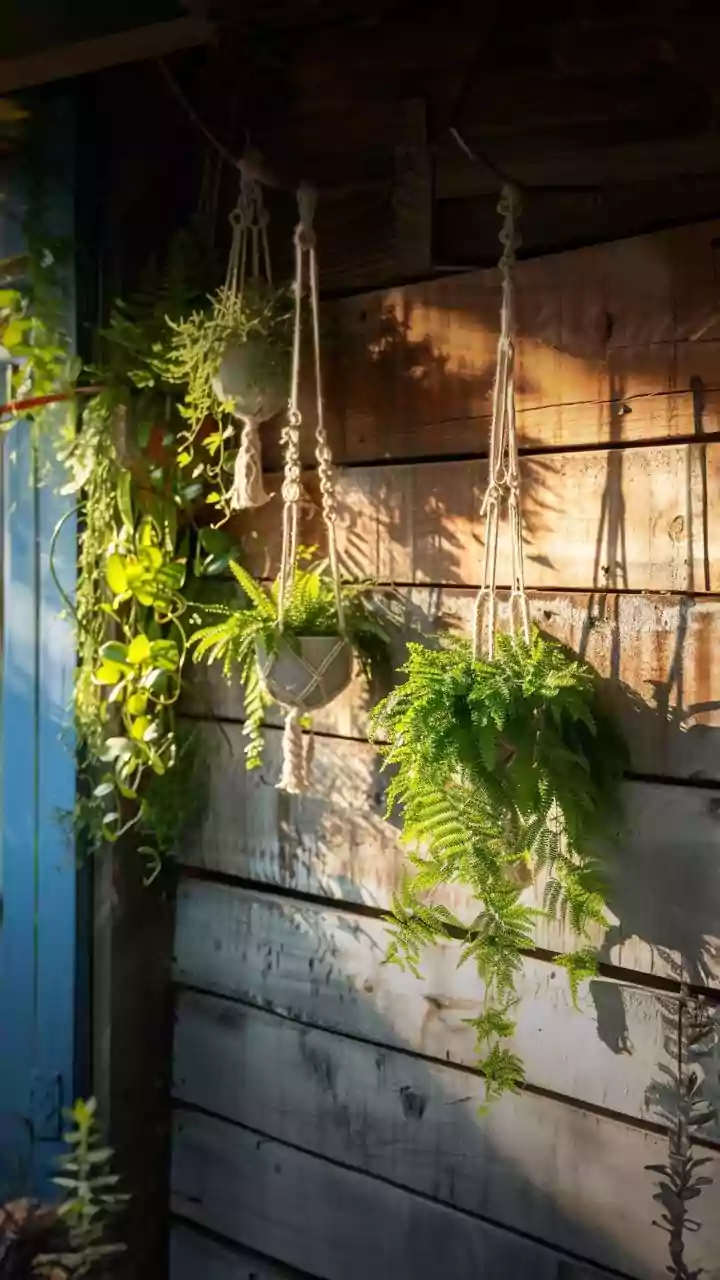
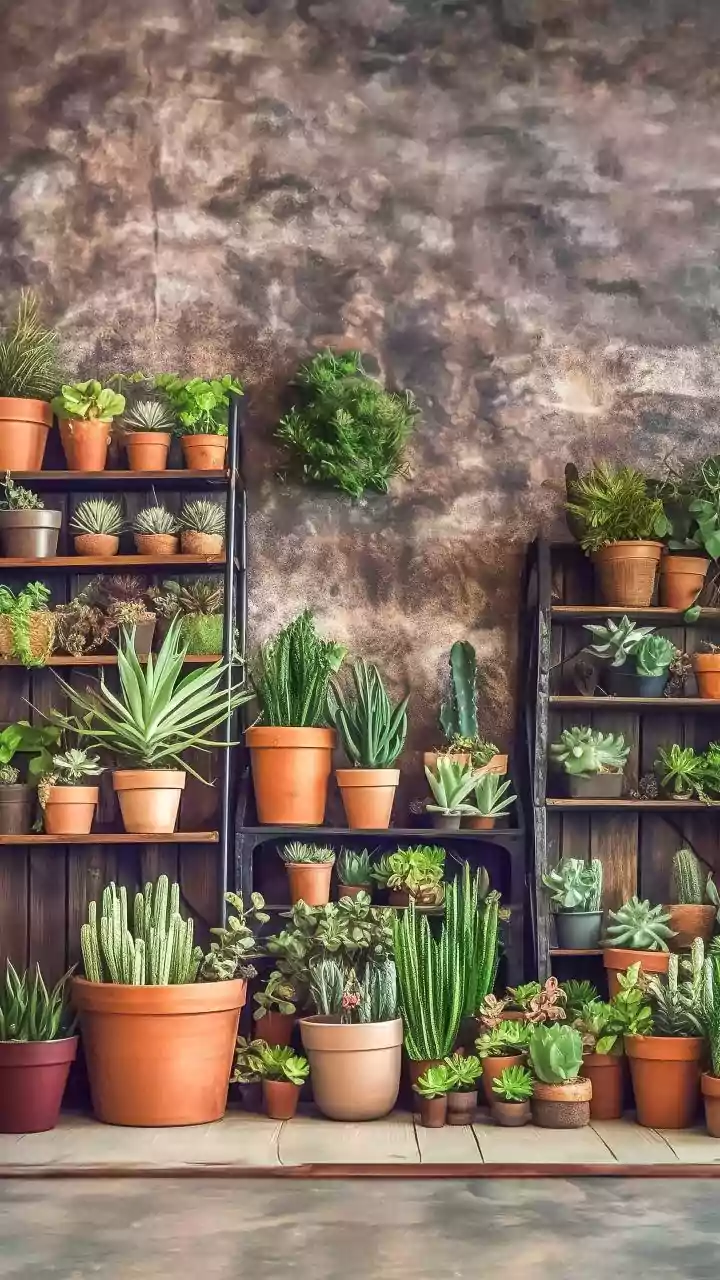
Ready to get your hands dirty? First, pick the sunniest spot on your balcony. Next, choose your vertical system, whether it’s a tiered stand, hanging pots, or a wall mounted rack. For soil, don't just use earth from the ground, which can be too dense. Instead, purchase a good quality 'potting mix' from a local nursery. This mix is lighter and allows for better drainage, which is crucial for container plants. Gently place your chosen herb saplings or seeds into the pots or pockets, fill with the potting mix, and water them well. Make sure your containers have drainage holes at the bottom to prevent water from logging, which can lead to root rot. That's it—your vertical garden is officially underway.
Care and Joyful Harvesting
Maintaining your herb garden is simple. Check the soil every day or two; if the top inch feels dry, it's time to water. Be mindful that plants in smaller pots and those in direct sun will dry out faster. Watering is often best done in the morning. The beauty of herbs is that harvesting encourages more growth. Regularly snip off leaves and stems as needed for your cooking. For leafy herbs like mint and basil, pinching off the top leaves will make the plant grow bushier. Don't be afraid to use your herbs generously! A regular trim keeps the plants healthy and productive, ensuring you have a continuous supply of fresh flavours right at your fingertips.