




From Clutter to Curation
Our homes are filled with stories told through objects: souvenirs from travels, family heirlooms, children’s art, and festive trinkets. But when every surface is covered, these individual stories get lost in a sea of ‘stuff’. This visual clutter can be
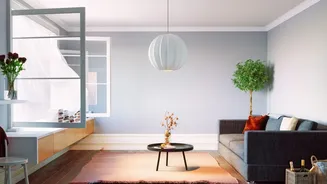
overwhelming, making it hard to appreciate any single item. The goal is to move from a state of passive accumulation to one of active curation. By choosing to display only a few meaningful pieces at a time, you give them the space to breathe and be noticed. An interior design principle to embrace is ‘less is more’; when you intentionally select what to showcase, each item’s importance is elevated.
Your Home Is a Living Gallery
Think of your home not as a static storeroom but as a personal gallery with seasonal exhibitions. This mindset shift is the key to embracing decor rotation. It allows you to engage with your environment actively, making small changes that have a big impact. Just as a museum rotates its collection to tell new stories and protect delicate items, you can rotate your decor to reflect the changing seasons, celebrate festivals, or simply match your current mood. This practice keeps your home from feeling stagnant and allows you to fall in love with your possessions all over again each time they come out for display.
How to Start Your Rotation System
Starting a rotation system is simpler than it sounds. First, take inventory of all your decorative items. Gather everything from your shelves and surfaces and group like items together. This is the perfect time to declutter and donate anything you no longer love. Next, find a dedicated storage space—a closet, a few boxes in the attic, or under-bed containers. Use clear, labelled bins to store your ‘off-duty’ collections, categorised by season (like Diwali or Christmas), theme, or colour. Finally, set a simple schedule. You could rotate items monthly, seasonally, or whenever you feel the need for a change. The key is to make it a manageable and enjoyable habit.
What to Rotate for Maximum Impact
Almost any decorative item can be part of a rotation. Textiles are one of the easiest places to start. Swap heavy, dark cushion covers and throws for light, airy fabrics in the summer. Create seasonal displays on a console table or mantelpiece, using autumnal gourds, spring flowers, or festive candles. Don't forget smaller items like picture frames, vases, and even coffee table books. Rotating these smaller pieces can instantly change the feel of a room without any heavy lifting. Children’s artwork is another wonderful category to rotate, ensuring the latest masterpiece is always given pride of place.
Maintaining a Balanced Space
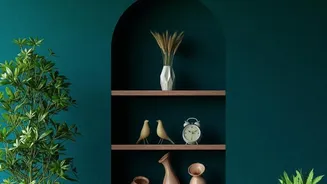
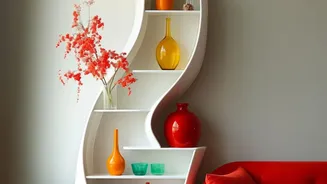
Once you have your system, the trick is to maintain it. A great guideline is the ‘one-in, one-out’ rule. If you buy a new decorative piece, an old one should be stored away or donated. This prevents the slow creep of clutter from returning. Another professional tip is to ensure your shelves have 'negative space', which is empty space that gives the eye a place to rest. Aim to leave about 25-30% of a shelf free to create a balanced, curated look rather than a crowded one. This breathing room is what separates a thoughtful display from a cluttered surface.