






A Monsoon Gone Missing
In a month where the city typically expects between 80 to 100 mm of rainfall, Bengaluru's official observatory recorded just 23 mm in July 2026. This makes it the most arid July since 1918, when a meager 18.5 mm was registered. After a promising start
to the monsoon season thanks to strong pre-monsoon showers, the abrupt dry spell caught many by surprise. The southwest monsoon, the lifeblood of the region, simply weakened, leaving the city’s green canopy thirsty and its reservoirs waiting. While weather experts note that August and September are typically Bengaluru's wettest months, this severe deficit in a key monsoon month has sounded an alarm.
The Immediate Ripple Effect
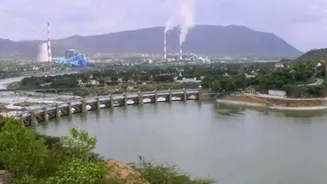
The lack of rain has direct consequences for the city’s water supply. While officials from the Bangalore Water Supply and Sewerage Board (BWSSB) have stated there is no immediate reason to panic about drinking water, they are monitoring the situation closely. The combined storage in the Krishna Raja Sagar (KRS) and Kabini reservoirs, which feed the Cauvery River pipeline to the city, is currently deemed sufficient for the coming months. However, the dry spell puts immense pressure on groundwater, a resource already dangerously depleted in many parts of the sprawling metropolis. For thousands of residents in areas not fully covered by the Cauvery network, the failure of the monsoon means deeper borewells, increased reliance on expensive private water tankers, and a tangible sense of water anxiety.
A City of Water Paradoxes
Bengaluru's relationship with water is a study in contrasts. The city is infamous for its flash floods, where a few hours of intense rain can bring life to a standstill. Yet, it is also perpetually on the brink of a water crisis. This paradox is a direct result of decades of unchecked urbanization. Concrete has replaced green spaces, preventing rainwater from percolating into the ground to recharge aquifers. Lakes and tanks, which once numbered in the hundreds and formed a natural network to manage and store rainwater, have been encroached upon or have become dumping grounds for sewage and waste. This has destroyed the city's natural ability to act as a sponge, turning precious rainfall into problematic runoff that floods streets instead of replenishing groundwater.
Rediscovering the Forgotten Sponge
The dry July serves as a powerful argument for solutions that have been discussed for years: primarily, rainwater harvesting (RWH) and lake rejuvenation. Every building, road, and open space is a potential catchment area. Studies have shown that effective rainwater harvesting could meet a significant portion of Bengaluru’s water demand. The BWSSB has made RWH mandatory for many properties, but implementation and maintenance remain key challenges. Similarly, efforts to restore the city’s lakes are not just about beautification; they are about rebuilding a vital piece of water infrastructure. When lakes are healthy and interconnected, they can store monsoon surplus and recharge groundwater for the entire city, acting as a buffer against dry spells like this one.
Lessons From a Parched Month
This July is more than an anomaly; it's a glimpse into a potential future shaped by erratic weather patterns. It underscores that Bengaluru cannot afford to treat rainfall as a seasonal nuisance to be drained away as quickly as possible. Every drop that falls on the city is a resource. For residents, this means embracing water conservation and ensuring RWH systems are functional. For policymakers, it’s a renewed call to action to accelerate lake restoration, protect green spaces, and enforce sustainable building codes. The focus must shift from merely supplying water from a distant river to managing the water that the city receives directly from the sky. This involves a combination of large-scale infrastructure projects and grassroots community participation.