




A High-Stakes Fix in Two Acts
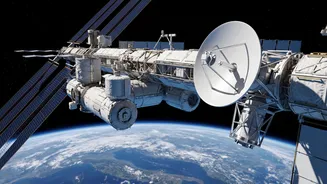
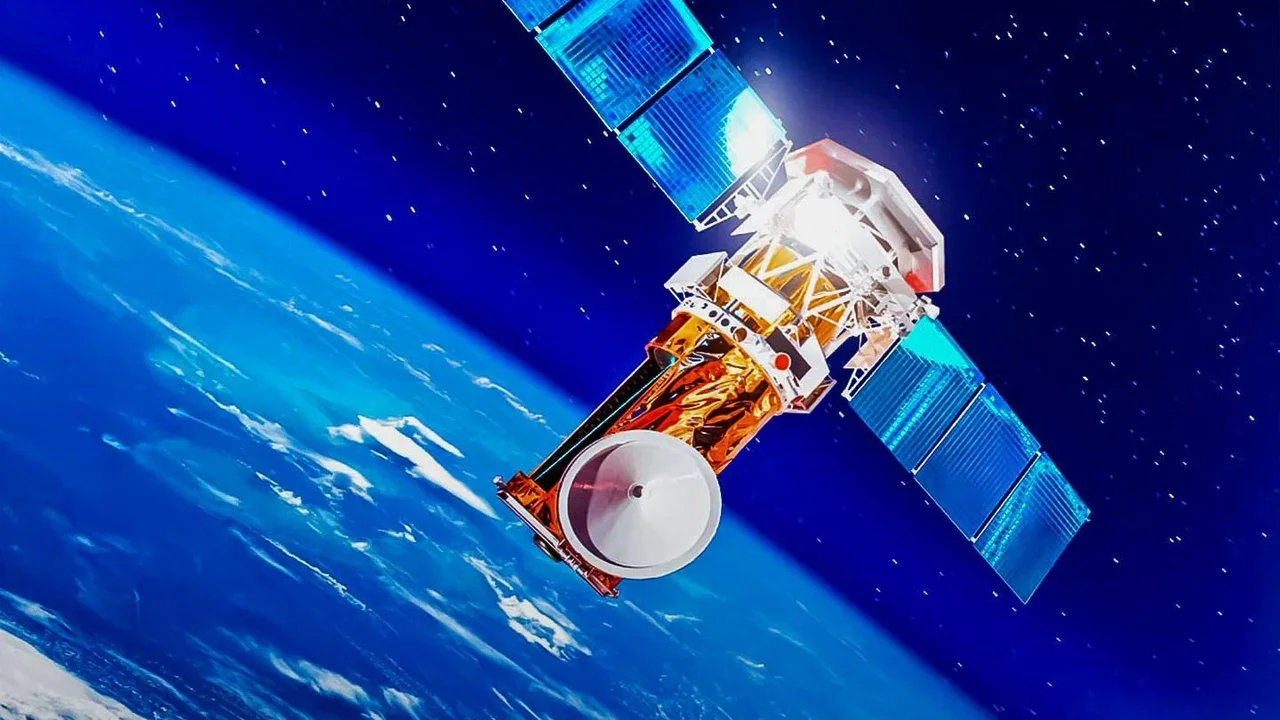
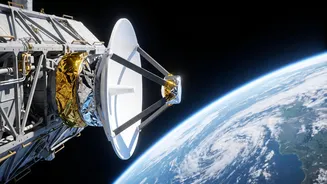
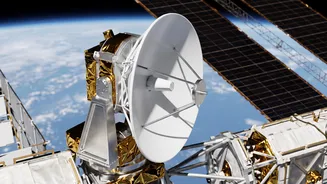
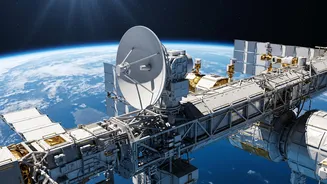
The mission was a tale of two spacewalks, both centered on a faulty Space-to-Ground antenna (SGANT). This hardware is a crucial communications link, enabling high-speed data transmission between the ISS and Mission Control in Houston. The antenna stopped
tracking NASA's relay satellites properly, rendering it unusable and reducing the station's communication redundancy. The first spacewalk to address the issue took place on August 18, when NASA astronaut Anil Menon and European Space Agency (ESA) astronaut Sophie Adenot ventured outside the station. During a physically demanding excursion lasting over six hours, they successfully removed the failed unit. However, disconnecting stubborn cables and bolts took longer than planned, leaving no time to install the replacement.
Finishing the Job
The team returned to the task on August 25 for a second spacewalk, or Extravehicular Activity (EVA). This time, Menon and Adenot successfully installed and connected the spare antenna to the station's Z1 truss structure. The spacewalk, which clocked in at six hours and 30 minutes, also involved moving the failed antenna from its temporary position to a more permanent spare-parts platform. The successful installation marked the 98th U.S. spacewalk and the 283rd overall in support of station assembly and maintenance. For Menon, it was his third career EVA, while for Adenot, it was her second, following her historic first spacewalk on August 18, which made her the first French woman to perform one.
A New, Clearer Link to Earth
With the new antenna in place, the ISS has its full high-data-rate communications capability restored. Immediately following the installation, flight controllers on the ground began running diagnostics. These initial checks confirmed that the new antenna was receiving power and successfully transmitting data, a major milestone for the mission. While the station had been operating on a second, fully functional antenna since the first one failed, this repair re-establishes critical redundancy in the system. This ensures that the flow of scientific data, video, and operational commands between the orbiting laboratory and Earth remains robust and reliable.
The Human Element of Space Maintenance
The successful two-part repair highlights the immense skill and adaptability required of astronauts. Spacewalks are among the most physically and mentally demanding tasks an astronaut can undertake, requiring immense precision while wearing bulky, pressurized suits in the vacuum of space. The fact that the first EVA did not go exactly as planned, yet the crew and ground control were able to adapt and complete the primary objective in a follow-up mission, speaks to the robust contingency planning that underpins all ISS operations. Following the demanding spacewalk, the crew, including Menon, Adenot, and station commander Jessica Meir, spent the next day cleaning up the Quest airlock, recharging spacesuit batteries, and debriefing with mission specialists on the ground.