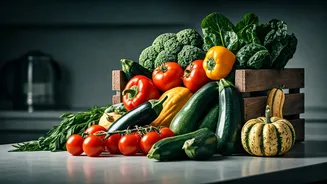






Pumpkin (Kaddu)
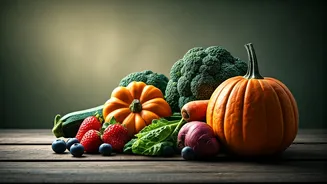
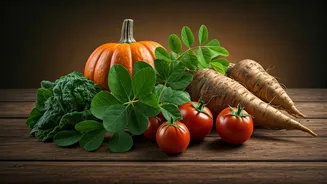
Don't just think of pumpkin for festive decorations; this humble vegetable is a nutritional powerhouse and a star of post-monsoon and winter cooking in India. Its sweet, earthy flavour lends itself beautifully to both savoury and sweet dishes. Available
in abundance, it’s not only budget-friendly but also incredibly versatile. The soft texture when cooked makes it a comforting addition to any meal, absorbing spices wonderfully and providing a wholesome, filling base for curries and soups. It's a classic for a reason, celebrated in regional cuisines from the simple 'khatta meetha kaddu' of the north to the rich 'erissery' of Kerala.
Spinach (Palak)
As the weather cools, vibrant bunches of spinach start appearing everywhere, and for good reason. Palak is one of the most nutrient-dense vegetables you can eat, loaded with iron, vitamins, and antioxidants. While palak paneer is the undisputed champion, this leafy green is far more adaptable. Finely chop it and add it to your dal for a 'dal palak', stuff it into parathas for a healthy breakfast, or blend it into a smoothie for a quick health boost. Its mild flavour allows it to be easily incorporated into various dishes without overpowering them, making it an easy way to add essential nutrients to your family's diet.
Fenugreek Leaves (Methi)
The slightly bitter, deeply aromatic flavour of fresh fenugreek leaves is a hallmark of Indian winter cuisine. Methi is prized not just for its unique taste but also for its impressive health benefits, including aiding digestion and managing blood sugar levels. The bitterness can be easily balanced by pairing it with potatoes in the classic 'aloo methi', or with the sweetness of green peas in 'methi matar malai'. It’s also the star ingredient in Gujarati theplas and a flavourful addition to dals and kadhis. A little goes a long way, and mastering its use is a sign of a truly seasoned home cook.
Radish (Mooli)
Often overlooked, the humble radish is a crunchy, peppery, and incredibly refreshing seasonal vegetable. It’s excellent for digestion and packed with water, making it a hydrating choice. The most famous application is undoubtedly the 'mooli paratha', a beloved winter breakfast across North India. But its uses don't stop there. Grated radish can be added to salads for a zesty crunch, quick-pickled as a side dish, or added to sambar in South Indian cuisine. Even the leaves are edible and highly nutritious; they can be cooked as a simple 'bhaji' or added to dals.
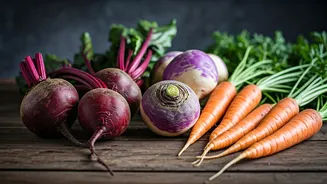
Carrots (Gajar)
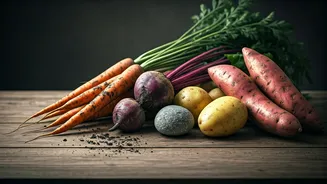
When you see the market flooded with deep, reddish-orange carrots, you know winter is truly here. These 'Delhi carrots' are sweeter and juicier than their year-round counterparts, making them perfect for the iconic 'gajar ka halwa'. Beyond dessert, they are a fantastic source of Vitamin A, crucial for eye health and immunity. They add sweetness and colour to mixed vegetable sabzis, pulao, and fried rice. Enjoy them raw as a crunchy snack, juice them for a refreshing drink, or lightly sauté them with peas for a simple, healthy side dish that even kids will love.
Bottle Gourd (Lauki)
Lauki, or bottle gourd, is a staple in Indian households, especially during the transitional seasons. Known for being extremely easy to digest and having a high water content, it's considered a 'cooling' vegetable in Ayurveda. While some may find it bland, its genius lies in its ability to be a canvas for other flavours. It shines in dishes like 'lauki ke kofte' where it's transformed into delicious dumplings in a rich gravy. It's also used to make simple, comforting sabzis, added to dals for extra body, or even grated to make 'lauki ka halwa' for a lighter dessert alternative.