



The 'No PUC, No Fuel' Mandate
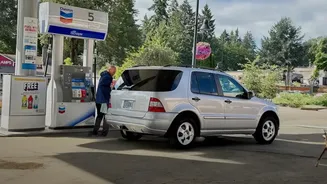
One of the most significant measures being strictly enforced is the 'No PUC, No Fuel' rule. Starting October 1, 2026, petrol pumps across the National Capital Region can refuse to sell you fuel if your vehicle does not have a valid Pollution Under Control
(PUC) certificate. To ensure compliance, 500 fuel stations in Delhi are being equipped with Automatic Number Plate Recognition (ANPR) cameras. These cameras will automatically scan your vehicle's number plate, check its PUC status in the central database, and identify end-of-life vehicles, making enforcement swift and difficult to evade.
Restrictions Based on GRAP Stages
The Graded Response Action Plan (GRAP) is a set of emergency measures that kick in as air quality deteriorates. For private vehicle owners, the most critical stage is Stage III, which is triggered when the Air Quality Index (AQI) is between 401 and 450. During this stage, there will be a strict ban on plying BS-III petrol and BS-IV diesel light motor vehicles in Delhi and key NCR districts like Gurugram, Faridabad, Ghaziabad, and Gautam Buddha Nagar (including Noida). It's important to note that a valid PUC certificate will not exempt your vehicle from these restrictions if it falls into the banned categories.
Curbs on Vehicles Entering Delhi
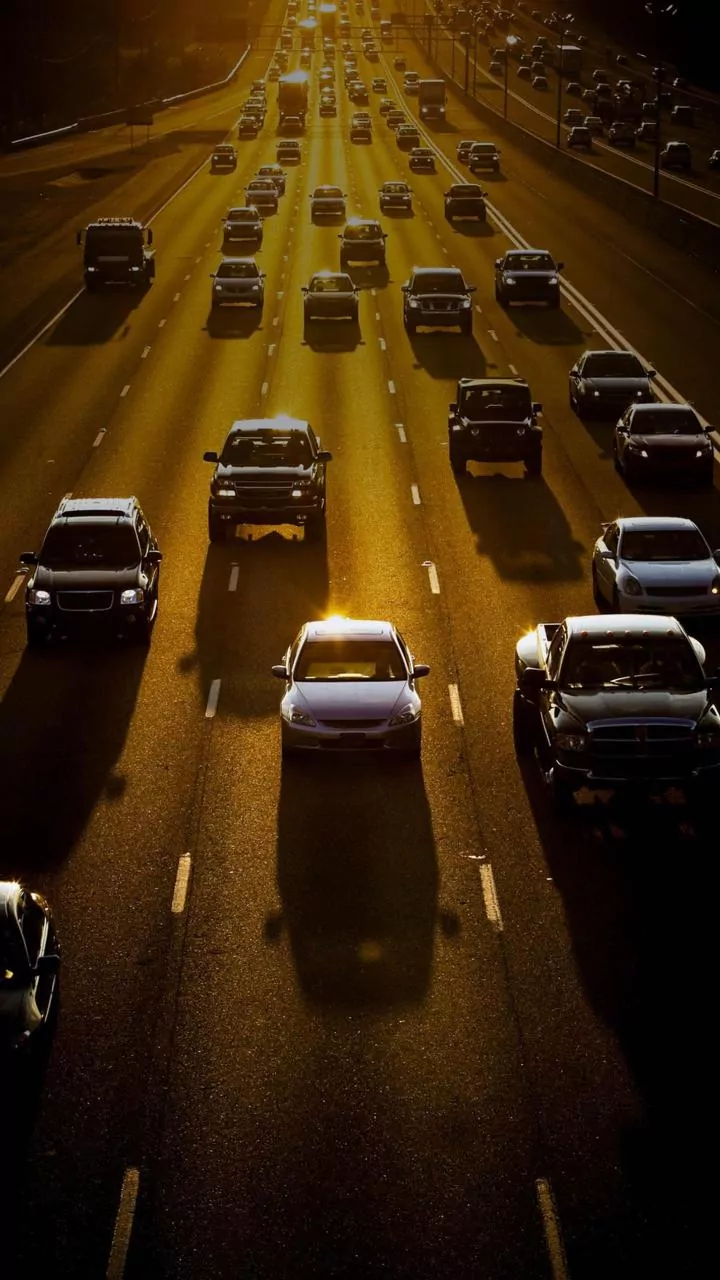
Starting November 1, 2026, the rules for vehicles registered outside Delhi become much tighter. Any petrol or diesel vehicle that is not compliant with BS-VI emission standards will be barred from entering the capital. This restriction applies to both private and commercial vehicles. However, vehicles running on CNG or electricity, as well as those providing essential services, are exempt from this specific rule. For commercial goods carriers, the norms are even stricter, with a progressive phase-out of older, more polluting trucks entering the city.
Targeting End-of-Life Vehicles
Authorities are also cracking down on older vehicles that have surpassed their legal road life—10 years for diesel and 15 years for petrol vehicles in Delhi. The ANPR cameras at petrol pumps will play a key role in identifying these vehicles. Owners of such vehicles will not be able to refuel them and may face penalties or have their vehicles impounded. The government is also planning fitness tests for around 2.5 lakh vehicles to ensure they are road-worthy and meet emission norms. This is part of a broader push to either scrap older vehicles or have them re-registered in other states where it is permitted.
Why These Measures Are Necessary
These stringent measures are a response to Delhi-NCR's chronic and severe winter air pollution crisis. Vehicular emissions are a major contributor to the toxic smog that engulfs the region every year, leading to a public health emergency. The average AQI during winter months often remains in the 'Severe' category, posing serious health risks to millions. The action plan, which also includes bans on construction activities, controlling industrial emissions, and discouraging waste burning, is a multi-pronged strategy. By targeting polluting vehicles, authorities aim to significantly cut down on a primary source of particulate matter and other harmful pollutants that choke the city.