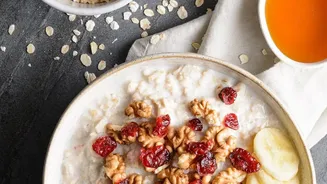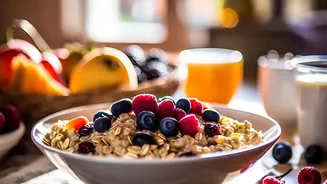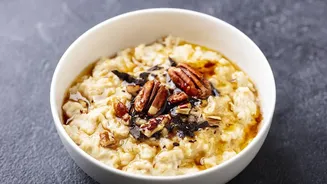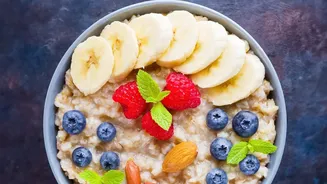




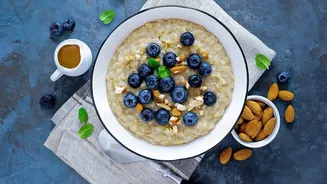
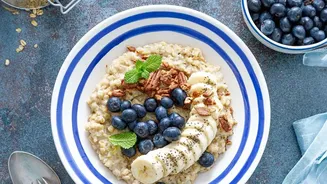
In a world of instant everything, the slow, deliberate 25-minute simmer of steel-cut oats feels like a luxury. But that longer cooking time isn't a flaw; it's the secret to their superior texture, nutty flavour, and nutritional edge.
What Makes Steel-Cut Oats Different?
To understand the
cooking time, you first need to know what you're working with. All oats start as whole oat grains, or 'groats'. The difference lies in the processing. While rolled oats are steamed and flattened, and instant oats are processed even further, steel-cut oats are simply the whole groat chopped into two or three pieces with steel blades. This minimal processing means the grain remains largely intact, which is the key to both its benefits and its longer cooking time. You're essentially cooking a tiny, dense piece of whole grain from scratch.
The Science of the Slow Simmer
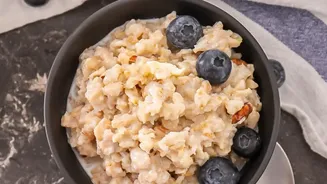
Because steel-cut oats are dense and their fibrous bran layer is still mostly intact, it takes more time and water for them to soften and become creamy. Think of it like cooking a whole potato versus a thinly sliced one; the larger, denser piece needs more time for heat and moisture to penetrate to the centre. This slow absorption process is what creates their signature chewy, toothsome texture, a world away from the often softer, mushier result you get from faster-cooking oats. The standard stovetop method typically takes between 20 to 30 minutes of gentle simmering.
A Nutritional Edge Worth the Wait
That slow-cooking nature isn't just about texture. Because your body also has to work harder to break them down, steel-cut oats are digested more slowly. This results in a lower glycemic index (GI) compared to more processed oats. A lower GI means a slower, more gradual release of sugar into the bloodstream, which helps keep you feeling full and energised for longer, avoiding the mid-morning crash. While the core nutritional values are very similar across all plain oats, the extra fibre and slower digestion give steel-cut oats a slight advantage, particularly for blood sugar management.
The Classic Stovetop Method
Mastering the basic method is simple. For a creamy consistency, a common ratio is one part oats to four parts liquid (like water, milk, or a combination). Start by bringing the liquid and a pinch of salt to a boil in a saucepan. Stir in the steel-cut oats, then reduce the heat to a low simmer. Cook uncovered, stirring occasionally to prevent sticking, for 25 to 30 minutes, or until the oats are tender and have absorbed most of the liquid. For an even creamier finish, let the porridge rest, covered and off the heat, for a few minutes before serving.
Time-Saving Hacks for Busy Mornings
Don't have 30 minutes to spare in the morning? You can still enjoy steel-cut oats. The most popular hack is the overnight method. Bring your oats and water to a boil for one minute the night before, then turn off the heat, cover the pot, and leave it on the stove overnight. In the morning, the oats will be fully cooked and just need a quick 5-10 minute reheat on the stove, perhaps with an extra splash of milk. You can also make a large batch at the beginning of the week. Cooked steel-cut oats will keep in the fridge for up to five days and can be quickly reheated in the microwave.