



A National Health Crisis in a Pinch of Salt
India is facing a silent epidemic of non-communicable diseases, with hypertension (high blood pressure) leading the charge. Studies show that roughly one in four adults in India has hypertension, a condition that significantly increases the risk of heart
disease, stroke, and kidney failure. A primary driver of this crisis is dietary sodium. Estimates show that an average Indian consumes between 8 to 11 grams of salt daily, which is nearly double the World Health Organization's recommended limit of 5 grams. With nearly 80% of this sodium coming from salt added during cooking at home, the everyday staple has become a major public health concern. This has prompted leading health experts to seek a simple, passive intervention that could have a massive impact without requiring drastic changes to cultural eating habits.
The Low-Sodium Salt Solution
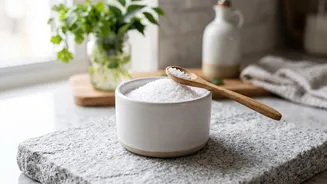
A growing consensus of cardiologists, nephrologists, and public health experts are championing what they call a 'dietary vaccine': potassium-enriched low-sodium salt substitutes (LSSS). These products are not entirely new, but their promotion as a public health tool is gaining momentum. LSSS typically replaces 15% to 30% of the sodium chloride in regular salt with potassium chloride. The result is a salt that looks, cooks, and tastes very similar to the conventional version but has a powerful dual benefit. It reduces the intake of harmful sodium while simultaneously increasing the intake of potassium, a mineral that helps counteract sodium's effects and lower blood pressure. Research is compelling; one trial in rural India showed a significant reduction in systolic blood pressure, while a large-scale study in China linked LSSS use to a 14% reduction in strokes and a 12% reduction in overall mortality from cardiovascular events.
The Challenge of Affordability
Despite the clear health benefits, the most significant barrier to widespread adoption is cost. Low-sodium salts are currently priced at two to four times more than regular iodised salt. For a majority of Indian households operating on tight budgets, this price difference makes it a luxury rather than an accessible alternative. The higher cost is primarily due to the reliance on imported potassium chloride, which constitutes a large portion of the production expense. While some experts argue that the additional cost per family per day is manageable, for millions living on the economic margins, any increase in the price of a daily essential is a major consideration. Until the price gap narrows, LSSS will likely remain a niche product for the urban affluent.
The Availability and Awareness Gap
Beyond price, there is a massive gap in availability and awareness. Currently, low-sodium salt substitutes account for less than 0.5% of India's total edible salt market. Their availability is heavily skewed towards large metropolitan areas like Delhi, Mumbai, and Bengaluru, with almost no presence in smaller towns or rural India, where a significant portion of the population resides. A study by the National Institute of Epidemiology (NIE) found LSSS in about half of supermarkets but only in a dismal 4% of small, local grocery shops, which are the primary source of daily essentials for most Indians. Furthermore, awareness among both consumers and even general medical practitioners remains low. Doctors are more likely to advise patients to simply 'eat less salt' rather than switch to a readily available, effective alternative.
The Path Forward
For the low-sodium salt proposal to become a reality, experts recommend a multi-pronged approach. This includes updating FSSAI standards to formally recognise potassium-enriched salt as an 'edible salt' category, which would streamline its production and sale. To tackle the cost and availability issues, proponents suggest public procurement for government programs like mid-day meals and the Public Distribution System (PDS). This could create the volume needed to bring down production costs and normalise its use. A successful subsidised salt program in Tamil Nadu in the past shows that making these products affordable is achievable with political will. Bridging the evidence-to-action gap requires a concerted effort to educate both the public and the medical community about the benefits and safety of this simple, life-saving switch.