





Understanding Karats: The Measure of Purity
The term 'karat,' abbreviated as 'K', is the unit used to measure the purity of gold. The scale runs from 0 to 24. Therefore, 24K gold is the purest form you can buy, while lower karats indicate a mix of gold and other metals, known as alloys. In India,
22K and 24K are the most common purities consumers encounter, making it vital to know what each offers before you step into a jewellery store.
24K Gold: The Purest Form for Investment
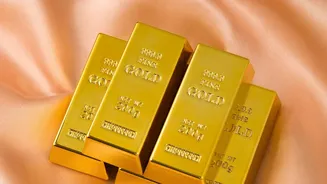
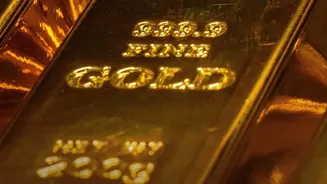
24-karat gold is 99.9% pure gold, with no other metals mixed in. This gives it a distinct, rich yellow colour and makes it the most valuable and expensive form of gold per gram. However, this purity comes with a trade-off: 24K gold is very soft and malleable. It can easily bend, scratch, or deform, making it unsuitable for regularly worn jewellery. Because of its purity and high intrinsic value, 24K gold is the standard for investment purposes. It is typically sold in the form of coins and bars, which are meant for storing wealth rather than for adornment.
22K Gold: The Standard for Indian Jewellery
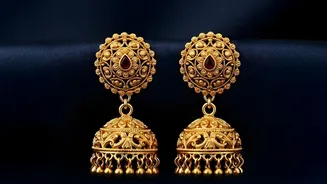
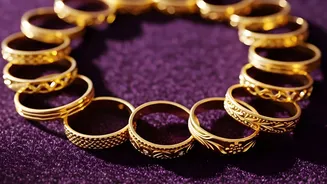
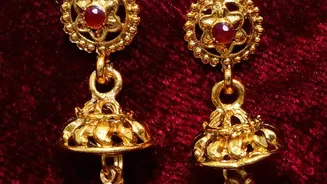
22-karat gold, also widely known as '916 gold', is composed of 22 parts gold and 2 parts other metals, making it 91.67% pure. The remaining 8.33% consists of alloys like copper, silver, or zinc. These added metals significantly increase the gold's strength and durability without compromising its beautiful golden hue. This enhanced hardness makes 22K gold the preferred choice for crafting intricate and sturdy jewellery, from bangles and necklaces to earrings, that can withstand daily wear. It strikes the perfect balance between high purity and practical wearability, which is why it's the traditional standard for most jewellery in India.
Purity vs. Durability: Choosing for Your Needs
The choice between 22K and 24K gold boils down to a simple question: are you buying for investment or for adornment? If your primary goal is to invest in gold as a financial asset, 24K gold coins or bars are the ideal choice. They contain the highest possible gold content, and you don't lose value on making charges, which are non-recoverable costs associated with jewellery craftsmanship. However, if you want a piece of jewellery to wear and enjoy, 22K gold is the practical and superior option. Its durability ensures that the ornament retains its shape and integrity over years of use, while still holding significant value due to its high gold content.
Decoding the Price Difference
Naturally, 24K gold is more expensive per gram than 22K gold because it contains more pure gold. The price of 22K gold is typically calculated as approximately 91.6% of the prevailing 24K gold rate, before any other charges are added. When buying jewellery, remember that the final price includes not just the cost of the gold itself, but also making charges, wastage charges, and GST. Making charges can range from 8% to 25% of the gold's value and are not recovered upon resale, making jewellery a less efficient pure investment compared to gold bars.
How to Verify Purity: Look for the BIS Hallmark
To ensure you are getting the purity you are paying for, always look for the Bureau of Indian Standards (BIS) hallmark on any gold item you purchase. Since April 2023, it has been mandatory for jewellers to sell gold with a 6-digit alphanumeric Hallmark Unique Identification (HUID) number. A genuine BIS hallmark consists of three key components: the triangular BIS logo, a mark indicating the purity (like '22K916' for 22K gold), and the 6-digit HUID. This hallmark is your guarantee of authenticity and is crucial for getting fair value if you ever decide to sell or exchange the item.