
Venus Dazzles in the Evening Sky
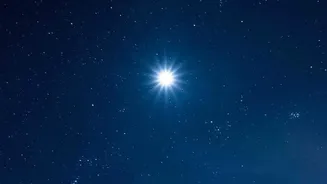
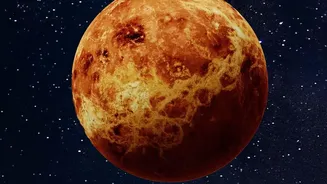
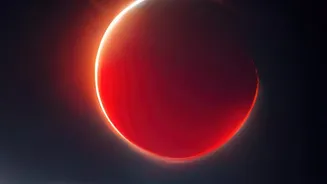
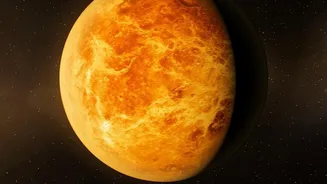
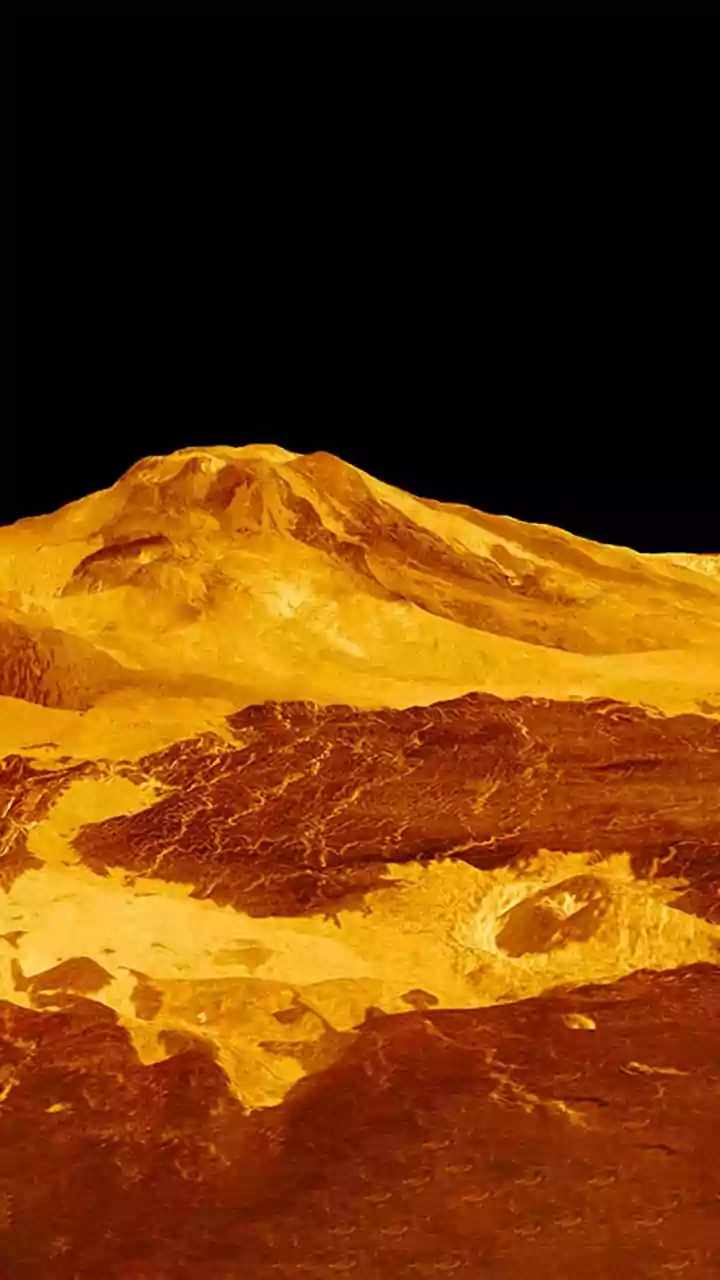
Venus, often called the 'Evening Star', will be an unmissable beacon throughout September. The planet reaches its greatest brilliancy on September 18, shining at a stunning magnitude of -4.8. This is when the planet's crescent phase and its proximity
to Earth combine to make it appear brighter than at any other time of the year, outshining every object in the night sky except for the Moon. You won't need any special equipment; just look towards the western horizon shortly after sunset. On September 14, you can catch a particularly beautiful sight as a thin crescent Moon passes very close to Venus, creating a breathtaking pairing for about an hour after the sun goes down.
The Autumnal Equinox Arrives
Mark your calendars for September 23, when the autumnal equinox officially ushers in the fall season in the Northern Hemisphere. At 5:35 AM IST, the Sun will shine directly over the Earth's equator, resulting in nearly equal hours of day and night across the globe. While this is an astronomical event rather than a visual spectacle, it has a wonderful perk for stargazers: longer nights. As the days grow shorter and the nights longer, our window for observing the cosmos expands, providing more opportunities to explore the stars. The period around the equinox can also be a favorable time for spotting auroras at higher latitudes.
The Full Harvest Moon
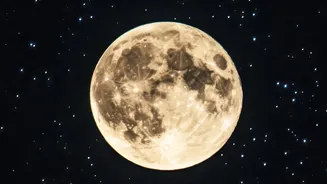
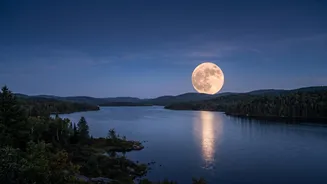
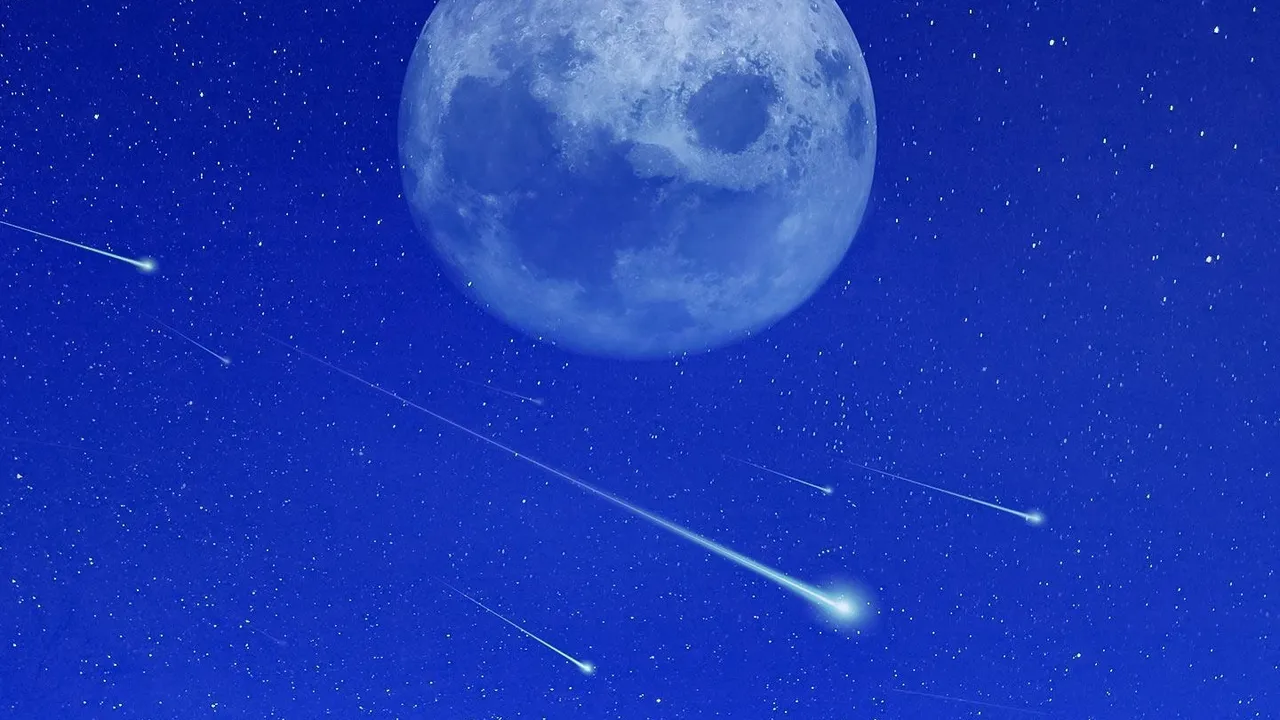
The celestial main event of the month is the full Harvest Moon, which will reach its peak illumination at 10:19 PM IST on Saturday, September 26. This full moon is the one closest to the autumnal equinox, and its name has deep agricultural roots. Historically, the bright moonlight for several consecutive evenings around this time gave farmers extra light to continue harvesting their crops after sunset. For the best view, try to watch the moonrise on the evening of the 26th, when it will appear large and golden-orange on the eastern horizon. This month, the full moon will be in the constellation of Pisces, and you'll have a bonus sight: the planet Saturn will appear as a bright, steady point of light nearby.
A Parade of Planets and a Phantom Glow
September is a fantastic month for planet-watching. Early in the month, the Moon will make close approaches to Mars and Jupiter in the pre-dawn sky. On September 1, you can spot Saturn near the Moon in the evening. For those with a clear, dark sky away from city lights, the two weeks surrounding the new moon on September 11 provide an excellent opportunity to spot the elusive Zodiacal Light. This faint, pyramid-shaped glow, sometimes called the 'false dawn', is caused by sunlight reflecting off cosmic dust. Look to the eastern horizon about an hour or two before sunrise for a chance to glimpse this ethereal phenomenon. It’s a challenging but rewarding sight for dedicated sky-watchers.