




Understanding the Celestial Shows
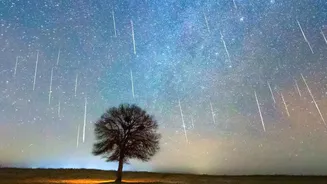
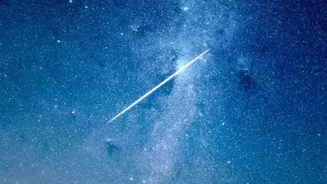
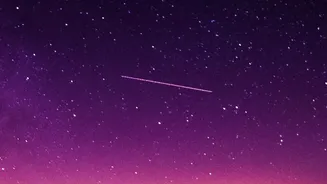
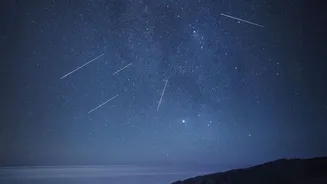
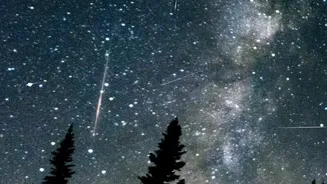
Meteor showers, often called shooting stars, occur when Earth passes through trails of debris left by comets or asteroids. As these tiny particles enter our atmosphere at high speed, they burn up, creating brilliant streaks of light. The two headline
events for this season are the Perseids and the Orionids. While the Perseids make their appearance in late summer, they herald the start of a fantastic period for sky-watching that leads directly into the autumn splendour of the Orionids. Both offer a spectacular show, best viewed away from the light pollution of major urban centers.
Perseids: A Summer Finale and a Look Ahead
The Perseid meteor shower, born from the debris of Comet Swift-Tuttle, is a major highlight of the year for stargazers. It peaked this year on the nights of August 12 and 13. The 2026 Perseids were particularly special as the peak coincided with a new moon, creating exceptionally dark skies and ideal viewing conditions. For those in India, the primary challenge is often monsoon cloud cover. If you missed this year's show, mark your calendar for next August. Planning ahead for a trip to a region with clearer skies, like the trans-Himalayan areas, can make all the difference.
Orionids: Your Autumn Spectacle
As autumn sets in, the Orionid meteor shower takes center stage. These meteors are fragments from none other than Halley's Comet. In 2026, the Orionids will be active from early October to early November, with the peak expected in the pre-dawn hours of October 21 and 22. Stargazers can anticipate seeing around 15 to 25 meteors per hour under dark skies. The radiant, or the point from which the meteors appear to originate, is the famous constellation of Orion the Hunter, making the shower easy to locate for even novice observers. While the Moon will be a waxing gibbous, which can interfere with viewing fainter meteors, the Orionids are known for their brightness and speed, so a good show is still anticipated.
The 'Non-Metro Metro' Advantage
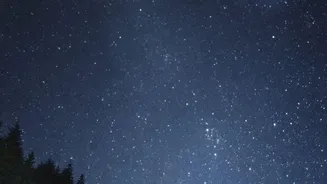
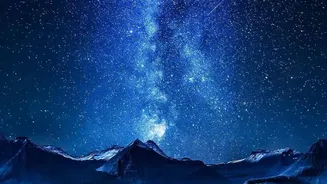
You don't need to travel to the Himalayas to enjoy the night sky. The concept of a 'non-metro metro' getaway is about finding that sweet spot: a location far enough from your city to escape the worst of the light pollution, but close enough for a weekend trip. These are often smaller towns, hill stations, or protected reserves nestled in the Aravallis, Sahyadris, or Western Ghats. The goal is to find a place where the Bortle scale—a measure of sky darkness—drops from a city's class 8 or 9 to a more rural class 3 or 4. This difference is enough to transform a sky with a dozen visible stars into one with thousands, and even reveal the faint band of the Milky Way.
Dark Sky Hubs Near Major Cities
For residents of India's major metros, a stunning celestial show is just a short drive away. Near Delhi, the Aravalli hills in the Alwar region, including areas like Sariska and Tijara, offer skies dark enough to see the Milky Way, just a two to three-hour drive from the NCR. Mumbaikars and Pune-ites can head to the Sahyadris. Destinations like Bhandardara, Malshej Ghat, and Pawna Lake are popular for their dark skies, especially between October and April after the monsoon clouds have cleared. Near Bangalore, while popular spots like Nandi Hills suffer from growing light pollution, areas in Coorg and the region around Denkanikottai offer genuinely dark skies perfect for catching a meteor shower.
Your Ultimate Viewing Guide
To make the most of your meteor shower experience, you don't need expensive equipment; your eyes are the best tool. Plan to start watching after midnight, as this is when Earth turns into the meteor stream, generally increasing the number of visible meteors. Find a dark, open area away from trees and buildings. Give your eyes at least 20-30 minutes to fully adapt to the darkness—and that means putting your phone away. Comfort is key, so bring a reclining chair or a blanket to lie on. Even on a warm night, it can get chilly, so pack an extra layer. A red-filtered flashlight is helpful for finding your way without ruining your night vision.