





A New Mindset: Proactive by Design
For too long, pest control has been a reactive chore—something you deal with after the problem appears. However, a shift is underway in home and apartment design. Architects and homeowners are now treating pest management as a fundamental part of the planning
phase, similar to lighting or flooring. By thinking about pest prevention from the beginning, you can design an environment that is naturally uninviting to common intruders. This proactive approach saves you from the future hassle and expense of infestations and chemical treatments, ensuring your balcony remains a relaxing retreat. It involves making conscious choices about materials, drainage, plants, and barriers before construction or renovation even begins.
Know Your Unwanted Guests
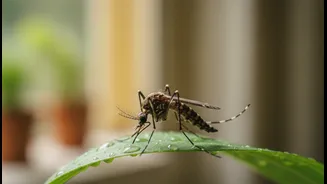
In urban India, balconies attract a specific set of pests. Pigeons seek out ledges and covered corners for nesting, leaving behind unsightly and unhygienic droppings. Mosquitoes are another major nuisance, breeding in any stagnant water they can find, from planter trays to clogged drains. Other common pests include flies, ants, and sometimes cockroaches, which are attracted to food crumbs and moisture. Understanding what attracts these specific pests is the first step. Pigeons need shelter, mosquitoes need water, and most insects are drawn to food waste and certain types of light. Your design strategy should focus on eliminating these attractants.
Strategic Planting as a Natural Defence
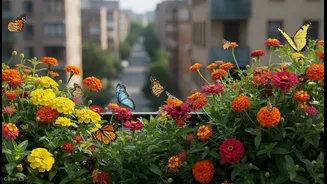
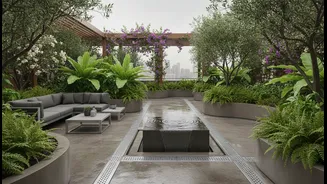
Your plant choices can either attract pests or repel them. Creating a natural barrier with plants is one of the most effective and aesthetically pleasing strategies. Plants like marigold, lemongrass, and citronella are famously disliked by mosquitoes due to the strong scents they emit. Culinary herbs such as tulsi (holy basil), mint, and rosemary not only add fragrance and flavour to your kitchen but also actively deter flies and mosquitoes. Chrysanthemums contain pyrethrins, a natural compound used in many insect repellents, which can help ward off roaches and ants. When planning your balcony garden, incorporate these pest-repelling species around seating areas and entry points for maximum effect.
Smarter Light and Water Management
Pests are highly sensitive to their environment, and you can use this to your advantage. Mosquitoes and many other flying insects are attracted to bright, white lights. Switching to yellow-toned LED bulbs or warm-toned fairy lights can make your balcony significantly less appealing to them after dark. Even more critical is water management. Mosquitoes can breed in as little as a capful of stagnant water. Ensure your balcony has proper drainage so that rainwater flows away completely. Regularly empty the trays under your plant pots or fill them with sand. Avoid leaving buckets, watering cans, or any other containers where water can collect. A dry balcony is an inhospitable environment for mosquitoes.
Choose Materials and Furniture Wisely
The materials you choose for your balcony’s flooring, furniture, and structures can play a role in pest prevention. Porous materials like untreated wood can absorb moisture and develop cracks that offer hiding spots for insects. Opt for materials that are non-porous and easy to clean, such as metal, treated hardwood, or high-quality plastic. When selecting furniture, look for designs with fewer crevices where pests can hide or build nests. Keeping the balcony uncluttered is also crucial. The fewer hiding spots you offer, the less attractive your space will be to pigeons looking for a nesting site or rodents seeking shelter.
Physical Barriers: The Ultimate Solution
For persistent problems, especially with birds, physical barriers are the most definitive solution. Modern bird netting is a highly effective way to keep pigeons off your balcony entirely without harming them. Today’s options include transparent nets that preserve your view and are UV-stabilized to last for years. For insects, custom-made mosquito curtains or fine mesh screens can be installed. These allow for fresh air and unobstructed views while creating an impenetrable shield against mosquitoes and other flying pests. While it requires an initial investment, integrating these barriers during the design phase ensures a seamless look and long-term peace of mind.