






The Hidden Danger in Coastal Waters
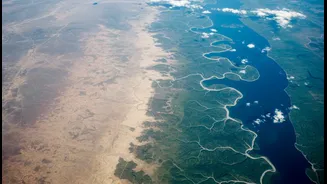
Coastal estuaries, the vibrant ecosystems where freshwater rivers meet the salty ocean, are vital for both nature and local economies. They serve as nurseries for a majority of commercially and recreationally caught fish and protect coastlines from storm
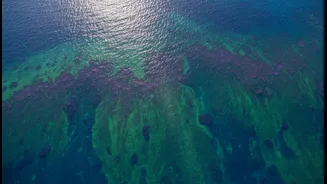
surges. However, these crucial zones are increasingly under threat from "bloom spikes." These are rapid, out-of-control growths of algae, often referred to as Harmful Algal Blooms (HABs). While algae are a natural part of aquatic life, certain conditions—like excess nutrient runoff from land and warming water temperatures—can trigger explosive growth. This isn't just an aesthetic issue making the water look murky; many of these blooms produce potent toxins.
A Threat to Health and Livelihood
The consequences of these toxic blooms are severe and far-reaching. The toxins can accumulate in shellfish, making them dangerous for human consumption and leading to widespread fishery closures. This directly impacts the livelihoods of fishing communities and the seafood industry. Beyond seafood, toxins can become airborne, causing respiratory problems for people living near the coast, while direct contact with contaminated water can lead to skin irritations and other illnesses. The economic toll extends to tourism, as discoloured, foul-smelling water and closed beaches deter visitors, affecting hotels, restaurants, and recreational businesses. The total annual cost of HABs in the U.S. alone is estimated to be in the tens of millions of dollars.
NASA's Eye in the Sky
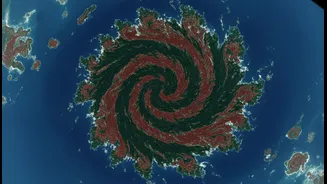
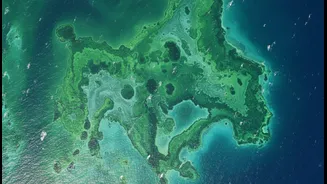
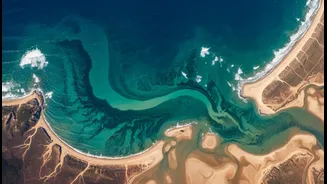
This is where NASA enters the picture. Monitoring vast stretches of coastline for the early signs of a bloom is incredibly challenging and expensive to do from boats alone. Satellites, however, offer a powerful advantage. NASA’s Earth-observing fleet, including missions like Landsat and the advanced Plankton, Aerosol, Cloud, ocean Ecosystem (PACE) satellite, can scan huge areas of water daily. These instruments don't just take a simple picture. They are equipped with hyperspectral sensors that can detect subtle changes in the colour of the water, identifying the specific pigments of different types of phytoplankton. This allows scientists to not only see a bloom forming but also to begin identifying whether it is a harmless type of algae or a potentially dangerous one.
From Space Data to Local Action
The goal of NASA's planetary health initiatives is to turn this sophisticated satellite data into actionable intelligence for communities. By processing observations and using new AI tools, NASA can create near real-time maps showing the location, size, and trajectory of developing blooms. These "dashboards" and forecasts are then shared with national and local partners, such as public health departments and environmental protection agencies. This information serves as an early warning system. It allows authorities to deploy resources more effectively, such as sending out teams to conduct on-site water sampling in targeted areas, issue timely public health advisories, and decide on beach or shellfish bed closures before the bloom becomes a widespread crisis.
A Global Mission for Planetary Health
The focus on coastal blooms is part of a broader mission to understand the intricate connections between the health of our planet's systems and human health. Estuaries are sensitive indicators of environmental change. Tracking their health provides a window into the impacts of climate change and pollution on a global scale. The tools and techniques developed by NASA for monitoring blooms in one region can be adapted for use around the world, including for nations like India with extensive and densely populated coastlines vulnerable to similar environmental pressures. This proactive, data-driven approach represents a fundamental shift from reacting to ecological disasters to anticipating and mitigating them, using the vantage point of space to safeguard life on Earth.