





From Itinerary Filler to Main Event
For decades, the travel blueprint was predictable: land in a new city, check off the top five monuments, visit a museum, and maybe grab a meal at a tourist-recommended restaurant. Food was functional, a necessity between sightseeing stops. But a significant
shift is underway. Today’s traveller, armed with curiosity and an appetite for authenticity, is flipping the script. Instead of planning a trip around the Eiffel Tower or the Taj Mahal, they’re planning it around the best croissant in Paris or the most legendary kebab in Lucknow. The food walk—a guided tour through a city’s culinary heart—has evolved from a quirky afternoon activity into the very anchor of the travel itinerary. It’s the first thing many people book, setting the tone for their entire exploration of a new destination.
A Direct Bite of Local Culture
Why this sudden elevation of street food and local eateries? Because food is a universal language, but its dialects are intensely local. A food walk is more than just a multi-course meal on the move; it’s a crash course in history, culture, and daily life. The guide doesn’t just point you to the best pani puri; they tell you the story of the vendor, the history of the spice blend, and why this particular spot is a neighbourhood institution. Each bite comes with a narrative. You learn about migration patterns through the ingredients in a dish, economic history from the location of a market, and social traditions by observing how locals eat. It’s a sensory, immersive experience that a museum plaque or a guidebook can rarely replicate. You aren’t just observing the culture; you are consuming it.
The Social Ingredient of Discovery
In an era of digital isolation, food walks offer a powerful dose of human connection. Unlike solo sightseeing, a food walk is an inherently social activity. You are part of a small group, sharing discoveries with fellow travellers from different parts of the world. The real magic, however, lies in the interactions with the locals. You meet the third-generation chai-wallah, the baker who has perfected his craft over 40 years, and the family running a tiny eatery with a secret recipe. These are not transactional encounters. A good guide facilitates genuine conversations, breaking down barriers and turning a simple food tasting into a memorable cultural exchange. This shared experience fosters a sense of community and belonging, making a large, intimidating city feel accessible and friendly.
India on a Platter
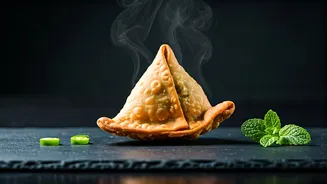
This trend is particularly vibrant in India, where every region, city, and even gully boasts its own distinct culinary identity. Food walks here are a kaleidoscope of flavours. In Old Delhi, a tour might take you through the labyrinthine lanes of Chandni Chowk, from the iconic parathas of Parathewali Gali to spicy chaat and decadent jalebis. In Kolkata, it’s a journey through colonial-era cabins for fish cutlets, street-side stalls for puchkas, and legendary sweet shops for sandesh and rosogolla. A walk through Lucknow is a pilgrimage for meat lovers, seeking out the melt-in-your-mouth Galouti kebabs of Tunday Kababi and aromatic biryanis. In Mumbai, you can trace the city’s cosmopolitan history through its street food, from vada pav and pav bhaji to the Parsi bakeries and Bohri thalis. These walks make India’s immense diversity deliciously accessible.
Choosing Your Culinary Adventure
With the rising popularity, the number of food tour operators has exploded. So, how do you pick a great one? First, look for local expertise. The best guides are often residents who are deeply passionate about their city’s food scene. Second, consider the group size. Smaller groups (typically under 10 people) allow for a more intimate and flexible experience. Read reviews carefully, paying attention to comments about authenticity and the quality of stories, not just the food. Finally, look for tours that champion small, family-run businesses over commercial chains. A great food walk should feel like being shown around by a knowledgeable local friend, not a slick corporate presentation. It’s about discovering hidden gems you would never find on your own.