






What the FSSAI Advisory Says
The Food Safety and Standards Authority of India (FSSAI) has repeatedly cautioned food businesses and consumers against using newspapers for packing, serving, or storing food. This is not a new rule but a renewed and urgent reminder based on the Food Safety and Standards (Packaging)
Regulations, 2018, which explicitly prohibit this practice. The directive applies to everyone in the food chain, from street vendors and local eateries to restaurants and caterers. The core message is simple: any material that comes into direct contact with food must be 'food-grade', meaning it's certified safe and won't transfer harmful substances.
The Hidden Dangers in Newspaper and Recycled Plastic
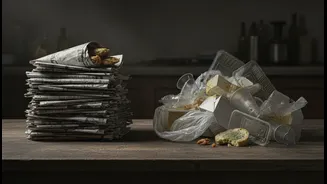
The convenience of using newspaper as a cheap and readily available wrapper comes with significant health risks. The primary concern lies with the printing ink, which contains a cocktail of harmful chemicals. These include heavy metals like lead and cadmium, as well as mineral oils and other chemical compounds that are not meant for human consumption. When hot, oily, or moist foods like pakoras, fried fish, or chutney-laden snacks are placed on newspaper, the heat and grease can cause these chemicals to 'migrate' or leach directly into your food. The problem extends beyond newspapers to include non-food-grade recycled plastics and cardboard, which can also release harmful substances and may be contaminated from previous use.
From Ink to Illness: The Real Health Risks
The chemicals leaching from printing inks are linked to serious long-term health problems. Lead, a heavy metal often found in ink, is a neurotoxin that can be particularly harmful to children. Other chemicals and agents present in ink have been identified as potential carcinogens, meaning they can increase the risk of cancer with prolonged exposure. Beyond chemical contamination, there is also a microbiological risk. Newspapers pass through many hands and environments before reaching a food stall, potentially picking up dust, dirt, and disease-causing pathogens along the way. This makes them an unhygienic choice for serving food, increasing the risk of foodborne illnesses.
Making the Switch: Safe Packaging Alternatives
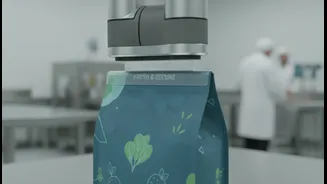
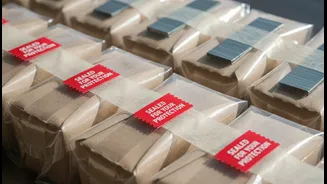
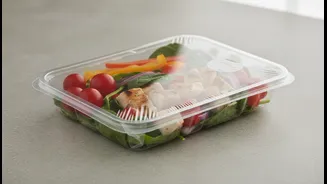
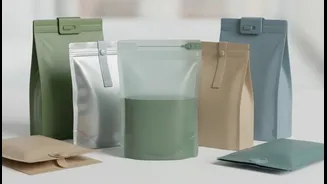
The solution is to insist on and use packaging that is explicitly designated as food-grade. These materials are designed and tested to ensure they are safe for direct food contact. For vendors, this means investing in certified materials like food-grade paper, butter paper, or compliant containers made from materials like bagasse (sugarcane pulp), which are also often more sustainable. Aluminium foil can be an option, but it should also be food-grade. For consumers, the power lies in awareness. Politely refuse food served in newspaper. Ask the vendor to use a proper plate or food-safe paper. Supporting businesses that prioritise hygiene sends a strong message and encourages wider change.
Your Role in the Eat Right India Movement
This advisory is part of FSSAI's larger 'Eat Right India' movement, a national effort to transform the country's food ecosystem to ensure safe, healthy, and sustainable food for all citizens. By moving away from hazardous packaging, both vendors and consumers contribute to a healthier society. The responsibility is shared. While FSSAI sets the standards and takes enforcement action, it is up to the public to drive the demand for safer practices. Choosing vendors who follow the rules, spreading awareness among friends and family, and understanding the 'why' behind the regulation are all crucial steps in protecting public health.