


The Allure of a Rain-Soaked Paradise
For years, the monsoon season, typically spanning from June to September, was considered the off-season for tourism in Coorg. Concerns over heavy rainfall and potential travel disruptions kept many away. But the perception is shifting dramatically. Today,
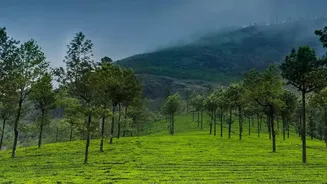
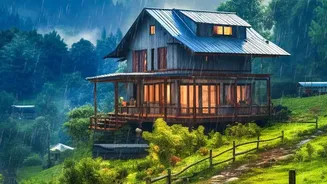
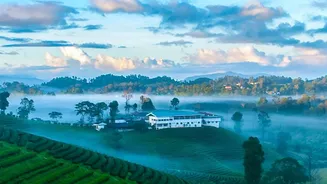
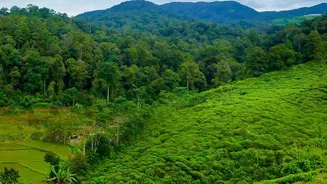
travellers are intentionally seeking out Kodagu (Coorg) during its wettest months, drawn by the promise of a landscape transformed. The rains breathe new life into the region, turning the rolling hills into a vibrant emerald carpet, swelling gentle streams into powerful, roaring waterfalls like Abbey and Iruppu Falls, and wrapping the entire district in a romantic, mystical layer of mist. This seasonal metamorphosis offers a serene, uncrowded atmosphere—a stark contrast to the peak tourist seasons—allowing visitors to connect more deeply with nature at its most dramatic and refreshing.
Embracing a Slower Pace of Life
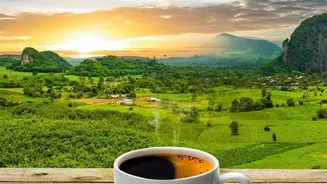
This trend is not just about appreciating the rain; it's part of a larger movement in travel philosophy known as 'slow travel'. Moving away from checklist-style tourism, where the goal is to see as much as possible in a short time, slow travellers prioritise deep, immersive experiences. The goal is to connect with a single location, its culture, and its daily rhythms. Coorg during the monsoon is the perfect setting for this approach. The weather itself encourages a more relaxed pace, making it ideal for spending long afternoons reading on a covered veranda, taking leisurely walks through rain-washed coffee plantations, and engaging in long conversations over a cup of freshly brewed local coffee. It’s a conscious choice to trade a packed itinerary for a restorative and meaningful connection with the destination.
The Authentic Homestay Experience
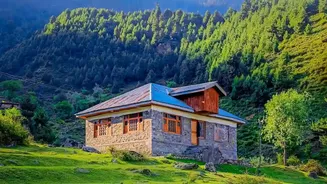
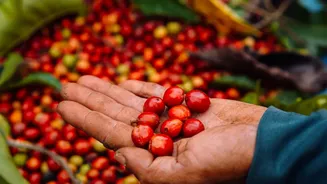
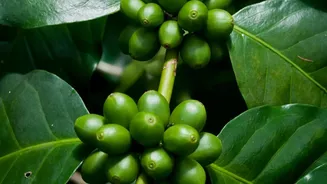
At the heart of this monsoon surge are the region's famed coffee estate homestays. These are not sterile hotels but family-run homes and bungalows nestled within sprawling plantations, offering an authentic glimpse into the Kodava way of life. Staying in one is an experience for all the senses: the earthy aroma of coffee blossoms mingling with the fragrance of spice gardens, the taste of home-cooked Pandi Curry, and the warmth of local hospitality. Many hosts offer guided plantation walks, explaining the journey of coffee from bean to cup, and share stories about the region's unique culture. These stays provide more than just a room; they offer a sense of place and a direct line to the local economy, ensuring that tourist spending benefits the community more broadly.
A Sustainable Future for the Scotland of India
The growing popularity of monsoon and slow travel in Coorg represents a significant and positive shift. It extends the tourist season, providing a more stable, year-round income for local businesses, particularly small homestay owners. While traditionally a time for lower tariffs, the increasing demand is a welcome boost for the local economy. This model of tourism, which favours smaller, locally-owned establishments over large corporate resorts, helps distribute revenue more evenly throughout the community. However, this surge also underscores the need for sustainable practices and infrastructure improvements to handle the influx without compromising the very tranquility and natural beauty that travellers seek. The focus on eco-friendly accommodations and mindful travel is a step in the right direction, ensuring Coorg's monsoon magic can be experienced by generations to come.