




The Vision for a Modern Food Hub
Recent proposals from mid-2026 signal a concerted effort to revolutionise Madurai's public eating spaces. In late June, a team from the Union Ministry of Housing and Urban Affairs inspected a proposed site at the Mattuthavani bus stand, earmarking it for a 'Clean
and Healthy Food Street'. This is part of a wider state-level initiative to establish pilot projects in six major Tamil Nadu cities, including Madurai, aiming to set new benchmarks in food safety and public hygiene. Additionally, in July 2026, local legislators proposed a major redevelopment around the historic Mariamman Teppakulam, which involves relocating the numerous food vendors to a new, purpose-built food street equipped with modern amenities. These plans represent a move away from sporadic enforcement towards a structured integration of street food into the city's formal fabric.
A Blueprint for Hygiene and Order
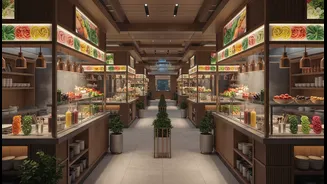
The core of Madurai's ambitious plan is not just to relocate vendors, but to create a comprehensive ecosystem. The proposed 'Healthy and Hygienic Food Streets' are designed to be models of best practice. The blueprint includes standardising food stalls, providing financial assistance to vendors for the initial investment, and ensuring FSSAI compliance. Key features of these new spaces will include proper seating arrangements, access to clean drinking water, and systematic waste management to tackle cleanliness issues. In a significant public health move, officials also plan to administer typhoid vaccinations to all food handlers, from cooks to servers, to protect the public from food-borne illnesses. This holistic approach ensures the project is about public health and dignity as much as it is about food.
Solving an Urban Puzzle
For years, Madurai, like many Indian cities, has grappled with the challenge of managing its informal food sector. While iconic food hubs like Simmakkal are cultural treasures, their unregulated nature contributes to traffic congestion and sanitation challenges. In 2025, around 400 street food establishments were cleared from the Bypass Road due to traffic concerns, highlighting the need for a sustainable solution that doesn't just displace vendors but provides a viable alternative. The new food street proposals are a direct response to this dilemma. By creating designated zones, the city aims to declutter public spaces, improve traffic flow, and offer vendors a legitimate, stable environment to conduct their business. This strategy acknowledges the vital role street food vendors play in the urban economy and seeks to empower them rather than marginalise them.
Preserving a Culinary Treasure
Madurai's identity is inseparable from its food. Known as 'Thoonga Nagaram' (the city that never sleeps), its streets offer an endless procession of delicacies, from the legendary Kari Dosa and fluffy Bun Parottas to the cooling Jigarthanda. This rich culinary heritage is a massive draw for tourists and a cornerstone of local life. The new initiative is designed to preserve and elevate this culture. By providing a clean, safe, and welcoming environment, the city hopes to make its street food more accessible to families and tourists who might be hesitant due to hygiene concerns. An organised food street not only celebrates the city’s gastronomic legacy but also enhances its appeal as a premier food tourism destination, promising a significant boost to the local economy while retaining the authentic flavours that define Madurai.