







An Uneven and Underwhelming Monsoon
The Southwest Monsoon is the lifeblood of India's agriculture, with nearly 70% of the country's annual rainfall arriving between June and September. This year, however, the performance has been worrying. As of mid-August 2026, the all-India rainfall deficit
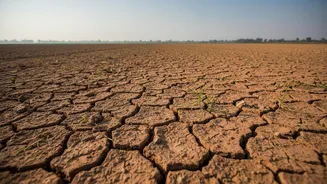
was stuck at around 12% below the long-period average. After a very dry June, a recovery in July wasn't enough to close the gap, and forecasts for the rest of August and September suggest continued below-normal rainfall. More concerning than the national average is the erratic distribution. While some regions have seen floods, many key agricultural belts are experiencing prolonged dry spells. Experts note that one or two days of heavy showers cannot compensate for weeks of insufficient moisture, which is critical for crops at this stage. This inconsistency, driven partly by El Niño conditions, is creating significant stress on the agricultural sector.
The Direct Hit on Kharif Crops
The monsoon's weakness directly impacts the Kharif sowing season, when farmers plant crucial crops like rice, pulses, oilseeds, and cotton. According to recent data from the Agriculture Ministry, the total area sown with Kharif crops is about 2% lower than last year. Key staples have seen significant declines in acreage: rice is down by 3.7%, and major pulses like tur (arhar) are down by 4%. With the sowing window nearly closed, the nation's food output now depends heavily on the yields of standing crops. These crops are entering a critical growth phase where they need consistent moisture. Prolonged dry spells from now on could severely damage yields for vulnerable rainfed crops like soybean, tur, and upland paddy, even in areas where sowing was completed.
From Farm Distress to Market Inflation
The connection between a poor harvest and higher prices at your local market is a classic case of supply and demand. Lower crop yields mean less produce makes it to the wholesale markets, or 'mandis'. This tightening of supply naturally pushes prices up. The impact is already visible. While some staples like potatoes have become cheaper, the prices of everyday essentials like onions, ginger, and garlic have surged. Food inflation rose to 5.52% in July, with prices of many vegetables, pulses, and edible oils climbing. Even the humble free bunch of coriander (dhaniya) has become a luxury in some markets, with prices crossing ₹200 per kilogram due to supply disruptions. These price shocks hit low and middle-income households the hardest, as food constitutes a significant portion of their monthly spending.
The Broader Economic Ripple Effect
The consequences of a weak monsoon extend far beyond the kitchen. The Reserve Bank of India (RBI) has repeatedly flagged a poor monsoon as a key risk to India's inflation outlook. While the central bank recently held interest rates steady, persistent food inflation could complicate future policy decisions aimed at balancing growth and price stability. A struggling agricultural sector also dampens the rural economy. Lower farm incomes reduce purchasing power, affecting demand for everything from tractors and two-wheelers to everyday consumer goods. This can create a drag on overall economic growth. In response, government bodies have been holding contingency meetings, advising farmers in deficient areas to switch to less water-intensive crops to mitigate losses.