
Mastering Monsoon Rainfall and Drainage
The single biggest challenge for container gardening in August is not a lack of water, but an excess of it. Heavy monsoon showers can quickly lead to waterlogged soil, which suffocates roots and invites fungal diseases. Your first priority is ensuring
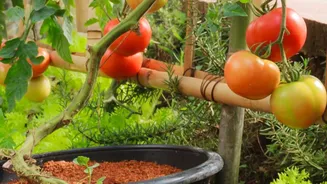
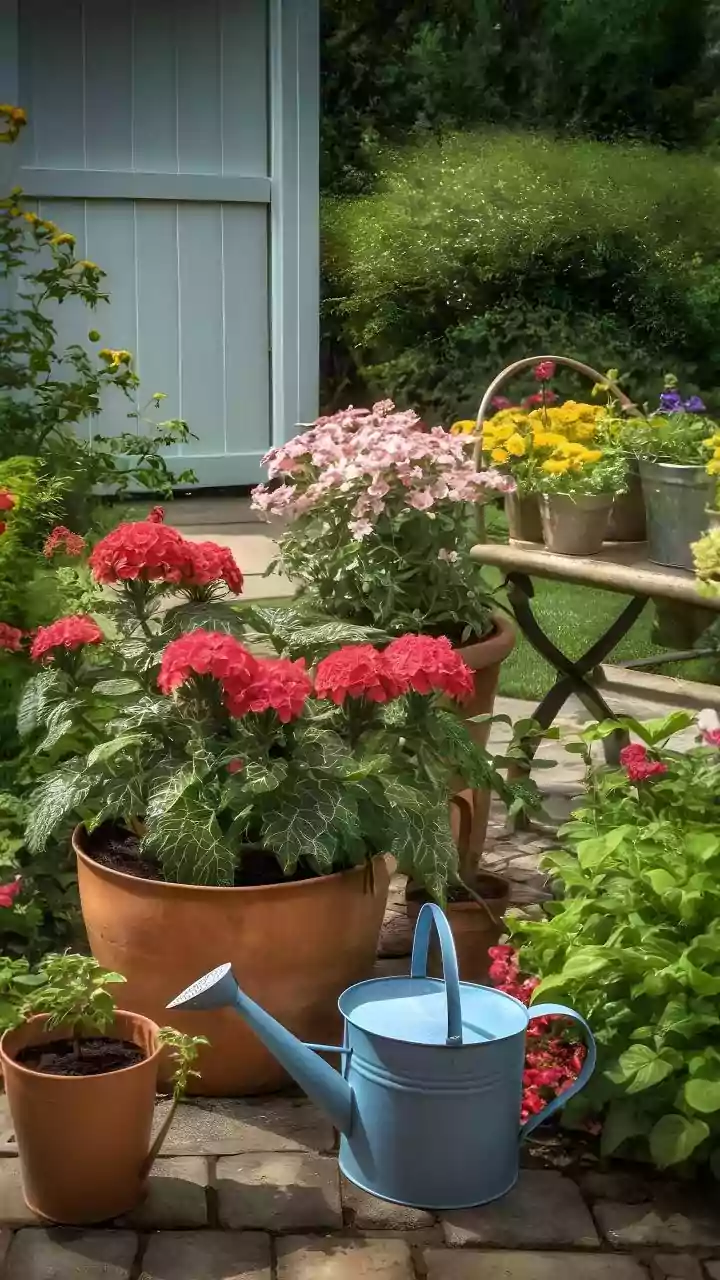
excellent drainage. Start by choosing pots with multiple drainage holes. If your favourite decorative pot lacks them, it's essential to drill a few before planting. Next, create a well-aerated soil mix. Amending standard potting soil with sand and coco-peat improves its structure, allowing excess water to pass through freely instead of compacting the soil. For extra protection, you can elevate your pots on bricks or planter feet. This simple trick prevents them from sitting in puddles and improves airflow underneath the container, helping the soil dry out more evenly between downpours.
Chasing the August Sunlight
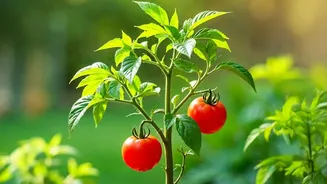
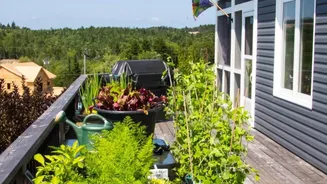
After the rain, the next hurdle is sunlight. Monsoon skies are often overcast, and many vegetables need at least five to six hours of direct sunlight to thrive. Fruiting vegetables like tomatoes or beans are even more demanding. Before you sow, take a day to observe your balcony or terrace. Identify the spots that receive the most consistent sun, even on a cloudy day—this is usually a south or west-facing area. Place your sun-loving plants there. For plants that receive light from only one direction, rotate the pots every few days to ensure all sides of the plant get some exposure. This encourages even growth and prevents the plant from leaning excessively towards the light source. For very delicate seedlings, you might consider a temporary, clear cover during continuous heavy rain, ensuring the sides are open for airflow.
Container Depth and Soil Choice
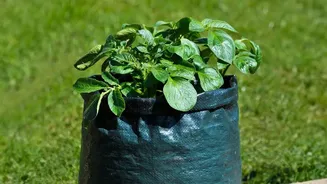
Not all containers are created equal, and size matters—especially depth. The type of vegetable you plan to grow dictates the pot size. Fast-growing leafy greens like spinach and coriander can do well in containers that are 6-8 inches deep. However, if you're dreaming of harvesting your own root vegetables, you need to provide them with ample room to grow downwards. For crops like carrots, radishes, and beetroot, choose pots that are at least 12-14 inches deep. Using a shallower pot will result in stunted or malformed roots. As mentioned, your soil mix is critical. A quality potting soil mixed with organic matter like compost provides nutrients, while additives like perlite or sand ensure the mix remains light and doesn't become waterlogged.
Your August Sowing Checklist: Vegetables
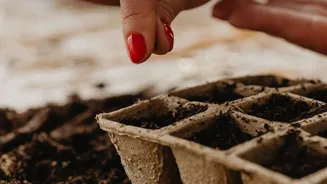
August is an excellent time for sowing a variety of vegetables that thrive in the warm and humid monsoon conditions. Okra (Bhindi) is a reliable monsoon crop that loves the humidity. Quick-growing leafy greens are also a fantastic choice. Consider sowing spinach (Palak), coriander (Dhania), and amaranth (Chauli), which can be ready for harvesting in just a few weeks. This month is also perfect for starting root vegetables like radish (Mooli), carrots (Gajar), and beetroot. Beans, both bush and climbing varieties, also perform exceptionally well when sown in August. For those with more space and a sturdy trellis, various gourds can also be planted now.
Your August Sowing Checklist: Flowers
It's not just about vegetables; August is a key month for sowing flowers, especially for the upcoming festival season. Marigolds (Genda) are a classic choice, known for their vibrant colours and cultural significance; planting them now ensures blooms are ready by late autumn. Other monsoon-friendly flowers include the easy-to-grow Cosmos, which features delicate, daisy-like blooms, and the resilient Zinnia, which attracts butterflies. Balsam, often called the 'monsoon flower,' thrives in this weather, producing colourful flowers along its stems. These flowers not only add beauty to your space but also attract pollinators, which can benefit your vegetable plants.