
The Ramayana is filled with timeless tales of heroism, but few are as poignant as the story of Jatayu. This noble vulture-king sacrificed his life to save Sita from Ravana, becoming a powerful symbol of courage and selfless duty.
The Story of a Hero
In the epic, Jatayu, an
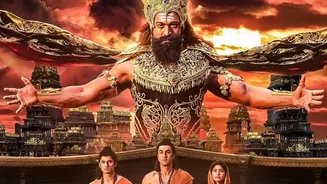
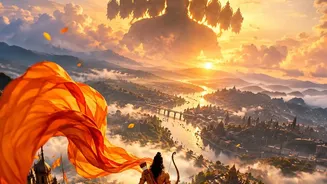
old friend of King Dasharatha, confronts the demon king Ravana as he abducts Sita and flies towards Lanka. Though old, Jatayu fights valiantly but is ultimately overpowered. Ravana clips his wings, and the mortally wounded bird falls to earth. He lives just long enough to inform Rama and Lakshmana of what transpired, providing a crucial clue in their quest to find Sita. Rama, moved by his loyalty, performs his final rites, granting him moksha or liberation. This powerful story is not just confined to the pages of the epic; it is etched into the landscape of India, with several places claiming a connection to Jatayu's final moments. These sites have become sacred destinations for pilgrims and cultural travellers alike, each offering a unique window into the living tradition of the Ramayana.
Jatayu Earth's Center, Kerala
Perhaps the most dramatic tribute to Jatayu is found at Chadayamangalam in Kerala. Local tradition holds that this rocky hillock, now known as Jatayupara, is where the great bird fell after his battle. The site is now home to the Jatayu Earth's Center, a sprawling park that features the world's largest bird sculpture. Designed by filmmaker and sculptor Rajiv Anchal, the colossal concrete statue is 200 feet long and depicts Jatayu lying on his back, wounded but defiant. Visitors can take a cable car to the top of the hill to see the sculpture up close. The sculpture itself houses a museum and a multi-dimensional theatre that retells the epic battle. The park also combines this mythological reverence with eco-tourism, offering adventure activities like rock climbing and trekking, making it a destination for both spiritual seekers and adventure enthusiasts.
Lepakshi, Andhra Pradesh
Another prominent site linked to Jatayu's fall is Lepakshi, a historic town in Andhra Pradesh. According to this tradition, when a wounded Jatayu fell, Rama found him and gently commanded him to rise with the words 'Le Pakshi' — Telugu for 'Rise, O Bird'. This phrase is said to have given the village its name. A large footprint in the area is revered by some as belonging to Sita. While the Kerala sculpture depicts a fallen Jatayu, a tribute sculpture in Lepakshi shows the bird standing upright, ready for flight. The area is also famous for the magnificent 16th-century Veerabhadra Temple, a marvel of Vijayanagara architecture renowned for its intricate carvings, musical pillars, and a massive monolithic Nandi statue.
Sites of Final Rites and Salvation
The story continues beyond where Jatayu fell, with other locations commemorating his final rites and salvation. In Tamil Nadu, the Vijayaraghava Perumal Temple at Thiruputkuzhi, near Kanchipuram, is believed to be where Rama performed Jatayu's cremation. The name of the town itself is said to derive from words meaning 'sacred bird pit'. The temple complex includes a sacred water body called Jatayu Theertham, where the bird is said to have fallen. Another temple near Kumbakonam, Thirupullabhoothangudi, is also revered as a 'Jatayu Moksha Sthalam', a place associated with the bird attaining salvation.
The Maharashtra Connection
A different regional tradition places Jatayu's story in Maharashtra, near Nashik. This area, which includes Panchavati, is closely tied to Rama's exile and the site of Sita's abduction. The Sarvatirtha Jatayu Mandir in Taked is built on the belief that this was Jatayu's home, which allowed him to quickly intercept Ravana. Legend here states that after Jatayu fell, a thirsty Rama shot an arrow into the ground to summon water from all holy rivers to give the dying bird a final drink. This temple provides yet another geographical anchor to the epic, illustrating how different regions across India have embraced and localised the story.