
The End of the Off-Season
The traditional travel calendar in India is being redrawn. What was once considered the 'off-season' is now a burgeoning period for domestic tourism. Recent data shows a dramatic uptick in travel during the rainy months, with hotel bookings surging by
over 50% year-on-year. This isn't just a fleeting trend; it's a fundamental change in how Indians are approaching their holidays. Travellers, especially younger millennials and Gen Z, are opting for shorter, more frequent 'micro-cations' and are increasingly drawn to the unique appeal of the monsoon. The motivations are clear: fewer crowds, lower prices, and the chance to see the country's landscapes at their most vibrant and dramatic.
Chasing Waterfalls in the Western Ghats
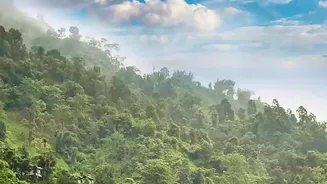
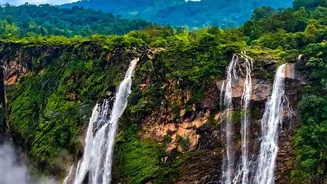
Nowhere is the monsoon transformation more spectacular than in the Western Ghats. Destinations across Kerala, Karnataka, and Maharashtra shed their dry summer look and explode into a thousand shades of green. Hill stations like Lonavala and Mahabaleshwar become misty wonderlands, with waterfalls cascading down hillsides and a cool breeze replacing the oppressive summer heat. In Kerala, places like Munnar and Wayanad see a massive influx of visitors, with hotel bookings in Wayanad reportedly jumping by over 160%. The appeal lies in the immersive experience: sipping hot tea while watching the clouds drift over tea plantations, trekking on slick, moss-covered trails, and witnessing the sheer power of waterfalls like Abbey Falls in Coorg.
Beyond the Hills: A Rain-Kissed Renaissance
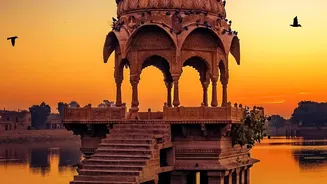
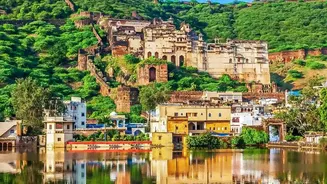
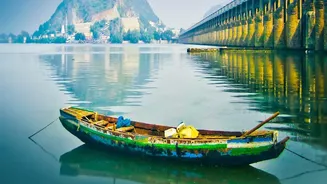
The monsoon's allure isn't limited to the mountains. In Rajasthan, cities like Udaipur see their famous lakes swell, reflecting the grey-blue monsoon sky and offering a romantic, serene atmosphere that is a world away from the desert heat. Goa, often associated with sunny beaches, reveals a quieter, more tranquil side. The paddy fields turn a brilliant green, the tourist rush subsides, and the focus shifts to enjoying the lush scenery and overflowing waterfalls like Dudhsagar. Even the Northeast has become a monsoon hotspot, with Nagaland and Arunachal Pradesh seeing a more than 60% year-on-year increase in flight bookings from travellers seeking untouched natural beauty.
A Shift Towards Experience-Led Travel
This trend is about more than just pretty scenery; it reflects a deeper shift towards experience-led travel. Travellers are no longer just ticking off destinations from a list. They are seeking specific experiences: wellness and spiritual retreats in places like Rishikesh, cultural immersion in heritage cities, or simply the chance to disconnect in nature. The monsoon, with its slower pace and reflective mood, is perfectly suited for this. It's a time when Ayurveda treatments in Kerala are said to be most effective, and when the simple act of watching the rain from a cozy hotel room becomes an experience in itself. This desire for authenticity is driving people away from crowded tourist traps and towards more meaningful getaways.
A Smart Traveller's Guide to the Monsoon
Embracing a monsoon trip does require some planning. While the season offers benefits like lower hotel rates, it's wise to book travel and accommodation 30 to 60 days in advance to secure the best deals. Packing is key: lightweight waterproof jackets, quick-dry clothing, and sturdy footwear with good grip are essential. Be aware that some areas, particularly in the Himalayas, can be prone to landslides, so always check local conditions before travelling. Also, remember that many national parks are closed during this period, so tiger safaris are generally off the table. But for those willing to be flexible, the rewards—from quieter attractions to breathtaking landscapes—are immense.