

Finding the Right Space
The first step is to designate a specific area as your monsoon drying zone. This doesn't have to be a separate room; a small corner of your entryway, a section of your balcony, or a utility area can work perfectly. The ideal spot should have good air
circulation to prevent musty smells. If possible, choose a space with a tiled or stone floor that is easy to wipe clean. For wooden or carpeted areas, place a large waterproof mat to protect your flooring from water damage and mud. The goal is to contain the wetness in one manageable area, so anything that comes in soaked—from raincoats to shoes—stops here first. Think of it as a buffer between the wet outdoors and your clean, dry home.
The Shoe and Footwear Station
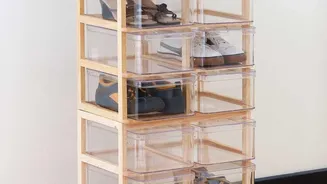
Wet shoes are a primary culprit for dampness and odour. Improper drying can ruin them and lead to fungal growth. Create a dedicated station for footwear within your drying zone. An open-shelf shoe rack is ideal because it allows air to circulate freely. For shoes that are completely soaked, the first step is to stuff them with crumpled newspaper. Newspaper is highly absorbent and will draw out a significant amount of moisture. Replace the damp newspaper every few hours until the shoes are mostly dry. Once the excess water is gone, you can place them on the rack. For faster drying, you can direct a fan towards the shoe rack. To combat odours, consider placing silica gel packets or camphor balls in or near the shoes. It's also wise to rotate between at least two pairs of footwear during the monsoon to give each pair ample time to dry out completely.
Managing Umbrellas and Raincoats
A dripping umbrella can create a surprisingly large puddle. Instead of leaning it in a corner where it can create a slipping hazard and cause water damage, have a dedicated spot for it. An umbrella stand with a solid base to collect water is a simple and effective solution. If you don't have a stand, a large bucket or planter can serve the same purpose. Before bringing it fully inside, give the umbrella a good shake outdoors to remove excess water. To ensure it dries properly and to prevent rust and mildew, it's best to leave the umbrella open to air dry completely. You can do this in a shower or a covered balcony. For raincoats, hang them on hooks installed in your drying zone. This allows them to drip dry without making a mess on furniture or walls.
Essential Accessories for Your Zone
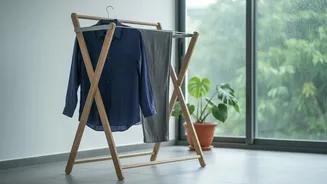
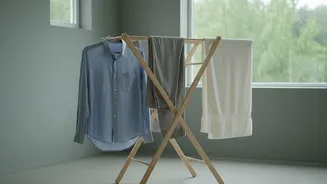
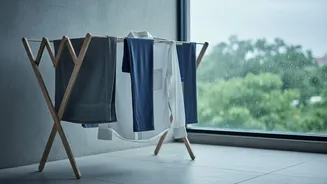
A few key items can elevate your drying zone from a simple corner to a highly efficient system. Absorbent coir or rubber doormats are a must at the entrance to trap mud and water at the source. A foldable clothes drying rack is invaluable for hanging damp clothes, towels, or even drying shoes. These can be easily set up when needed and stored away when not in use. Consider investing in a small dehumidifier if you live in an area with very high humidity; it works wonders by pulling moisture from the air, which helps everything dry faster. For a more natural approach, place bowls of coarse salt or activated charcoal in the area, as they are excellent natural moisture absorbers.
Preventing Dampness and Odours
The biggest challenge during monsoon is combating the persistent dampness and the musty smell that comes with it. Ventilation is your greatest ally. Whenever the rain lets up, open windows on opposite sides of your home to encourage cross-ventilation. Using exhaust fans in kitchens and bathrooms can also help pull moist air out of the house. To keep your home smelling fresh, use natural solutions. Camphor balls, dried neem leaves, or cloves placed in cupboards and corners not only absorb moisture but also act as natural repellents for insects. Scented candles can help mask odours and also slightly reduce humidity in a small area. Regularly wiping down surfaces in your drying zone with a mild disinfectant will also prevent the growth of mould and mildew.