






The Old System is Learning New Tricks
For decades, pet licensing in India was a straightforward, if often overlooked, affair primarily concerning dogs. Municipal corporations in major cities like Mumbai, Delhi, and Bengaluru required owners to obtain a license, mainly as a public health measure
to ensure rabies vaccination. This system, however, is undergoing a significant digital transformation. The old paper-based licenses are giving way to online portals and comprehensive digital databases that aim to create a more robust framework for responsible pet ownership. This shift isn't just about moving online; it's about expanding the very definition of what and who gets registered.
Feline Formalities: Cats Join the Roster
The most significant change in this new chapter of pet governance is the inclusion of cats. Cities like Pune, Lucknow, and Ahmedabad have started to mandate the registration of pet cats, a move that was previously unheard of. Previously, civic bodies almost exclusively focused on dogs. The Pune Municipal Corporation (PMC), for instance, now urges cat owners to register their pets through its online portal, requiring proof of anti-rabies vaccination, similar to the rules for dogs. Lucknow has also brought pet cats under its licensing framework, citing public health goals and the desire for a more complete system for tracking companion animals. Ahmedabad followed suit, setting a deadline for cat owners to register their pets, reflecting a broader trend towards regulating all companion animals in urban spaces.
Beyond the License: What a Digital Record Holds
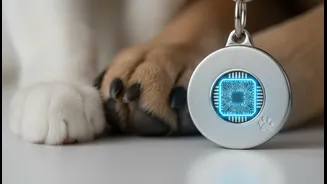
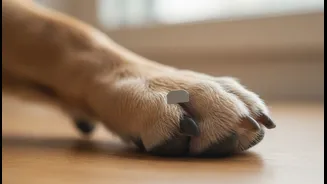
The term 'broader digital records' signals a move towards a more holistic pet identity. The new systems are designed to be more than just a registry; they are becoming comprehensive digital profiles. These records often include vaccination history, sterilization status, and owner contact information. Some cities are going a step further. In Chennai, for example, obtaining a pet license now requires the animal to be microchipped. The microchip's unique ID is linked to the digital record, creating a permanent and tamper-proof form of identification. This technology is invaluable for reuniting lost pets with their owners. Similarly, some municipal bodies like in Pune and Mumbai are exploring QR code-enabled tags. A quick scan of the tag on a pet's collar can reveal essential details, helping both authorities and Good Samaritans.
The Civic Motivation
Why are cities investing in this digital upgrade? The primary driver is public health, particularly the goal of eliminating rabies by 2030, a national target. Mandatory registration ensures a verifiable record of vaccinated animals, which is crucial for disease control. Beyond health, digital records help in managing urban animal populations, resolving ownership disputes, and addressing complaints about pet-related nuisances in housing societies. These systems also create a formal link of accountability between a pet and its owner. In case of a dog bite or abandonment, a digital trail makes it easier to identify and contact the responsible individual. While fee collection does generate some revenue, officials maintain the main goal is better governance and community safety.
What It Means for Pet Parents
For the growing number of pet parents in India, this digital shift brings both new responsibilities and benefits. The process is now more streamlined, with many cities offering online portals for registration and renewal. The key requirements are generally proof of address, an anti-rabies certificate, and a photograph of the pet. The benefits are clear: a digital license is indisputable proof of ownership, and technologies like microchips and QR codes drastically increase the chances of being reunited with a lost pet. However, it also means that owners who fail to register their pets could face fines or other penalties. This move formalises the role of a pet owner, embedding it within the civic and digital infrastructure of the city.