


Why Drainage Is Non-Negotiable
Chilli plants, including Thai varieties, are notoriously fussy about having 'wet feet'. The primary reason your pot must have drainage holes is to prevent waterlogging. When water has no escape route, it saturates the soil, cutting off the oxygen supply
to the roots. This suffocates the root system, leading to a deadly condition known as root rot. The signs of overwatering can be misleading; a plant with rotting roots will often have drooping, yellowing leaves, which a beginner might mistake for thirst, prompting them to add even more water. Good drainage allows excess water to escape freely, maintaining the crucial balance of moisture and air that roots need to thrive, absorb nutrients, and fight off fungal diseases that flourish in damp conditions.
Choosing the Right Pot Size
Size matters significantly when it comes to container gardening. For a Thai chilli plant, a pot that is too small will restrict root growth and ultimately limit the plant's size and yield. A good starting point for a mature Thai chilli plant is a container that is at least 12 inches deep and holds around 5 gallons (approximately 19 litres). Some dedicated growers use even larger pots, up to 10 or 15 gallons, to allow for a more extensive root system. However, it's also wise not to start a tiny seedling in a massive pot. A common practice is to pot up incrementally, moving the plant to a slightly larger container as it grows. This prevents the small root system from being overwhelmed by a large volume of wet soil. Check for roots emerging from the drainage holes as a sign it's time to upgrade.
Pot Materials: Terracotta vs. Plastic
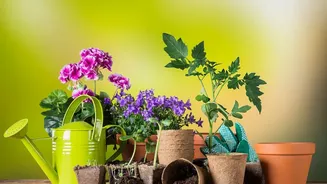
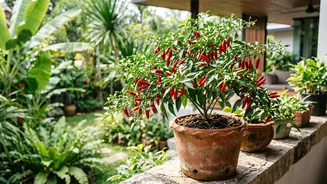
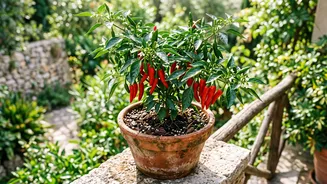
The two most common pot materials are terracotta (clay) and plastic, each with distinct advantages. Plastic pots are lightweight, inexpensive, and excellent at retaining moisture, meaning you'll water less frequently. This can be a benefit, but also a risk, as it's easier to overwater if drainage is poor. On the other hand, terracotta pots are porous, allowing air and moisture to pass through the walls. This promotes better aeration for the roots and helps the soil dry out faster, reducing the risk of root rot—a significant plus for chilli plants. However, they are heavier, more fragile, and require more frequent watering, especially during hot weather. For chillies, terracotta is often an excellent choice due to its breathability, but plastic pots are perfectly suitable as long as you monitor soil moisture carefully.
How to Ensure Adequate Drainage
When you pick a pot, turn it over and inspect the bottom. Ideally, you want to see at least one large drainage hole or several smaller ones. If you fall in love with a decorative pot that has no holes, you have two options: either drill them yourself using an appropriate drill bit or use it as a 'cachepot'. This means you keep your chilli plant in a plain plastic pot with drainage holes that fits inside the decorative one. After watering, simply lift the inner pot out and discard any excess water that has collected at the bottom of the cachepot. Never let your plant sit in a saucer full of runoff water, as this effectively defeats the purpose of drainage holes by allowing the soil to reabsorb the excess moisture.
The Right Soil for a Draining Pot
A pot with great drainage is only half the battle; the soil inside must also be well-draining. Using heavy, compacted garden soil will prevent water from moving through the pot, regardless of how many holes it has. Instead, opt for a high-quality potting mix designed for containers. To further improve drainage and aeration, amend this mix with perlite or vermiculite. A good recipe is a combination of potting soil, compost for nutrients, and about 10-20% perlite to create air pockets and allow water to flow through easily. This loamy, well-aerated mixture ensures that even when you water thoroughly, the soil retains moisture without becoming a soggy swamp.