
A Taste of Southern Italy
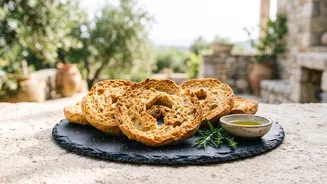
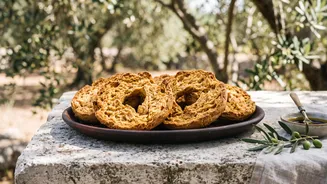
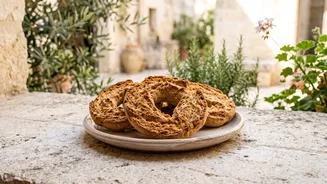
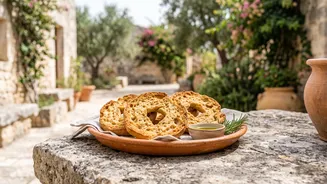
Friselle, also known as frise or freselle depending on the region, is a rustic, ring-shaped bread hailing from Southern Italy, particularly Puglia, Calabria, and Campania. At first glance, it might look like a hard, dry bagel. Made from simple ingredients
like durum wheat or barley flour, water, yeast, and salt, its true character isn't its softness but its incredible crunch and historical significance. This isn't the kind of bread you'd use for a soft sandwich; it’s a unique culinary product designed with a specific purpose in mind: longevity.
The Art of the Double Bake
The secret to friselle's remarkable shelf life lies in its preparation, a process known as 'bis-cotto', or twice-baked. First, the dough is shaped into rings and baked until cooked through. Then, while still warm, the rings are cut horizontally in half and placed back into the oven for a second, slower bake at a lower temperature. This second round in the oven is crucial; it draws out nearly all the remaining moisture, transforming the bread into a hard, dry, and incredibly durable rusk. The result is a bread with a rough, porous top perfect for soaking up flavor and a smooth, hard bottom.
A Pantry Staple Born from Necessity
Friselle was born out of a practical need. Centuries ago, before refrigeration, there was a pressing need for food that wouldn't spoil. For sailors on long sea voyages and farmers working distant fields, friselle was the perfect solution. Its dry, hard nature meant it could be stored for months without fear of mould or going stale. This earned it the nickname 'the bread of the Crusaders', as it was a vital provision for those on long journeys. Sailors would simply dip the hard bread into seawater to soften it, a testament to its rustic origins.
Bringing Friselle Back to Life
To eat friselle, you must first rehydrate it, a ritual called 'sponzare' in Italian. Biting into a dry one is not recommended. The traditional method is to quickly pass it under cold running water for a few seconds or briefly dunk it in a bowl of water. The goal is to soften the interior while leaving a bit of its signature crunch, not to turn it into a soggy mess. Once rehydrated, the fun begins. The classic and most beloved topping, especially in the summer, involves rubbing the bread with a clove of garlic and then piling on chopped ripe tomatoes, a generous drizzle of extra virgin olive oil, salt, and a sprinkle of oregano. The porous surface of the frisella soaks up the tomato juice and oil, creating a perfect bite that is both fresh and satisfying.
Versatility in the Modern Kitchen
While the classic tomato topping is hard to beat, friselle is an incredibly versatile base for countless other creations. In Campania, you might find it topped with anchovies and olives. Some modern variations include creamy burrata broken over the top, tuna and capers, or even avocado for an Italian twist on avocado toast. You can also break the softened friselle into pieces and toss it into a salad, similar to a Tuscan panzanella. From simple snacks to elegant appetizers for dinner parties, this ancient bread proves its adaptability in the contemporary kitchen, offering a crunchy foundation for almost any flavor you can imagine.