






The Unique Charm of a Monsoon Safari
Contrary to popular belief, the safari season doesn't end when the rains begin. While the core zones of many famous tiger reserves in Central and North India close from July to September, their buffer zones often remain open. More importantly, several
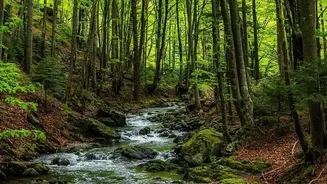
incredible parks in South India and the Himalayan rain shadow stay open year-round, offering a completely different experience. The monsoon transforms the landscape into a lush, vibrant paradise. Dust settles, the air is clean, and the forests are bursting with life. With fewer tourists, you get a more serene and intimate encounter with nature. The cooler temperatures mean animals can be active for longer parts of the day, and the verdant backdrop makes for stunning photography.
Periyar National Park, Kerala
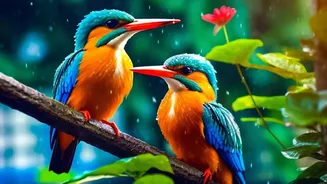
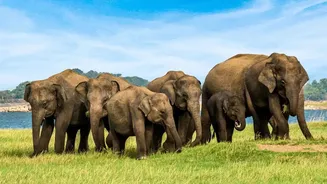
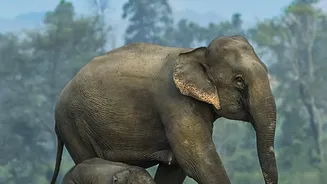
Periyar in Kerala is one of the few national parks that is not only open during the monsoon but is arguably at its best. The sanctuary, set around the beautiful Periyar Lake, comes alive with the rains. The primary way to experience the park is via a boat safari on the lake, which offers a unique vantage point. Herds of elephants are a common sight, often seen playing and socialising by the water's edge. You can also spot sambar, barking deer, wild pigs, and a variety of monkeys. For birdwatchers, it’s a haven, with chances to see the great Malabar hornbill, kingfishers, and cormorants. The entire landscape is awash in fresh greenery, with orchids blooming wild, making it a picturesque and tranquil escape.
Kabini (Nagarhole National Park), Karnataka
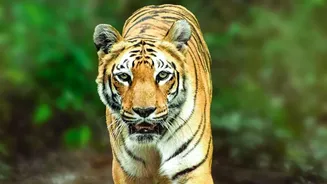
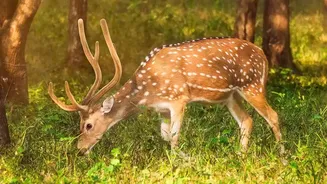
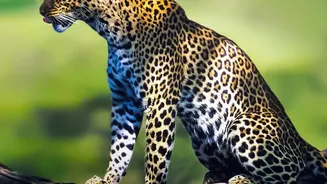
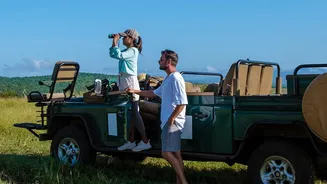
Part of the Nilgiri Biosphere Reserve, Nagarhole National Park, especially the area around the Kabini River, remains open year-round and is a premier wildlife destination. A tributary of the Kaveri, the Kabini River separates Nagarhole and Bandipur National Parks. This region is famed for its high density of predators, and even during the monsoon, sightings of leopards and tigers are possible. The park is also home to large populations of Asiatic elephants, gaur (Indian bison), and various deer species. The monsoon transforms the dry deciduous forest into a vibrant green spectacle. Safaris here are conducted by both jeep and boat on the Kabini backwaters, offering diverse wildlife viewing opportunities in a lush, rain-washed setting with fewer crowds.
Hemis National Park, Ladakh
For a truly different August safari, head to the high altitudes of Ladakh. Hemis National Park, located in a rain shadow region of the Himalayas, receives very little rainfall, making the months of May to September the best time to visit. This vast, rugged park is globally famous for its population of the elusive snow leopard, although spotting one in summer is rare. However, the park is teeming with other unique high-altitude wildlife. Visitors can frequently see blue sheep (bharal), Ladakhi urials (a type of wild sheep), and Himalayan marmots. You might also spot the Eurasian brown bear, Tibetan wolf, or red fox. Access to the park is primarily on foot through trekking, offering an immersive experience in a starkly beautiful and tranquil landscape.
Buffer Zones of Northern Parks
If you have your heart set on the classic tiger reserves of North India, an August trip is still possible. While the core areas of parks like Jim Corbett in Uttarakhand and Ranthambore in Rajasthan are closed, specific buffer zones remain accessible to tourists. In Jim Corbett, India’s oldest national park, the Jhirna and Dhela zones are open year-round for jeep safaris. Similarly, in Ranthambore, zones 6 through 10 typically stay open during the monsoon. While wildlife sightings might be more challenging due to the dense foliage, the experience is incredibly rewarding. The forests are green and serene, and you’ll have a chance to spot tigers, leopards, and other wildlife without the usual peak-season crowds.
Tips for a Monsoon Wildlife Trip
A monsoon safari requires a bit of specific preparation. Pack lightweight, quick-drying clothes and a reliable raincoat or poncho. Waterproof footwear is essential, and leech-proof socks are a wise addition for treks in the Western Ghats, like in Periyar. Protect your camera and binoculars with waterproof bags or covers. Since safari routes can sometimes be affected by heavy rain, it’s important to be flexible with your plans and check conditions with your lodge or tour operator. Booking your safaris and accommodation in advance is still recommended, even though it's the off-season, to ensure a smooth trip.