

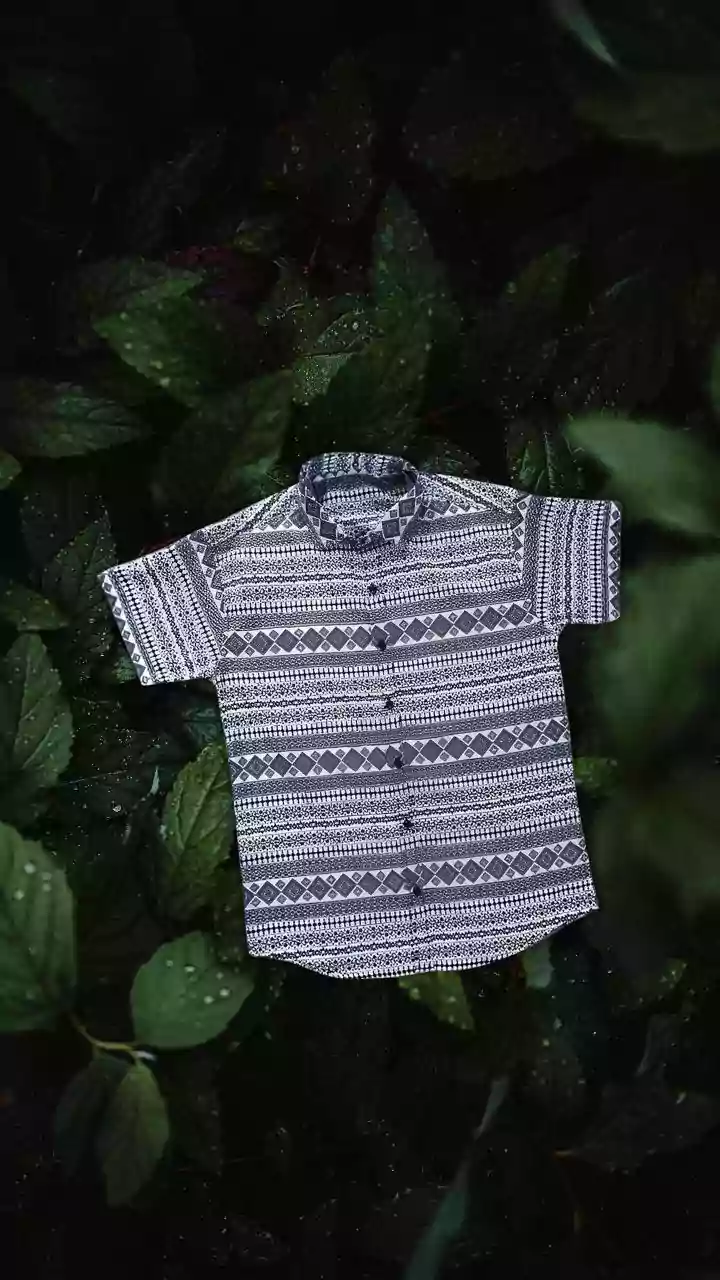



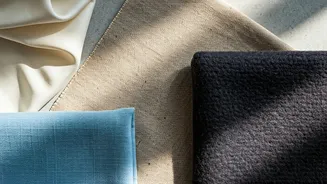


The Long-Held Belief: Cotton is King
For generations, cotton has been the default fabric for hot weather, and for good reason. It's a natural fibre, making it soft, lightweight, and generally breathable. The structure of cotton allows air to circulate, which helps carry heat away from your
body. This breathability is why a crisp cotton shirt or a simple kurta feels so comfortable on a dry, hot day. It effectively absorbs sweat, pulling moisture away from your skin, which can provide a cooling sensation as it evaporates. This simple mechanism has cemented its reputation as the ultimate summer-friendly fabric, a staple in every Indian wardrobe.
The Humid Twist: Why Cotton Fails
The problem begins when high humidity enters the equation. Humidity is the measure of moisture in the air. When the air is already saturated with water vapour, sweat evaporates from your skin—and your clothes—much more slowly. This is where cotton's greatest strength becomes its biggest weakness. Cotton is hydrophilic, meaning it loves water. In fact, it can absorb up to 27 times its own weight in water. While it's great at soaking up sweat, it's terrible at releasing it quickly. The fabric becomes saturated, heavy, and starts to cling to your skin, making you feel damp and uncomfortable. Instead of cooling you down, a wet cotton garment in a humid environment traps a layer of moisture against your body, slowing down the body's natural cooling process.
The Science of Discomfort
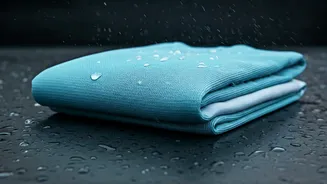
The science behind this is straightforward. Cotton fibres are primarily made of cellulose, a substance whose molecular structure naturally attracts and binds with water molecules. The fibres also act like tiny straws, drawing water in through a process called capillary action. In dry heat, this absorbed moisture can evaporate, creating a cooling effect. But in the sticky air of a monsoon or a coastal city, the moisture has nowhere to go. The result is a fabric that stays wet for hours, feeling heavy and clammy. This is in stark contrast to moisture-wicking fabrics, which are designed to pull sweat to the outer surface of the garment to evaporate, keeping your skin relatively dry.
Smarter Fabric Choices for Sticky Days
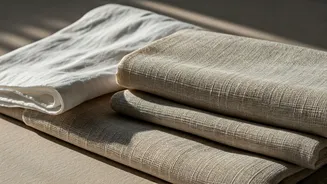
So, if not cotton, what should you wear? The key is to look for fabrics that are both breathable and quick-drying. Linen is an outstanding choice for humid weather. Its hollow fibres allow for maximum airflow and it wicks moisture away from the skin, drying much faster than cotton. Rayon (also known as viscose), made from natural cellulose like wood pulp, is another excellent option; it is extremely lightweight and soft, making it ideal for humid climates. Modern performance fabrics, often made from polyester blends, are specifically engineered to be moisture-wicking and are perfect for active days. They pull sweat away from the body, keeping you cool and fresh.
When You Can Still Wear Cotton
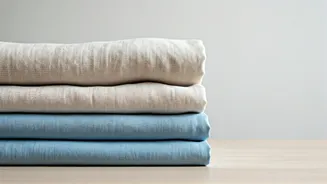
This doesn't mean you need to discard all your cotton clothes. The type of cotton and the situation matter. Very lightweight cottons like voile, mulmul, or muslin are still viable options because their open weave allows for better airflow. Cotton-linen blends can also offer a good compromise, combining the softness of cotton with the quick-drying properties of linen. Cotton remains perfectly suitable for short stints outdoors or if you'll be spending most of your day in an air-conditioned environment. The key is to avoid heavy, dense cotton fabrics when you know you'll be exposed to high heat and humidity for extended periods.