






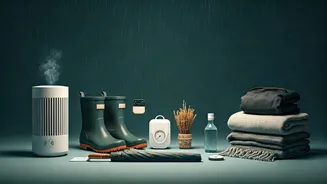



1. Boost Your Immunity
The monsoon season often brings a spike in viral fevers, colds, and flu. Your first line of defence is a strong immune system. Incorporate immunity-boosting foods into your diet. Think ginger, garlic, turmeric, and plenty of Vitamin C-rich fruits like
oranges and amla. A warm bowl of soup is not just comforting on a rainy day; it's also a great way to stay hydrated and nourished. Try to avoid raw vegetables and street food, which can be carriers of germs, especially during this season.
2. Prioritise Safe Drinking Water
Water-borne diseases like cholera, typhoid, and jaundice are rampant during the monsoon as rainwater can contaminate water sources. Ensure the water you drink is clean and safe. The most reliable method is to boil your drinking water for at least 10 minutes. If you use a water purifier, ensure it is serviced and functioning correctly before the rains begin. Avoid drinking water from any unverified source when you are outside.
3. Declare War on Mosquitoes
Rainy season is breeding season for mosquitoes, which means an increased risk of dengue, malaria, and chikungunya. Don't let stagnant water collect in or around your home. Regularly check flower pots, old tyres, air cooler trays, and any open containers. Use mosquito nets, repellents, and keep your doors and windows screened, especially during the evenings. Wearing long-sleeved clothing can also provide an extra layer of protection.
4. Inspect and Fortify Your Home
Before the downpour begins, do a thorough check of your home. Look for cracks in the walls, roof, and around window sills where water might seep in. Get any leaks repaired promptly to prevent dampness, mould growth, and structural damage. Also, ensure your drains and gutters are clean and unclogged to allow rainwater to flow away freely, preventing waterlogging around your property.
5. Keep Your Electronics Safe
Power fluctuations and short circuits are common during heavy rains and thunderstorms. Protect your expensive electronic devices by using a surge protector. Unplug appliances like TVs, computers, and Wi-Fi routers during a lightning storm. It’s also wise to check the wiring in your home for any exposed or faulty wires and get them fixed by a qualified electrician to prevent any electrical mishaps.
6. Master Monsoon Commuting
Driving or riding in the rain requires extra caution. Get your vehicle serviced—check the brakes, tyres, and wipers to ensure they are in good condition. Drive slowly and maintain a safe distance from the vehicle ahead, as braking distances increase on wet roads. Be wary of waterlogged streets; if you're unsure about the depth, it’s safer to find an alternative route. Pedestrians should be extra careful of slippery pavements and open manholes.
7. Choose Your Fabrics Wisely
Damp clothes are a hallmark of the monsoon, and they can lead to fungal infections. Opt for synthetic fabrics like nylon, polyester, and rayon that dry quickly. Avoid thick cottons and denims as they take a long time to dry and can feel heavy when wet. Lighter, brighter colours are also a good choice as they are more visible on gloomy, rainy days, adding a layer of safety when you're on the road.
8. Rethink Your Footwear
Your favourite leather shoes and the monsoon are not friends. Leather gets damaged by water and can become a breeding ground for fungi. Instead, choose rubber-soled, open footwear like floaters or Crocs that offer a good grip on slippery surfaces and dry out quickly. This helps prevent slips and falls, and also keeps your feet healthy by avoiding issues like athlete's foot.
9. Don't Forget Skincare
The high humidity during the monsoon can make your skin feel oily and sticky, leading to breakouts. At the same time, you can also experience fungal infections. Maintain a simple skincare routine. Use a gentle, soap-free cleanser to wash your face twice a day. Even though it's cloudy, don't skip the sunscreen. A light, non-comedogenic moisturiser will help keep your skin barrier healthy without clogging pores.
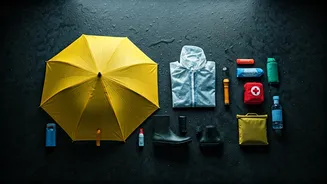
10. Assemble a Monsoon Emergency Kit
Power cuts and being stuck at home due to waterlogging are real possibilities. Prepare a small emergency kit with essentials. This should include a torch with extra batteries, a power bank for your phone, a first-aid kit with antiseptic lotions and bandages, some non-perishable snacks, and a supply of safe drinking water. Having this ready will give you peace of mind when the weather turns severe.