






From Postcards to Paychecks
The traditional approach to tourism, known as destination marketing, was primarily about increasing footfall. It focused on advertising picturesque locations to attract as many visitors as possible. Success was measured in tourist arrival numbers. The new
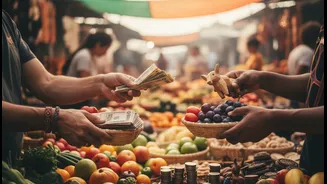
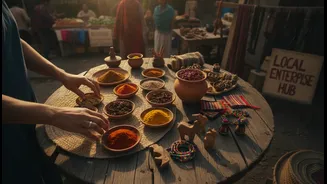
approach is fundamentally different. It prioritizes livelihood creation, which means ensuring that the economic benefits of tourism flow directly to local populations. This model is less about just bringing tourists in and more about building a resilient ecosystem where communities are direct stakeholders and beneficiaries. This involves empowering locals through skill development, supporting small businesses, and ensuring that tourism revenue stays within the community, fostering sustainable economic growth from the ground up.
Why the Shift in Strategy?
Several factors are driving this change. The post-pandemic landscape highlighted the vulnerability of an industry overly dependent on fluctuating tourist numbers. It sparked a realization that a more resilient model was needed. There's also a growing global demand from travelers for more authentic, responsible, and meaningful experiences. Tourists increasingly want to connect with local culture and feel that their travel is making a positive impact. Furthermore, this shift addresses the persistent challenges of over-tourism in popular spots by encouraging the development of lesser-known destinations, thereby distributing economic benefits more evenly across the country. Government officials have noted that to unlock the sector's full potential, the country must move beyond promotion to creating competitive destinations and meaningful visitor experiences.
A New Playbook: Government Initiatives
The Indian government is actively steering this transition with several key policies. The revamped Swadesh Darshan 2.0 scheme is a prime example, moving from theme-based circuits to a destination-centric approach that emphasizes sustainability and community involvement. Its stated objectives include enhancing tourism's contribution to local economies and creating jobs, including self-employment for local communities. This is complemented by the 'Travel for LiFE' (Lifestyle for Environment) program, launched under India's G20 presidency, which nudges both tourists and businesses to adopt sustainable practices. This initiative encourages travelers to empower local businesses, respect local culture, and conserve heritage, directly tying tourism to community well-being.
Livelihoods in Action
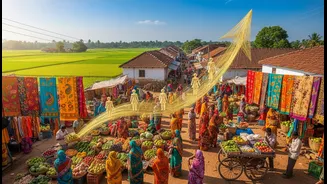
Across India, this new philosophy is taking concrete shape. In states like Sikkim, the promotion of homestay-based ecotourism has created thousands of jobs and reduced migration to urban centers. Community-led initiatives are also gaining traction. The "Women with Wheels" program, for instance, trains women as professional drivers for tourists, challenging gender norms and providing economic independence. Similarly, the development of tribal homestays under schemes like the Pradhan Mantri Janjatiya Unnat Gram Abhiyan provides direct financial support to build or renovate homes for tourist accommodation, weaving local communities into the tourism fabric. These are not isolated examples but part of a broader push to make local populations active participants rather than passive bystanders in the tourism economy.
Benefits for a More Sustainable Future
This evolution from marketing to livelihoods offers a win-win-win scenario. For local communities, it provides stable income, creates diverse employment opportunities, and helps preserve cultural traditions that might otherwise fade. For tourists, it offers a richer, more authentic travel experience, moving beyond superficial sightseeing to genuine cultural immersion. For India as a whole, it builds a more sustainable and resilient tourism sector. By distributing tourism's benefits, it reduces the pressure on overburdened destinations, promotes regional development, and ensures that the industry's growth is both inclusive and equitable. This approach is about creating value that lasts, long after a tourist's visit has ended.