





Mix Your Dals for Complete Protein
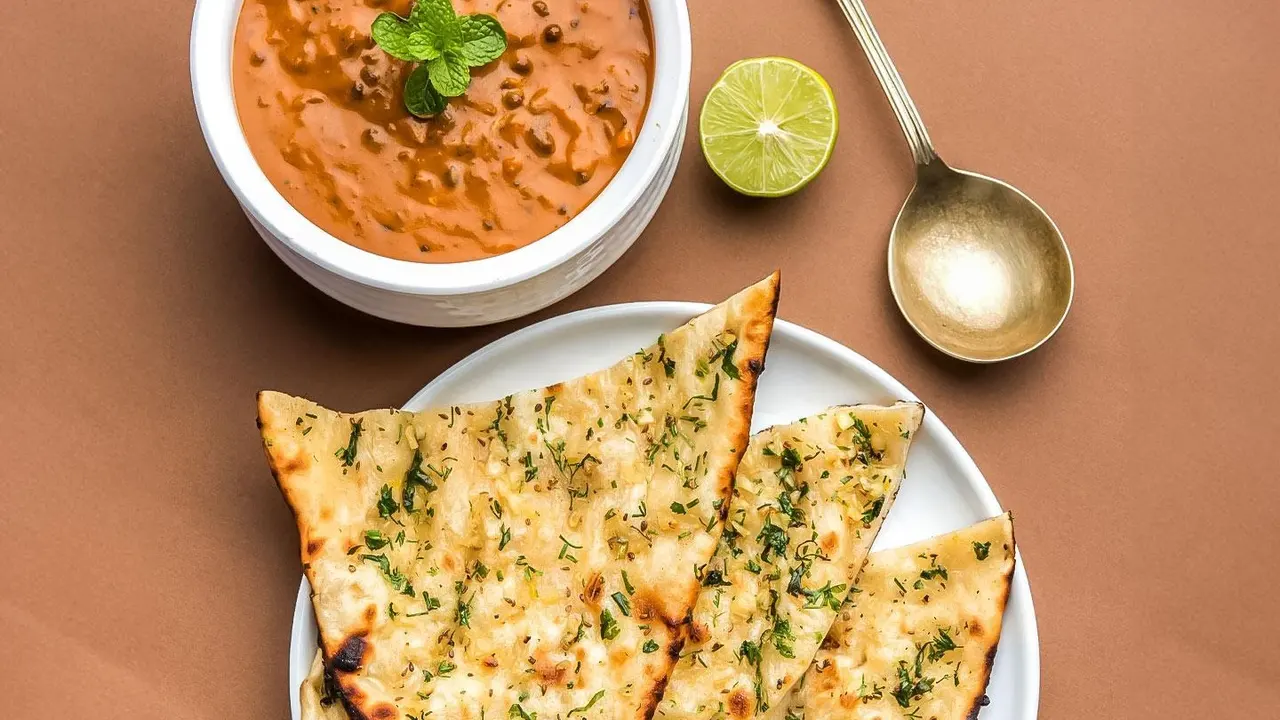
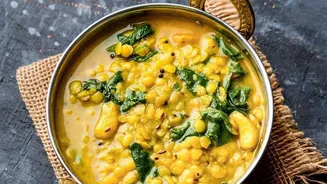
Instead of sticking to a single dal, try combining two or three types. For instance, mixing toor dal with moong or masoor dal doesn't just create a more complex flavour and texture; it also improves the protein quality. Different lentils have different
amino acid profiles, and combining them helps create a more complete protein source, which is especially beneficial for vegetarian diets. A combination like moong and masoor is light and cooks quickly, offering a balanced profile of protein and fibre. For a heartier meal, pairing chana dal with moong dal provides both substance and a softer consistency. This simple rotation ensures you get a wider array of nutrients like folate, iron, and fibre from your daily meal.
Power Up Your Tadka
The final tempering, or tadka, is more than just a flavour booster; it can be a nutritional powerhouse. Using healthy fats like ghee or coconut oil is a great start, as they help your body absorb fat-soluble vitamins. But the real magic is in the spices. Adding a pinch of black pepper along with turmeric dramatically increases the absorption of curcumin, turmeric's active anti-inflammatory compound. Similarly, spices like cumin and ginger stimulate digestive enzymes, helping your system absorb more nutrients from the entire meal. Adding asafoetida (hing) and ginger can also improve the digestibility of lentils, reducing bloating.
Incorporate a Seed Cycle
Seeds are tiny nutritional giants, packed with healthy fats, fibre, and minerals. You don't need special recipes to use them. Simply toast a mix of pumpkin, sesame, and flax seeds and store them in a jar. Sprinkle a tablespoon over your finished sabzi or dal just before serving. Pumpkin seeds add magnesium and zinc, while sesame seeds are a great source of calcium. Flaxseeds provide plant-based omega-3 fatty acids. This simple garnish adds a satisfying crunch and a significant nutrient boost with zero extra cooking time.
Secretly Add More Vegetables
Making your sabzi or dal more nutrient-dense can be as easy as grating a carrot, zucchini, or bottle gourd (lauki) directly into the pot while it cooks. The vegetables dissolve into the curry, thickening it naturally while adding fibre, vitamins, and minerals without significantly altering the original taste. This is an excellent trick for picky eaters and a simple way to increase your daily vegetable intake. You can also wilt a handful of fresh spinach or methi leaves into your dal at the very end of the cooking process. The residual heat will cook them perfectly, preserving their nutrients while adding iron and vitamins.
Finish with a Squeeze of Lemon
That final squeeze of lemon or a sprinkle of amchoor (dry mango powder) over your dal or a green sabzi does more than just brighten the flavour. The vitamin C in the lemon juice significantly enhances your body's ability to absorb iron from plant-based sources like lentils and leafy greens. Since many vegetarian diets can be low in easily absorbable iron, this simple habit is one of the most effective ways to boost your intake and fight fatigue. It’s a classic pairing where taste and nutrition work in perfect harmony.
Don't Forget the Nuts
Nuts can do more than just garnish biryanis and desserts. Adding a handful of crushed peanuts or cashews to a dry sabzi like beans or bhindi towards the end of cooking adds a wonderful texture and a boost of protein and healthy monounsaturated fats. For richer gravies, a paste made from a small amount of soaked almonds or cashews can provide a creamy consistency without having to rely entirely on heavy cream. This adds body, flavour, and valuable nutrients, making the dish more satisfying and balanced.