





The Rise of the Mindful Traveller
The era of cramming five cities into a seven-day holiday is fading. Today, especially for young professionals and Gen Z, travel is becoming an antidote to urban burnout. Recent reports show a significant shift towards slower, more immersive journeys that
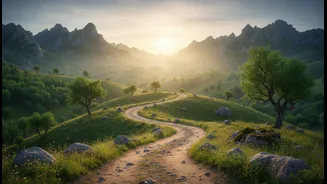
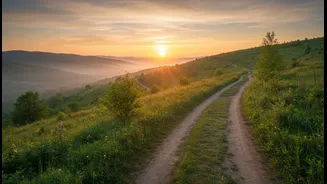
prioritise relaxation and authentic connection over a frantic pace. This philosophy, known as 'slow travel', encourages longer stays in fewer locations, allowing travellers to soak in the local culture, environment, and community. It’s a move away from simply seeing places to truly experiencing them. This trend is driven by a desire to disconnect from hectic digital lives and find more meaningful, restorative escapes. Instead of rushing between landmarks, the new itinerary involves lingering in a local cafe, learning a regional craft, or simply enjoying the scenery.
The Spiritual Corridor: Varanasi to Rishikesh
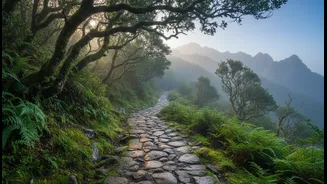
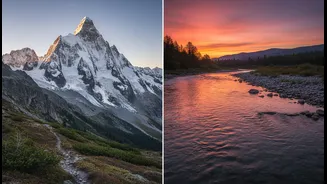
The route from Varanasi, the ancient city of light, to Rishikesh, the world's yoga capital, has long been a path for pilgrims. Now, young holidaymakers are reimagining this journey. This trail, which can include stops at other holy cities like Prayagraj and Haridwar, offers a unique blend of spirituality, culture, and natural beauty. It’s not just a physical journey between two points on a map, but a passage through the heart of India's spiritual landscape. Varanasi offers a deep, chaotic, and profound connection to ancient traditions on the banks of the Ganga, while Rishikesh provides a serene, Himalayan backdrop for introspection, yoga, and adventure. The journey between them, often undertaken by train or road, becomes part of the experience itself, filled with interactions and unplanned discoveries.
Monsoon's Unexpected Magic
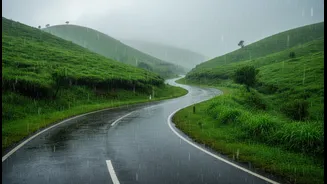
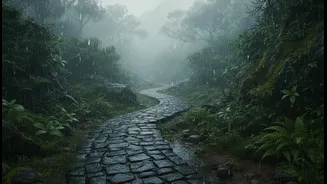
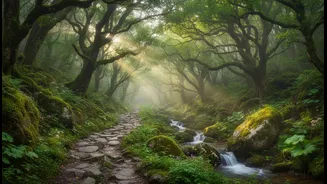
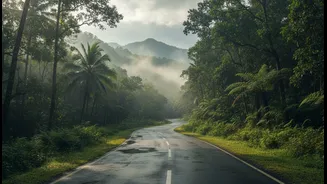
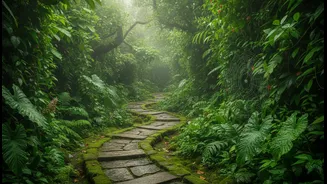
While monsoon is traditionally considered the off-season, slow travellers are discovering its unique charm. Recent travel data shows a sharp increase in interest for destinations in states like Uttarakhand during the rains. Rishikesh, in particular, has seen a dramatic spike in searches for monsoon travel, climbing to become one of the most sought-after domestic destinations. The appeal lies in the transformation of the landscape: the hills turn a vibrant, lush green, waterfalls that are dry for much of the year come to life, and the air is fresh and clean. The smaller crowds mean lower prices and a more peaceful atmosphere, allowing for a more personal experience. The rain often comes in bursts, leaving mornings and evenings clear for exploration, making it ideal for those who want to experience the region’s natural beauty at its most dramatic and serene.
Beyond Temples: An Itinerary of Experiences
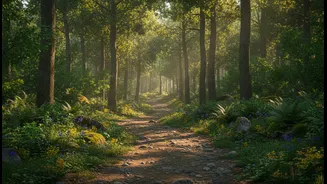
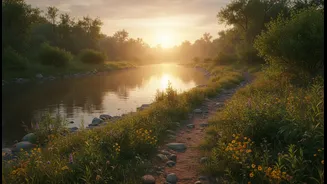
A slow-travel journey from Varanasi to Rishikesh is defined by experiences, not just sightseeing. In place of packed schedules, travellers are opting for longer stays in homestays or hostels that offer a glimpse into local life. Many of these accommodations, especially in and around Rishikesh, cater to 'workations' with reliable Wi-Fi, allowing digital nomads to blend work and travel. The itinerary might include learning to cook local Garhwali food, volunteering, participating in a yoga or meditation retreat, or simply spending afternoons reading by the river. In Rishikesh, adventure activities like rafting may be limited during peak monsoon, but the focus shifts to chasing waterfalls, embarking on gentle treks through lush forests, and exploring the town's famous cafes without the usual tourist rush.
A Deeper Connection Over Fleeting Clicks
Ultimately, the growing interest in this route reflects a broader cultural shift. Young Indians are increasingly seeking travel that offers more than just a perfect photo for social media; they want stories, connections, and personal growth. A recent survey found that 67% of Indian travellers are primarily motivated by relaxation, highlighting a move away from exhausting trips. The slow journey through India's spiritual heartland during the reflective monsoon season perfectly meets this need. It's a conscious choice to trade the pressure of a packed itinerary for the luxury of time, allowing for genuine discovery—of a place, its people, and oneself. It’s less about where you went and more about how the journey changed you.