




Understanding the Post-Meal Slump
We’ve all been there: you finish a satisfying lunch and, an hour later, you’re fighting to keep your eyes open. This energy dip is often caused by a blood glucose surge, followed by a crash. When you eat carbohydrates, your body breaks them down into
glucose, which enters your bloodstream. This causes your pancreas to release insulin, a hormone that helps your cells absorb the glucose for energy. However, eating a lot of refined carbs at once can flood your system with glucose, leading to a sharp spike and an equally sharp drop, leaving you feeling lethargic and hungry again soon after. Over time, these repeated spikes can pose challenges for your body's ability to manage blood sugar effectively.
The 'Fibre First' Strategy
This is where the 'fibre first' or 'meal sequencing' strategy comes in. It’s a simple yet powerful concept backed by a growing body of research: begin your meal by eating vegetables or other fibre-rich foods before you move on to proteins and carbohydrates. Think of fibre as a gatekeeper for your digestive system. When consumed first, it gets a head start, lining your gut and preparing to slow down what comes next. This doesn't mean you can't enjoy your rice, pasta, or potatoes; it just means you save them for last, giving your body a protective buffer first.
The Science of Slowing Down
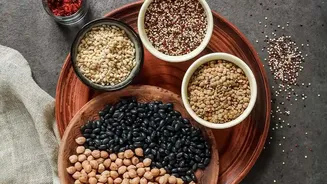
How exactly does this work? Soluble fibre, found in foods like beans, oats, and many vegetables, dissolves in water to form a thick, gel-like substance in your stomach. This viscous gel physically slows down digestion. It increases the time it takes for the stomach to empty its contents into the small intestine, where glucose is absorbed. Because the carbohydrates you eat later are mixed into this fibrous gel, they are broken down and absorbed more gradually. The result is a gentler, more controlled rise in blood sugar instead of a sudden, sharp spike. Studies have shown this effect is significant, leading to much lower post-meal blood sugar and insulin levels.
Putting It Into Practice: Easy Fibre Starters
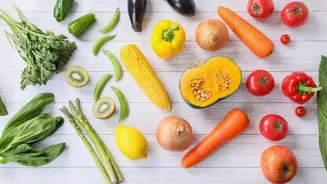
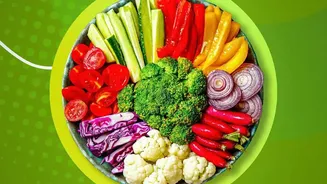
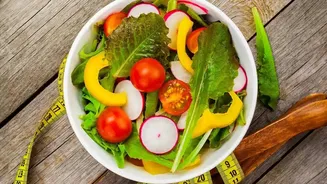
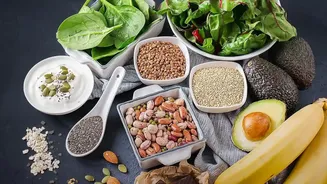
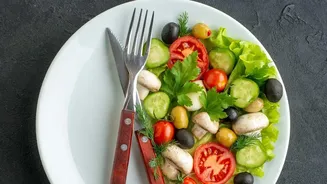
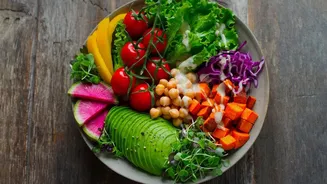
Incorporating fibre starters into your daily routine is easier than you might think. You don't need to prepare a separate, elaborate course. The goal is simply to kick off your meal with non-starchy vegetables or other high-fibre options. Some practical examples include: eating the vegetable stir-fry or sabzi on your plate before the rice or roti; starting with a simple green salad with a light vinaigrette; enjoying a bowl of clear vegetable soup; snacking on a handful of nuts or seeds about 15-20 minutes before your main meal. Even raw vegetable sticks like cucumber and carrots can work.
More Than Just Blood Sugar
The benefits of prioritising fibre extend well beyond blunting glucose spikes. Eating fibre-rich foods first can increase feelings of fullness, or satiety, which can help with weight management by preventing overeating. A high-fibre diet is also crucial for digestive health, promoting regular bowel movements and feeding the beneficial bacteria in your gut. Furthermore, consistently consuming adequate fibre is linked to a lower risk of long-term health issues, including heart disease, by helping to reduce cholesterol levels.