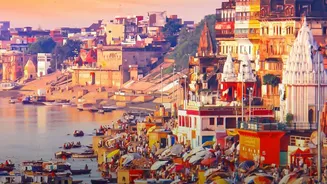


Every year, the ancient city of Ayodhya transforms into a realm of divine light. But its Deepotsav is more than just a festival; it has become a global travel phenomenon, drawing millions. So what elevated this event to a must-see spectacle?
A Spectacle of Light and Faith
At its heart,
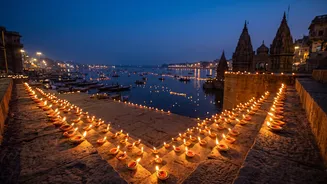
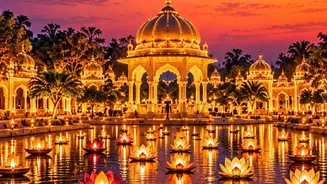
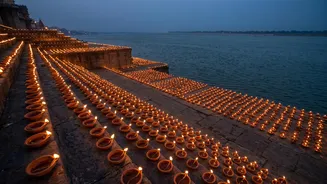
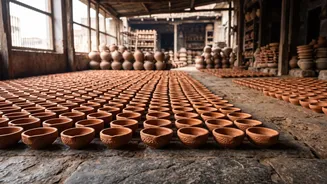
Deepotsav is a breathtaking display of devotion. It commemorates the triumphant return of Lord Ram to Ayodhya after 14 years of exile. The entire city, especially the banks of the sacred Saryu River, is illuminated with millions of earthen lamps, or 'diyas'. This act of lighting lamps symbolises the victory of light over darkness and good over evil. What started in 2017 as a state-organised festival has grown exponentially, consistently breaking its own Guinness World Record for the largest display of oil lamps. For the upcoming 10th edition on November 7, 2026, the city aims to light an astonishing 3.3 million diyas, creating a mesmerising river of gold that must be seen to be believed. Thousands of volunteers work meticulously to arrange and light the lamps, turning the riverfront ghats into a massive, glowing grid of faith and artistry.
The Spiritual Epicentre of a Nation
The significance of Deepotsav has been profoundly amplified by the inauguration of the Ram Janmabhoomi Mandir in January 2024. Ayodhya, as Lord Ram's birthplace, has always been a key pilgrimage site, but the temple has cemented its status as a spiritual epicentre, drawing unprecedented numbers of devotees. Deepotsav is a living recreation of the welcome Lord Ram received, and celebrating it in the presence of the new temple adds a powerful layer of emotional and spiritual resonance. The festival is no longer just a regional celebration; it is a national cultural event where people come to connect with the very soul of the Ramayana epic. This deep spiritual pull transforms a visit from mere sightseeing into a profound pilgrimage experience for millions.
More Than Just Lamps
While the diya lighting is the main event, Ayodhya's Deepotsav is a multi-day cultural extravaganza. The celebrations include grand 'Shobha Yatras' (processions) with elaborate tableaus depicting scenes from the Ramayana. International and national Ramlila troupes perform theatrical enactments of the epic, while the sky comes alive with high-tech displays. Visitors can witness a spectacular drone show, with over 2,000 drones creating Ramayana-themed formations, alongside 3D projection mapping and laser shows that narrate the ancient story in a modern format. The festival also features a grand Saryu Aarti, where thousands of priests perform the evening ritual in unison, creating a powerful spiritual atmosphere. These diverse events ensure there is something for everyone, from the deeply devout to the culturally curious.
Infrastructure Fuelling the Phenomenon
The meteoric rise of Deepotsav as a travel event would not be possible without massive infrastructural development. Ayodhya has undergone a multi-billion dollar makeover to transform it into a worldclass tourism hub. Key projects include the new Maharishi Valmiki International Airport, a modernized railway station capable of handling over 60,000 passengers daily, and a vastly improved network of highways and ring roads. This enhanced connectivity has made reaching Ayodhya easier and more convenient than ever before. Within the city, beautification projects, expanded ghats, better public utilities, and smart city initiatives like digital information systems and improved traffic management create a safer and more comfortable experience for the millions of visitors.
A Thriving Local Economy
The influx of tourists for Deepotsav and yearround pilgrimage has ignited Ayodhya's local economy. This tourism boom has led to a surge in demand for hotels, restaurants, and transport services. Major hotel chains have established a presence, and hundreds of new hotels and homestays have opened, creating numerous jobs. Local artisans and craftspeople have also benefited immensely, with a renewed demand for traditional handicrafts, religious souvenirs, and idols. The festival and the broader tourism it represents have catalyzed a cycle of investment and growth, transforming Ayodhya into a bustling economic hub while helping to preserve its rich cultural heritage.