





The Global Comes Home: Greek Yoghurt’s Rise
Not long ago, the only curd most Indians knew was the homemade dahi, a staple in countless households. Today, supermarket refrigerator aisles tell a different story. Greek yoghurt, with its thick texture and high-protein promise, has firmly established
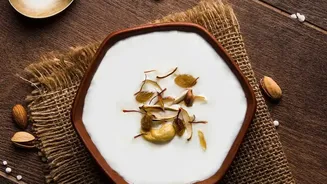
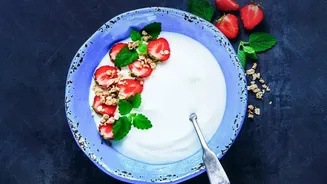
itself. Brands have successfully positioned it as a healthier, more premium alternative to traditional curd. The key difference lies in its preparation: Greek yoghurt is strained to remove liquid whey, which concentrates the protein—often doubling it—and reduces the sugar content. For a growing number of fitness-conscious urban consumers, this makes it an ideal post-workout snack or a guilt-free meal component. The Indian functional yoghurt market is projected to grow significantly, with Greek yoghurt being a popular segment driven by health-aware city dwellers. This adoption signifies a broader trend: a willingness to embrace global food products that align with modern wellness goals like weight management and muscle building.
The Local Gets a Makeover: Makhana’s Comeback
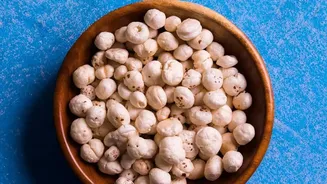
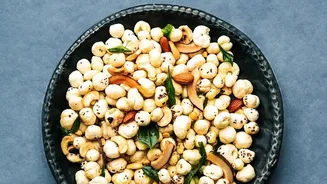
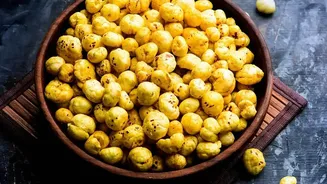
While Greek yoghurt represents an imported trend, makhana (or fox nuts) tells a story of rediscovery. For generations, these puffed lotus seeds were primarily consumed during religious fasts. Today, makhana has undergone a remarkable rebranding. It is now celebrated as a homegrown superfood—low in calories, gluten-free, and rich in protein and minerals. This transformation has propelled it from humble beginnings to a prime spot on gourmet snack shelves. The market is now flooded with flavoured makhana, from peri-peri to tandoori, catering to modern palates. This resurgence is not just a passing fad; the Indian makhana market is projected to reach nearly INR 12,000 crore by 2029-30, driven by strong domestic and export demand. The success of makhana shows a parallel trend: a renewed appreciation for traditional Indian ingredients, now repackaged for convenience and health.
The New Priorities: Health, Convenience, and Clicks
What is driving this dual embrace of the global and the local? The primary driver is a dramatic shift in urban lifestyles. Health and wellness are no longer niche concerns; they are mainstream priorities. Urban Indians are more aware of concepts like protein intake, gut health, and clean eating. This has led to a demand for foods that are not just tasty but also functional. At the same time, hectic schedules mean convenience is non-negotiable. Both Greek yoghurt tubs and ready-to-eat makhana packets fit perfectly into this on-the-go lifestyle. Furthermore, social media plays a huge role in shaping these trends. Food bloggers and health influencers have the power to turn a product into a must-have item. A visually appealing smoothie bowl with Greek yoghurt or a crunchy makhana snack becomes more than just food; it's a shareable lifestyle statement.
A 'Glocal' Palate for a New India
The presence of both Greek yoghurt and makhana in the urban pantry is not a contradiction. Instead, it reflects the sophisticated, 'glocal' identity of the modern Indian consumer. There is an aspiration to participate in global wellness conversations, which makes items like Greek yoghurt appealing. Simultaneously, there's a growing sense of pride in and a search for authenticity, leading to the revival of traditional foods like makhana. People are looking for the best of both worlds. They want the high-protein benefits touted by international fitness experts but are equally excited to find those benefits in a snack that is rooted in Indian heritage. This has spurred a quiet revolution in the food industry, with startups and legacy brands alike rushing to innovate and cater to this dual demand.