






The Great Indian Unwind
A significant shift is underway in how Indians approach their time off. The traditional checklist-driven holiday, packed with frantic sightseeing, is giving way to something slower and more intentional. Recent travel data reveals a clear trend: travellers
are prioritising mental peace and beautiful scenery. According to a 2026 travel trends report, a staggering 91% of Indian travellers want to explore places with natural beauty, while 87% are actively seeking trips that help them unwind mentally. This isn't just a fleeting preference; it’s a booming market. The wellness tourism sector in India was valued at approximately USD 19 billion in 2024 and is projected to grow significantly, reflecting a deep-seated desire for holidays that do more than just entertain—they heal.
From Burnout to Balance
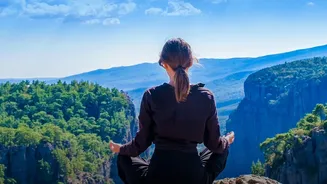
The primary driver behind this trend is the modern epidemic of burnout. Gruelling work cultures, endless digital connectivity, and the residual stress from the pandemic have left many feeling emotionally and physically drained. As a result, travel is no longer seen as a mere indulgence but as essential maintenance for mental well-being. People are actively seeking temporary exits from their hectic routines, not just for a change of scene, but for a chance to disconnect from digital noise and reconnect with themselves. This has fuelled a surge in demand for solo trips, digital detoxes, and spontaneous road trips, which offer autonomy and uninterrupted time for self-reflection. The holiday is becoming a form of therapy, a space to exhale and recover from the relentless pace of city life.
What 'Wellness' Really Means
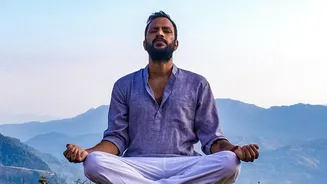
The concept of a wellness retreat has expanded far beyond just spas and massages. Today, it encompasses a diverse range of experiences designed to restore balance to the mind and body. In India, this is deeply rooted in ancient traditions. Travellers are exploring everything from authentic Ayurveda and Panchakarma programmes in Kerala to yoga and meditation in the Himalayan foothills of Rishikesh. The offerings are varied: silent retreats that enforce a digital detox, 'forest bathing' (shinrin-yoku) for a mindful connection with nature, and farm-to-table culinary experiences that focus on nourishment. This modern approach combines age-old wisdom with contemporary needs, providing structured paths to genuine rest and rejuvenation.
Redefining the Idea of Luxury
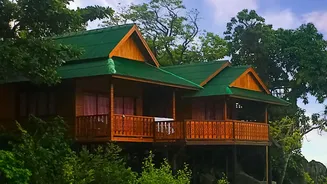
This shift is also reshaping the definition of luxury travel. For a growing number of discerning travellers, opulence is no longer about gold-plated taps and formal dining rooms. Instead, true luxury is found in exclusivity of experience: silence, privacy, and an unfiltered connection to the natural world. High-end resorts are now designed as tranquil hideaways that blend seamlessly with their surroundings, from estates in the Himalayas to serene backwater lodges in Kerala. The focus is on personalised care, whether it’s a bespoke Ayurvedic treatment plan or a guided nature walk. This new form of luxury caters to the desire for a pristine environment and the mental space to simply 'be', away from daily pressures and expectations.
Where Nature is the Main Attraction
Across India, several regions have become hotspots for this new wave of travel. The serene Himalayan landscapes of Uttarakhand and Himachal Pradesh are magnets for those seeking mountain air and spiritual solace. Tirthan Valley and Kanatal are prime examples of destinations where travellers can truly switch off. In the south, Kerala remains the epicentre of authentic Ayurveda, especially during the monsoon season when the climate is considered ideal for treatments. The coffee plantations of Chikmagalur in Karnataka offer a different kind of quiet, surrounded by lush greenery. Even less-crowded hill stations like Pachmarhi in Madhya Pradesh are gaining favour for their untouched forests and waterfalls, providing a perfect backdrop for escaping hyper-connectivity.