




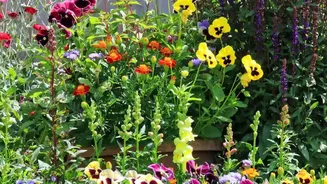
As temperatures drop, many gardens lose their lustre. But the cool season in India is a golden opportunity for a floral renaissance. Forget barren beds; winter is the perfect time for a spectacular array of flowers to thrive and transform your space.
Calendula: The Sunshine Flower
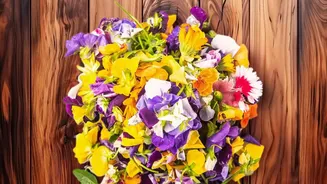
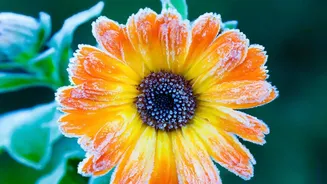
Often called Pot Marigold, Calendula is one of the most forgiving and rewarding winter flowers, perfect for beginners. Its cheerful, sun-like blossoms in vibrant shades of orange and yellow can brighten even the greyest of days. In most parts of India, the ideal time to sow seeds is from September to November. In the northern plains, planting in October and November yields blooms that last through spring. Calendula isn't fussy about soil but prefers a well-draining mix and a spot with full sun to light shade. Water when the top inch of soil feels dry, but avoid making it soggy. A major benefit of this plant is that its petals are edible and have been used in remedies for their soothing properties. Regularly removing old flowers, a practice known as deadheading, will encourage the plant to produce a continuous supply of blooms for weeks.
Snapdragon: The Dragon's Spire
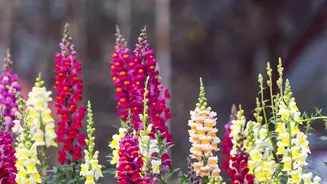
Snapdragons, or Antirrhinum, get their name from the unique shape of their flowers, which resemble a dragon's snout and can even be made to 'snap' open and shut. These elegant, upright spikes add height and structure to garden beds and make for excellent cut flowers. The prime sowing season in the Indian plains is September and October. They thrive in the cool weather of the North Indian winter, where the cold can even intensify their colours. Snapdragons require at least six to eight hours of full sunlight for maximum flowering and well-draining, rich soil. While they need consistent moisture, overwatering should be avoided as it can lead to root rot and fungal issues like rust. Taller varieties may need staking to prevent them from bending over. Pinching the tops of young plants when they are about six inches tall will encourage them to grow bushier and produce more flower spikes.
Dianthus: The Divine Flower
Known as 'divine flowers', Dianthus includes popular varieties like Carnations and Sweet William. They are cherished for their frilly, often fragrant petals that carry a spicy, clove-like scent. Dianthus comes in a stunning range of colours, from pure white and soft pinks to deep reds and purples. For most of India, the best time to plant is from October to December. These plants love the sun, needing at least four to six hours of direct sunlight each day to bloom profusely. They prefer well-drained soil that is neutral to slightly alkaline. Dianthus plants are relatively low-maintenance and don't require a lot of water; it's best to let the soil dry out slightly between waterings. Regular deadheading of spent blooms is key to encouraging a long flowering season. Their neat, often blue-green foliage also makes them an attractive ground cover even when not in bloom.
Other Winter Wonders
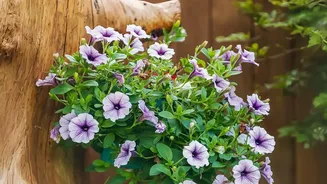
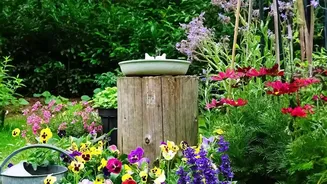
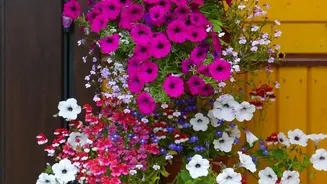
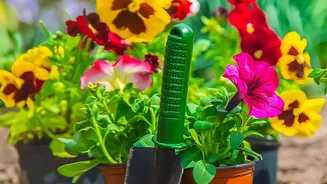
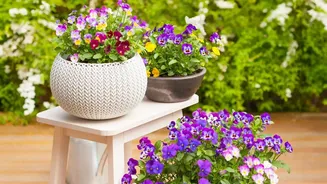
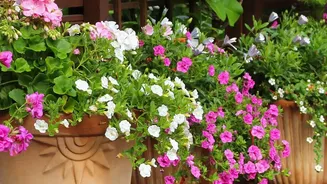
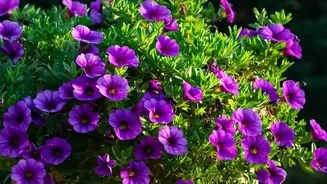
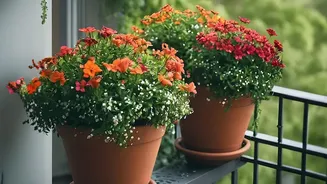
Beyond the headline stars, India's winter climate is perfect for a host of other beautiful flowers. Petunias are winter garden superstars, available in a vast range of colours and perfect for pots and hanging baskets. Pansies, with their charming, face-like markings, thrive in the cool, foggy weather of North India and are excellent for borders. Chrysanthemums, or Guldaudi, are a classic choice, celebrated as the 'Queen of Winter Flowers' in India for their diverse and stunning blooms. For those seeking hardy and easy-to-grow options, Marigolds (Genda) are a quintessential part of Indian gardens, blooming profusely with minimal care. Most of these winter annuals can be sown between September and November, promising a vibrant garden that lasts until the summer heat returns.