


Why the Monsoon Messes with Your Gut
The rainy season creates a perfect storm for digestive issues. The high humidity in the air can slow down our metabolism and weaken our digestive fire, or 'Agni' as it's known in Ayurveda. This makes the stomach more sensitive and prone to issues like
bloating, acidity, and indigestion. Furthermore, the damp environment is an ideal breeding ground for bacteria and other microbes, increasing the risk of contamination in water and food. This is why illnesses like gastroenteritis, food poisoning, and other stomach infections become more common during this time. Opting for street food, which is often prepared in less-than-hygienic conditions, further elevates this risk.
The Science of Fermentation to the Rescue
Fermentation is a natural process where microorganisms like bacteria and yeast break down the components in food. This process does two wonderful things for our digestion. First, it pre-digests the food, breaking down complex carbohydrates and proteins into simpler forms that our bodies can absorb more easily. Second, it creates a wealth of probiotics—the beneficial live bacteria that are essential for a healthy gut. These good bacteria help balance our gut microbiome, which is our body's first line of defence against harmful pathogens that are more prevalent during the monsoon. A strong gut microbiome aids overall digestion, boosts immunity, and helps prevent infections.
Dahi and Buttermilk: The Probiotic Powerhouses
Dahi, or curd, is a staple in most Indian households and an excellent source of natural probiotics like Lactobacillus. It helps soothe the digestive tract, can prevent bloating, and restores a healthy balance of gut flora. For those who find dahi a bit heavy during the monsoon, its lighter cousin, chaas (buttermilk), is an even better option. Buttermilk is hydrating and soothing, and when seasoned with digestive spices like roasted cumin, it becomes a powerful digestive aid. While Ayurveda sometimes cautions against excessive curd intake during this season, buttermilk is widely recommended.
Idli, Dosa, and Dhokla: Fermented Grain Goodness
South Indian staples like idli and dosa, and the Gujarati favourite dhokla, are prime examples of how fermentation makes grains gentle on the stomach. The batter for these dishes is made by fermenting rice and lentils, a process that not only creates their signature light and fluffy texture but also makes them incredibly easy to digest. The fermentation breaks down complex nutrients and even reduces anti-nutrients like phytic acid, which can interfere with mineral absorption. This enhanced nutrient bioavailability means you get more goodness from your meal with less digestive effort, making them a perfect choice for a monsoon breakfast or a light dinner.
Pickles and Kanji: Traditional Gut Boosters
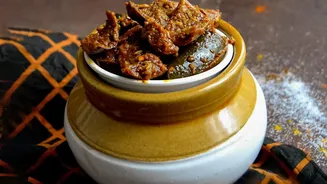
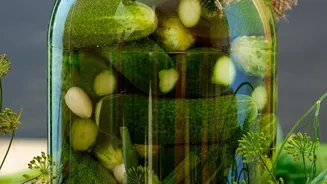
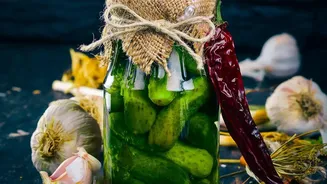
Beyond the more common staples, our culinary heritage includes other fermented gems. Traditionally made achaar (pickles), which are fermented naturally in salt and spices without vinegar, can be a good source of probiotics. However, due to their high salt content, they should be consumed in moderation. Another fantastic option is Kanji, a tangy North Indian drink typically made by fermenting black carrots or beetroot. It is a flavourful, probiotic-rich beverage that acts as a gut cleanser and aids digestion. These traditional preparations are a testament to the age-old wisdom embedded in our food culture, offering both taste and health benefits.