




It’s a familiar story: you reach for an onion only to find it has turned into a soft, sprouted mess. This common kitchen frustration can be easily avoided with a simple tool: the breathable mesh bag. Here's how to make it work for you.
The Science of Spoilage
To understand why
mesh bags are so effective, you first have to know your enemy: moisture. Onions go bad primarily because of excess humidity and a lack of air circulation. When trapped in a plastic bag or a stuffy container, moisture builds up, creating a perfect environment for mold and rot to develop. Furthermore, light and warmth can trick an onion into thinking it’s springtime, causing it to sprout. The goal of proper storage is to keep the onion dormant by providing a cool, dark, and, most importantly, dry environment.
Why Mesh Bags Are the Answer
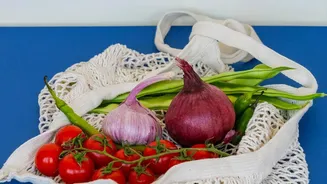
A breathable mesh bag tackles the storage problem head-on by maximizing air circulation. The open-weave design allows air to flow freely around each onion, wicking away the moisture that leads to decay. This 360-degree ventilation is something that plastic bags, closed bins, and even paper bags can’t fully replicate. Hanging the bag also prevents the onions from resting against a solid surface, which can trap moisture and create pressure spots. By keeping the onions consistently dry and well-ventilated, you dramatically slow down the processes of rot and sprouting.
A Step-by-Step Storage Guide
Using mesh bags is simple, but a few key steps will ensure the best results. First, select the right onions. Start with bulbs that are firm, heavy for their size, and have dry, papery skins. Avoid any with soft spots, visible mold, or green sprouts. Before bagging, brush off any loose dirt, but do not wash them—adding water is counterproductive. Fill the mesh bag, but don't overpack it; the onions should sit loosely to allow for airflow. Finally, hang the bag or place it in a suitable location.
Finding the Perfect Storage Spot
The mantra for onion storage is 'cool, dark, and dry'. A pantry, cellar, or even a garage can be an ideal spot, as long as the temperature remains relatively stable, ideally between 45–55°F. Sunlight is a major trigger for sprouting, so a dark corner is always best. Crucially, never store your onions in the refrigerator. The cold, humid environment of a fridge will turn their starches to sugar and make them soft and mushy much faster. Whole, unpeeled onions belong in the pantry, while peeled or cut onions should be refrigerated in an airtight container.
The One Vegetable to Keep Away
There's one rule every home cook should know: never store onions and potatoes together. While they may be friends in a recipe, they are enemies in the pantry. Onions release ethylene gas, which accelerates ripening and causes potatoes to sprout and spoil prematurely. Conversely, potatoes have a high moisture content, which can cause onions to become soft and rot. Keeping them in separate, well-ventilated areas, even just a few feet apart, is essential for maximizing the shelf life of both staples.