



Why Your Gut Is Vulnerable During Monsoon
The rainy season creates a perfect storm for digestive issues. The high humidity can slow down our digestive fire, or 'Agni' as it's known in Ayurveda. Scientifically, this translates to a reduced metabolic rate and potentially less efficient enzyme activity
in the gut, leading to feelings of bloating, gas, and heaviness after meals. Furthermore, the damp environment is an ideal breeding ground for bacteria, viruses, and other pathogens. Contamination of food and water sources becomes more common, increasing the risk of stomach infections, diarrhoea, and other gastrointestinal problems. This combination of a sluggish internal system and heightened external threats makes our gut particularly sensitive during these months.
Fermented Foods: Your Gut's Rainy-Day Allies
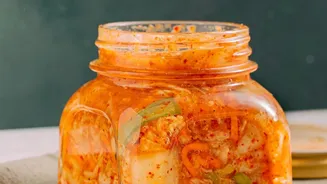
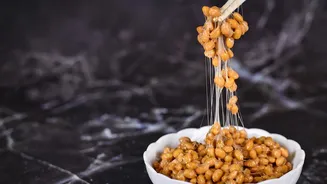
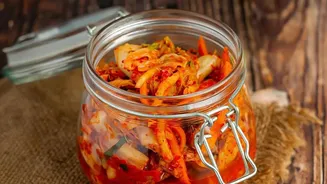
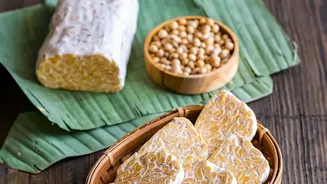
This is where fermented foods come in as a powerful, natural solution. Fermentation is a traditional process where beneficial microorganisms like bacteria and yeast break down components in food. This process creates probiotics—live, friendly bacteria that help restore and maintain a healthy balance in your gut microbiome. A balanced gut is crucial for proper digestion, nutrient absorption, and a strong immune system. By introducing these beneficial microbes, fermented foods can help counter the negative effects of the monsoon, strengthening your gut's defences against harmful pathogens and improving overall digestive function.
India's Best Fermented Foods for the Season
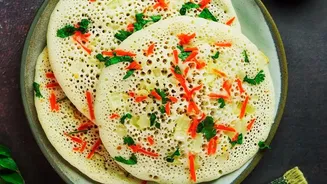
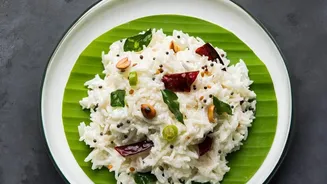
Indian cuisine is rich with fermented foods that are perfect for monsoon wellness. Dahi (curd) and Chaas (buttermilk) are perhaps the most common and accessible sources of probiotics, known for aiding digestion. Freshly made Dahi is packed with beneficial bacteria like Lactobacillus. Buttermilk is even lighter and easier to digest, making it an excellent choice for the humid weather. South Indian staples like Idli and Dosa, made from fermented rice and lentil batter, are not only delicious but also easy on the stomach as the fermentation process breaks down complex starches. Dhokla, a steamed and fermented snack from Gujarat, offers similar digestive benefits. For a powerful probiotic boost, consider Kanji, a traditional North Indian drink made from fermented black carrots, which is rich in antioxidants.
A Note on Safe Consumption
While fermented foods are beneficial, caution is key during the monsoon. The humid climate can cause batters and other preparations to spoil or over-ferment quickly. It's crucial to consume fermented foods that are fresh. For items like idli or dosa batter, it's best to prepare it fresh and use it the same day rather than storing it for long periods. Some Ayurvedic principles suggest that cold, fermented items like curd can sometimes aggravate mucus production during this season, so it is often recommended to consume it during the day and perhaps with a pinch of warming spices like black pepper. Opting for steamed or cooked fermented foods, like idli and dhokla, is generally considered a safer bet than consuming raw or cold items if you have a sensitive system.
Don't Forget the Prebiotics
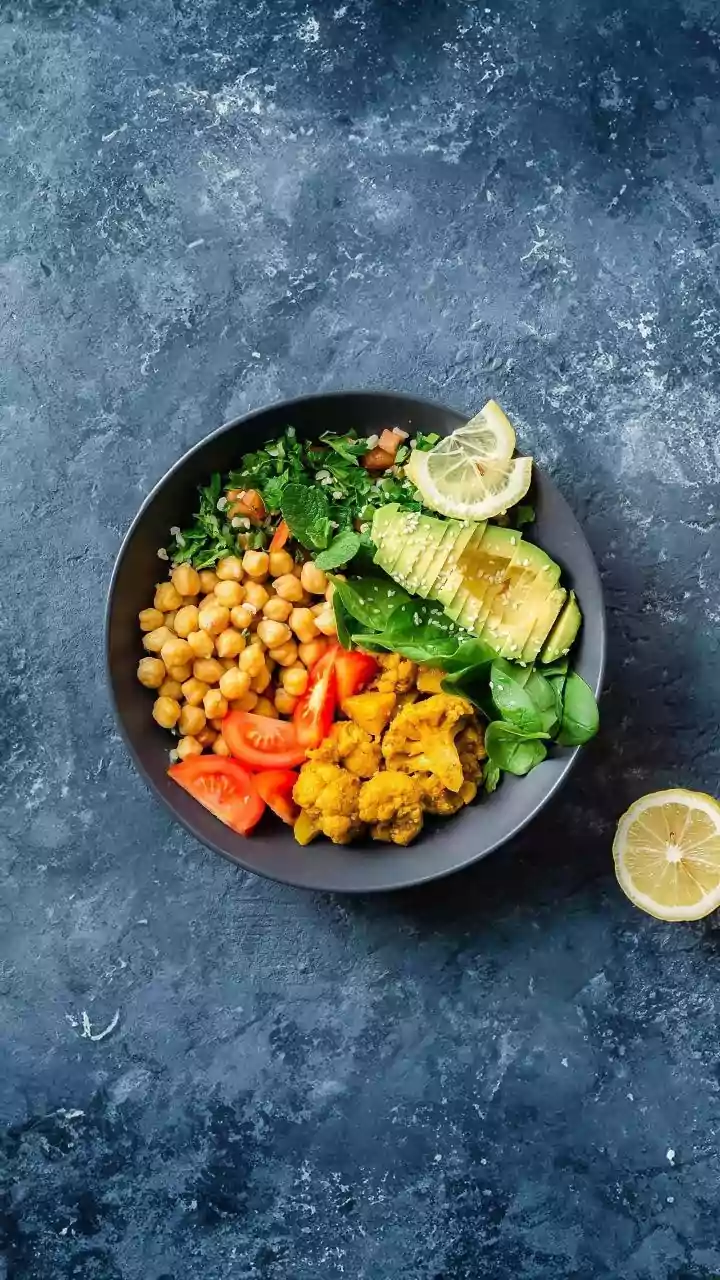
To make your probiotic intake truly effective, you need to feed those good bacteria. This is where prebiotics come in. Prebiotics are types of dietary fibre that act as food for the friendly bacteria in your gut. They work together with probiotics to create a thriving gut microbiome. You don't need special supplements to get them; they are found in common kitchen ingredients like garlic, onions, bananas, and whole grains like oats. By including both probiotic-rich fermented foods and prebiotic-rich ingredients in your monsoon diet, you provide a comprehensive support system for your digestive health.